2026 Best Hypodermic Needle Buying Guide for Global Traders?
The market for Hypodermic Needles is evolving rapidly. According to a recent report by Grand View Research, the global hypodermic needle market is projected to reach over $5 billion by 2026. The demand for these medical devices is soaring due to the increase in chronic diseases and vaccination drives worldwide. Dr. Emily Watson, a leading expert in medical device innovation, emphasizes, "Quality hypodermic needles are key to improving patient care and outcomes."
However, with advancements come challenges. Ensuring safety and efficacy in hypodermic needle manufacturing is crucial. Reports indicate that improper use or low-quality products can lead to complications. Key factors to consider include needle size, bevel design, and materials used. These elements directly affect patient comfort and the effectiveness of drug delivery. It's essential for traders to prioritize sourcing from reputable suppliers who adhere to strict quality standards.
Navigating the variety in the hypodermic needle market can be daunting. Traders must balance cost with quality. Additionally, understanding market regulations is vital to maintaining compliance. This complexity requires careful reflection and continuous education. Selecting the right hypodermic needle is not just about features; it’s about responsible trading that prioritizes patient safety.
Essential Factors to Consider When Buying Hypodermic Needles
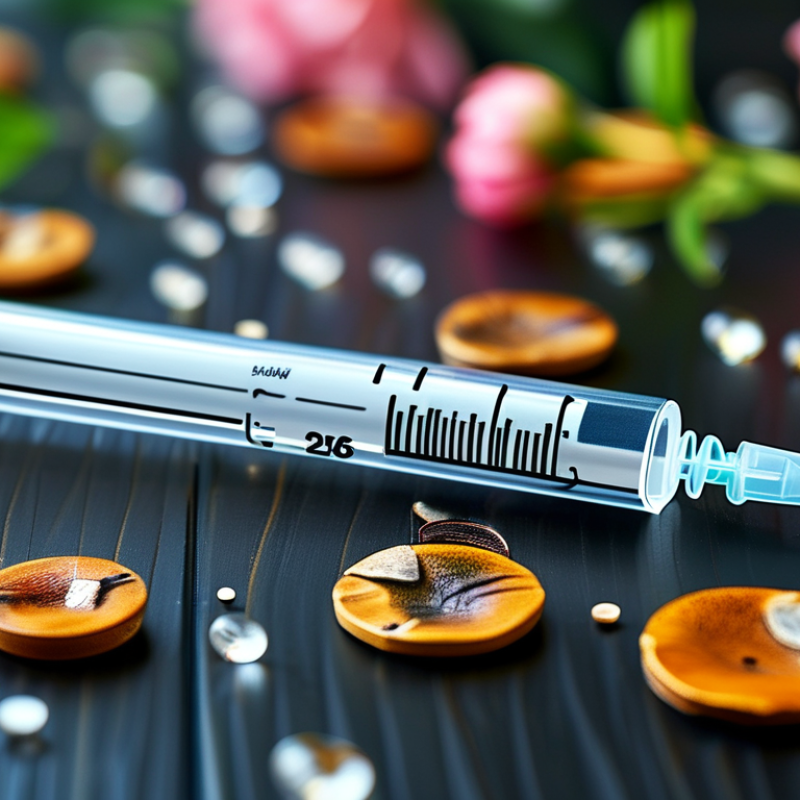
When purchasing hypodermic needles, several factors are critical to consider. The gauge size is one of the most important aspects. A smaller gauge number indicates a thicker needle. Thicker needles are suitable for certain formulations, while thinner needles are ideal for smaller doses. The choice often depends on the intended use. Pay attention to what specific applications require different thicknesses.
Another essential factor is the needle length. Common lengths range from 0.5 inches to 2 inches. Longer needles may be necessary for deeper injections, while shorter needles work for surface vaccinations or short injections. Always ensure you have the correct length for your specific needs.
Quality and sterilization are also vital. Needles should be sterilized to prevent infections. Look for products with clear packaging that indicates they meet safety standards. Yet, be wary of overly cheap options. They often compromise quality for price. Researching different suppliers might lead to better insights. Balancing cost and quality is key to making a wise purchase. Hypodermic needles are simple tools, but they require careful consideration before buying.
Hypodermic Needle Types and Their Popularity in 2023
Types of Hypodermic Needles and Their Specific Uses
When selecting hypodermic needles, understanding their types is crucial. Different needles serve distinct purposes in healthcare and other fields. For instance, standard needles are commonly used for vaccinations and blood draws. Their gauge size affects the diameter, influencing comfort and efficiency during use.
Butterfly needles, or winged infusion sets, are designed for easy maneuverability. They are ideal for patients with small veins, allowing for greater precision during blood collection. Meanwhile, safety needles offer an added layer of protection against injuries. Their design automatically retracts after use, reducing the risk of accidental needle sticks.
Luer lock needles are another essential type. They provide a secure connection to syringes, minimizing leaks and ensuring accurate dosing. Choosing the right needle requires consideration of the application, patient comfort, and safety protocols. However, not all practitioners are aware of these details. A deeper understanding can enhance patient care and safety during procedures.
2026 Best Hypodermic Needle Buying Guide for Global Traders
| Needle Type | Gauge Size | Length (inches) | Common Uses |
| Standard Hypodermic Needle | 18 | 1.5 | Blood donation, large volume injections |
| Insulin Needle | 29 | 0.5 | Insulin delivery for diabetes management |
| Safety Hypodermic Needle | 23 | 1 | Vaccinations, safe handling after use |
| Spinal Needle | 22 | 3.5 | Spinal anesthesia, lumbar puncture |
| Butterfly Needle | 21 | 1 | Venipuncture, children’s blood draws |
| Intravenous Catheter | 20 | 2 | IV fluid administration, blood transfusions |
Quality Standards and Certifications for Hypodermic Needles
When selecting hypodermic needles, quality standards are crucial. Various certifications exist globally to ensure safety and efficacy. Needles must meet specific requirements, including ISO standards and FDA regulations. These guarantees allow traders to make informed purchases.
Tips: Check for specific certifications. Look for ISO 13485 for medical devices. This ensures that the manufacturer follows strict quality management systems. A valid CE mark also indicates compliance with European health safety standards.
Understanding these quality measures protects end-users. Low-quality needles can lead to complications. Pay attention to materials used in needle manufacture. They should be safe and biocompatible. Consider sourcing from trusted suppliers who prioritize quality assurance.
Improvement in sourcing processes is necessary. Some traders overlook key certifications. This can lead to serious issues down the line. Always verify documents provided by manufacturers. This minimizes risks associated with subpar products.
Cost Analysis: Comparing Prices from Global Suppliers
When comparing prices for hypodermic needles from global suppliers, various factors come into play. Price variations can stem from production costs, shipping fees, and local regulations. Different regions may offer different pricing structures based on local market demands. Understanding these elements is crucial for making informed purchasing decisions.
Many suppliers offer bulk purchasing options. This can significantly reduce the cost per unit. However, the trade-off might be the need to maintain large inventories. Small orders typically have higher per-unit costs. Evaluating your needs can help you determine the best purchasing strategy.
Quality must accompany cost efficiency. Price shouldn't be the only consideration. Substandard needles can lead to serious complications. Therefore, scrutinizing supplier reliability is essential. Reviews and testimonials can offer insights into product performance. Balancing cost with quality ensures better health outcomes in the long run.
Trends in Hypodermic Needle Technology and Innovations
The landscape of hypodermic needle technology is evolving rapidly. Innovations are emerging due to increasing healthcare demands. A recent report from Markets and Markets projected the hypodermic needle market to reach $5.77 billion by 2026. Advances in safety features and materials are transforming product design to enhance user confidence and patient safety.
One noteworthy trend is the rise of safety-engineered needles. These devices are designed to prevent needlestick injuries. Data from the World Health Organization indicates that needlestick injuries account for a significant percentage of infections in healthcare settings. Compliance with safety regulations is becoming not just necessary but expected. This shift shows a commitment to worker health and patient care.
However, challenges remain. Not all healthcare providers have adopted these innovations. Barriers include cost, training, and awareness. Additionally, while safety features improve, they can complicate the manufacturing process. The industry must balance advanced technology with practicality. Continuous improvement and feedback are essential as the sector evolves.