2026 Top Clear Self Ligating Braces Suppliers?
Choosing reliable Clear Self Ligating Braces suppliers in 2026 requires more than comparing product photos or advertised prices. Orthodontic clinics need consistent bracket quality, accurate prescriptions, dependable archwire compatibility, and responsive technical support. A bracket may look polished online, yet its clip can feel stiff during chairside placement. Small details matter.
Dr. Dwight Damon, the orthodontist associated with the Damon System, said, “Treat the face, not just the teeth.” This principle remains relevant when evaluating modern self-ligating systems. Suppliers should explain how their brackets support treatment planning, torque control, comfort, and efficient clinical handling. Strong suppliers also provide transparent specifications, usage instructions, batch traceability, and professional training. Certifications matter, but they should be checked against current regional requirements. Marketing language alone is not enough.
This guide examines leading Clear Self Ligating Braces suppliers through practical and evidence-informed criteria. It considers manufacturing experience, material consistency, product range, delivery reliability, customization, and after-sales service. It also highlights whether suppliers support orthodontists with case guidance rather than simply shipping boxes. That difference can affect daily workflow.
No supplier is perfect. Some companies offer excellent innovation but limited local support. Others provide stable products with slower customization. Buyers should compare clinical needs, supplier documentation, and patient expectations carefully. A useful shortlist begins with verifiable information, not impressive claims. Real-world feedback from orthodontic teams can reveal problems that product brochures never mention.
What Are Clear Self-Ligating Braces and How Do They Work?
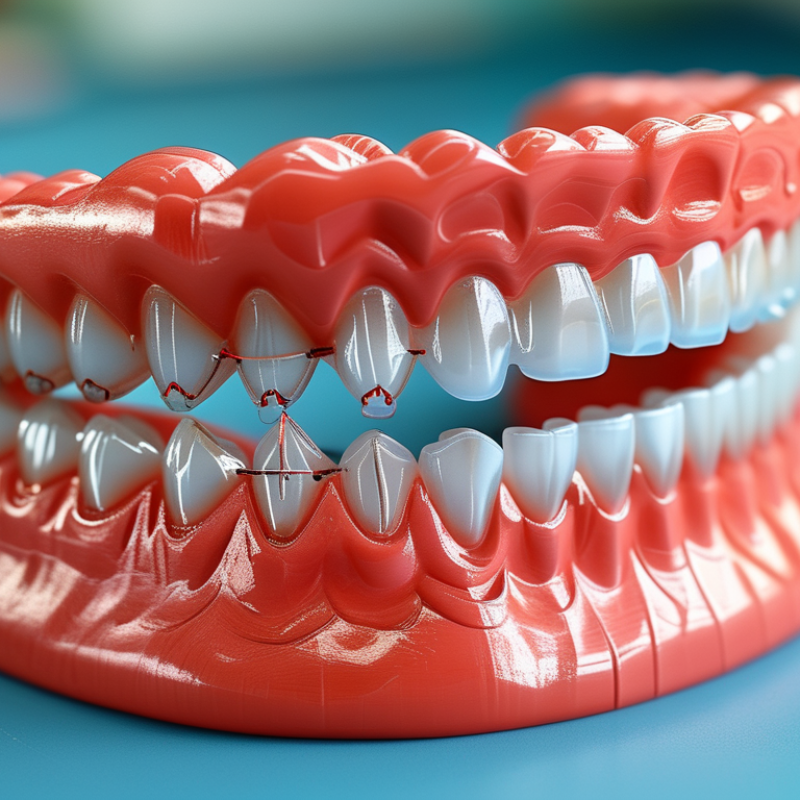
Clear self-ligating braces use tooth-colored ceramic brackets with built-in clips or sliding doors. These parts hold the archwire without traditional elastic ties. The difference is visible.
An orthodontist places the brackets on each tooth and guides a shaped wire through their slots. The wire creates gentle, measured pressure. That pressure encourages the periodontal ligament and surrounding bone to remodel over time. As teeth shift, the clinician replaces or adjusts the wire during scheduled visits. The clip mainly secures the wire. It does not move teeth by itself.
Many patients choose this system because it looks less noticeable than metal braces. The surface can feel smooth, although ceramic brackets may still irritate the cheeks during the first weeks. Clear materials can also show discoloration from some foods or poor cleaning. Self-ligating does not automatically mean faster treatment. Treatment length depends on crowding, bite problems, bone support, and patient cooperation.
A reliable supplier should provide material specifications, batch traceability, clinical instructions, and documented quality controls. Orthodontic professionals should also check bracket strength and clip performance before recommending a system. Small differences matter. In practice, a well-planned treatment with dependable components is more important than attractive packaging or aggressive time promises. I would question any supplier claiming identical results for every patient. Teeth and biology rarely follow perfect schedules.
Key Features to Compare Among Clear Braces Suppliers
When comparing clear self-ligating braces suppliers, examine more than appearance. Ceramic brackets should provide stable translucency, smooth edges, and reliable bonding strength. The clip must open repeatedly without distortion. Ask for test results covering torque expression, slot accuracy, discoloration, and breakage. ISO 27020:2023 outlines requirements for orthodontic brackets, including dimensions and performance. Suppliers should provide traceable compliance records, not vague marketing claims.
Market demand also affects supplier quality. Fortune Business Insights valued the global clear aligner market at approximately USD 4.2 billion in 2023, with strong growth expected through 2032. This does not measure ceramic braces directly. However, it shows rising patient demand for discreet orthodontic treatment. Compare production capacity, lot consistency, delivery history, and technical support. A low quoted price may hide inconsistent slots or weak after-sales service. That assumption needs testing.
Tips: Request samples from three production batches. Inspect clip movement with magnification. Review sterilization guidance, shelf-life data, and clinical training materials. Ask whether replacement brackets are available quickly. Check how suppliers handle complaints and product recalls. Clinical feedback matters, but it can be uneven. Use documented evidence alongside orthodontists’ hands-on experience. No supplier is perfect.
Leading Clear Self-Ligating Braces Suppliers in 2026
Leading clear self-ligating braces suppliers in 2026 should offer more than attractive brackets. Clinical consistency matters.
Grand View Research projects strong growth in the global orthodontic supplies market through 2030, with annual growth near 8%. This expansion increases supplier competition. It also makes verification essential. Buyers should examine slot precision, clip durability, surface finish, and resistance to discoloration. These details affect chairside handling and patient comfort.
The World Health Organization reports that oral diseases affect nearly 3.5 billion people worldwide. However, that figure does not measure orthodontic demand directly. It shows the broader pressure on accessible dental care. Suppliers with reliable regional distribution, stable production capacity, and responsive technical support may serve clinics better. Ask for batch traceability and documented biocompatibility testing. ISO 13485-aligned quality systems are also useful evidence, not automatic proof of clinical superiority.
Clinical evidence remains uneven. Some supplier claims rely on laboratory testing rather than long-term patient outcomes. That distinction deserves attention. Independent studies should describe sample size, treatment duration, and comparison methods. Packaging should protect the brackets from moisture, dust, and crushing during transport. Clear materials can reveal defects quickly. That is helpful.
The strongest suppliers combine transparent documentation with practical orthodontic experience. Price alone is a weak filter. A lower unit cost may create higher replacement and adjustment costs later. Data helps, but clinicians still need hands-on evaluation before wider adoption.
Quality, Certification, and Manufacturing Standards to Check
When choosing clear self-ligating braces suppliers for 2026, certification must match the product’s real risk. The WHO Global Oral Health Status Report 2022 estimates that 2.5 billion people have untreated caries in permanent teeth. That scale demands dependable orthodontic materials, not attractive catalogs.
Check whether the supplier operates under ISO 13485, with a certificate covering ceramic brackets and related components. A certificate logo is not enough. Request the audit scope, certificate validity, and recent surveillance records. ISO 10993 test evidence should support biocompatibility claims. ISO 14971 records should show how risks are identified and controlled. For the U.S. market, FDA registration does not equal product approval. That distinction is often misunderstood.
Manufacturing evidence matters more than polished photographs. Ask for batch traceability, incoming material checks, dimensional reports, closure-force testing, and surface-finish inspections. Clear brackets should show consistent color, smooth edges, and secure clips under magnification. Packaging and shelf-life studies also deserve review. Grand View Research’s 2024 orthodontic supplies analysis forecasts roughly 9% annual market growth through 2030, but rapid expansion can pressure quality systems. I would audit production records, not trust growth claims. A factory tour helps. It proves little alone. Complaints, corrective actions, and rejected-batch data may reveal the supplier’s real discipline.
How to Choose the Right Supplier for Your Orthodontic Practice
Choosing the Right Clear Self-Ligating Braces Supplier
Choosing a supplier requires more than comparing catalogue prices. In my clinical experience, consistency matters during every bonding appointment. A reliable supplier should provide clear batch records, stable slot dimensions, and responsive technical support. Ask for independent quality documentation, not only polished sales claims.
Grand View Research’s 2024 orthodontic supplies analysis reports continued market growth through 2030. This expansion creates more supplier options, but not always better choices. Request samples from multiple production batches. Check bracket edges under magnification, clip movement, adhesive compatibility, and packaging condition. ISO 13485 certification can indicate a controlled medical-device quality system, although certification alone does not guarantee clinical performance. Your team must still verify the product.
Tips: Build a simple supplier scorecard. Include quality consistency, delivery time, training, complaint response, and total cost. Ask how quickly the supplier investigates a defective batch. Review at least three months of delivery records when possible. The cheapest quote may become expensive after chairside adjustments. I once underestimated training needs; that mistake slowed appointments. It also reminded me that supplier selection should include staff feedback, not only the buyer’s opinion. A short trial with documented outcomes can reveal problems that brochures hide.
This chart presents a suggested 100-point evaluation framework for comparing clear self-ligating braces suppliers. Regulatory compliance and clinical evidence receive the greatest weight because they directly support patient safety, product credibility, and practice risk management. The percentages are planning guidelines, not a ranking of any company or brand.