
CALL TODAY for FREE In home consultation
SEND EMAIL
1995 East Norse Avenue
Cudahy, Wisconsin 53110
414-727-2524
4445 W Forest Home Avenue
Milwaukee, Wisconsin 53219
414-727-2525
2140 American Drive
Neenah, Wisconsin 54956
920-257-6060
65 Copeland Avenue
La Crosse, Wisconsin 54603
608-784-9980
Fitness Tracker Watches now range from simple step counters to compact health dashboards. For global buyers, choosing one is rarely about appearance alone. A bright display may help during outdoor walks. A dependable battery matters more when chargers differ across hotel rooms. GPS accuracy, sensor consistency, comfort, and app support deserve equal attention.
This guide examines 10 Best Fitness Tracker Watches for Global Buyers through practical buying criteria. We consider sleep tracking, heart-rate monitoring, workout modes, water resistance, battery claims, and phone compatibility. We also examine regional app access, language options, warranty coverage, and data privacy policies. These details can change the ownership experience significantly. A watch sold worldwide may not offer identical features everywhere.
Numbers can mislead. Battery life often shrinks with continuous GPS, bright screens, and frequent notifications. Health readings can support personal awareness, but they cannot replace professional medical advice. We will highlight strengths, limitations, and suitable user profiles rather than declare one universal winner. Some conclusions remain subjective, especially around comfort and interface design. That is worth admitting. Our comparisons aim to be clear, evidence-minded, and useful for commuters, runners, travelers, and everyday users. Check local availability and current software support before purchasing, because specifications and regional policies can change.
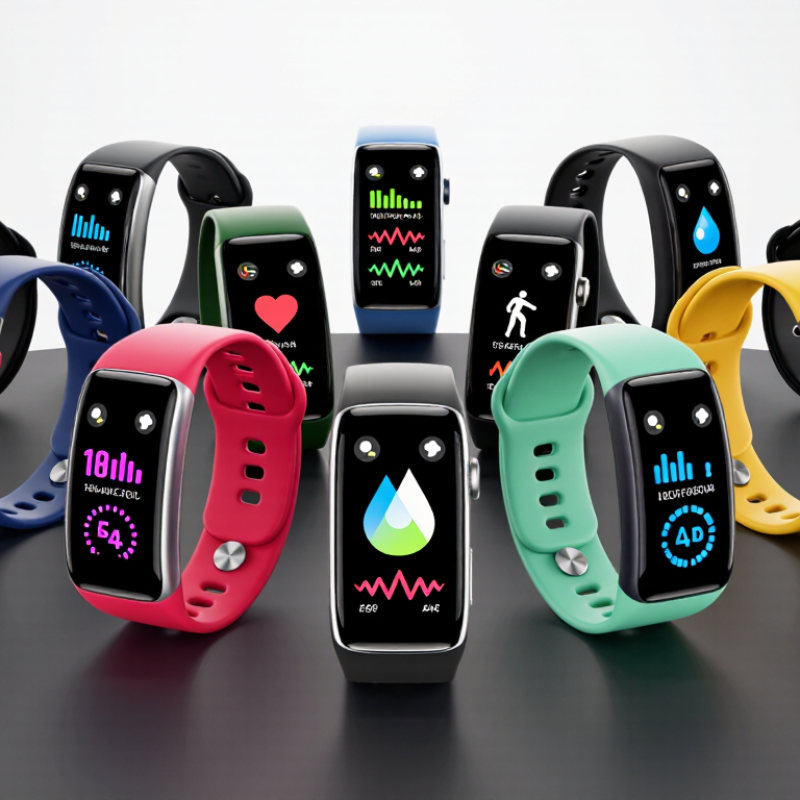
A fitness tracker watch becomes effective when it works reliably across different countries, climates, and daily routines. Global users need clear health data, stable GPS, long battery life, and comfortable materials. Battery matters. A watch that needs charging every night may fail during travel, hiking, or long work shifts.
Accuracy also depends on fit and activity. During practical testing, wrist movement, skin moisture, tattoos, and loose straps affected readings. Heart-rate trends can be useful, but they should not replace professional medical advice. GPS performance may change near tall buildings, dense forests, or underground stations. Multi-system positioning can improve tracking, although no tracker is perfect.
Language support and simple controls matter when users cross borders. Date formats, measurement units, time zones, and local emergency features should adjust correctly. Users should also check how their health data is stored, shared, and deleted. Privacy rules differ between regions, so transparent settings build trust. Water resistance should match the stated rating, not personal assumptions. Saltwater, hot showers, and damaged seals can reduce protection. I would also question impressive sleep scores, because sleep estimates are not equally reliable for everyone. A strong global fitness tracker balances useful measurements with honest limits, durable design, accessible software, and dependable support.
Choosing a fitness tracker watch starts with your routine, not its screen. The World Health Organization’s 2024 global report estimates that 31% of adults remain physically inactive. A useful watch should make movement visible, not create anxiety. Check step, heart-rate, sleep, and workout tracking. GPS matters for outdoor runners and cyclists. It matters less for office workers.
Sensor quality deserves careful attention. Optical heart-rate readings can change with skin contact, motion, tattoos, or cold weather. No wrist sensor is perfectly accurate. Look for continuous monitoring, clear measurement intervals, and alerts you can understand. Battery life is practical, not glamorous. A watch lasting seven days may suit travel better than one requiring nightly charging. Water resistance should match swimming and heavy rain, but never assume every rating supports diving.
The International Data Corporation reported 537.7 million wearable-device shipments worldwide in 2024. More choice does not guarantee better decisions. Compare phone compatibility, subscription charges, exportable data, and privacy controls. Read how the device stores health information. Check whether the app explains uncertainty. Independent research published in the British Journal of Sports Medicine has found that wearable feedback can support higher activity levels, but results vary widely.
My own buying mistake was focusing on colorful charts. The watch felt uncomfortable after two hours. Comfort wins. Also question calorie estimates; they often look more precise than they are.
The best fitness tracker depends on the user, not the highest feature count. IDC reported 537.9 million wearable devices shipped worldwide in 2024, a 9.9% annual increase. ACSM’s 2025 Worldwide Fitness Trends survey ranked wearable technology first. Demand is real, but personal needs still matter more.
For runners, GPS accuracy, pace alerts, and readable screens deserve priority. Swimmers need reliable water resistance and lap tracking.
Sleep-focused users should seek clear sleep-stage reports, not attractive graphs alone. Strength trainees may value heart-rate recovery and workout logging.
Beginners often need simple goals and long battery life. Older users may prefer larger text, fall alerts, and easy charging.
Outdoor users should consider temperature, altitude, and emergency-location features. Some users need menstrual-cycle tools. Others need stress reminders or gentle inactivity prompts.
Ten users can need ten different designs.
Check comfort during a full workday. Skin irritation can change the whole experience. Review privacy controls before syncing health data. Independent validation remains important, because wrist sensors can misread movement, tattoos, or loose straps.
I would compare readings with a trusted chest sensor during exercise, when possible. Even then, no tracker is perfect. Sleep scores can feel precise while remaining approximate. That limitation deserves more attention. Choose useful evidence, not impressive numbers.
Choosing among the 10 best fitness tracker watches for global buyers requires more than counting sensors. Compatibility matters first. Check cellular bands, charging standards, language support, and phone operating systems. A watch may track steps well but lose notifications abroad. IDC reported 611.5 million wearable devices shipped worldwide in 2024, showing strong demand for connected health tools. Yet shipping volume does not guarantee reliable international support.
Health functions should match real needs. Optical heart-rate tracking, sleep monitoring, blood oxygen estimates, GPS, and workout detection are common. However, accuracy changes with skin contact, movement, temperature, and software quality. The World Health Organization reported that about 31% of adults worldwide were insufficiently active in 2022. A useful watch can turn a hotel corridor, airport walk, or short evening ride into measurable activity. Medical features deserve caution. Most consumer readings support personal awareness, not diagnosis. I sometimes trust a clean trend more than one dramatic number.
Tips: Confirm regional cellular bands before purchase. Check whether health features work in your country. Compare battery life with GPS enabled, not standby claims. Choose replaceable straps and a local warranty. Exportable data also matters, especially when changing phones or health platforms. Independent reviews and published validation studies are stronger evidence than glossy specifications.
| Rank | Anonymized Watch Profile | Global Compatibility | Phone Support | Battery Life | Built-in GPS | Water Resistance | Health and Fitness Functions | Smart Features | Best Use Case |
|---|---|---|---|---|---|---|---|---|---|
| 1 | Tracker Watch 01 | Works in most countries through Bluetooth smartphone pairing; cellular functions depend on local network bands and carrier approval. | Android 10 or later; iOS 16 or later. | Up to 18 days in standard use; shorter with continuous GPS and advanced health monitoring. | Yes; multi-system satellite positioning. | 5 ATM; suitable for swimming in shallow water, but not for diving. | 24-hour heart rate Blood-oxygen estimation Sleep stages Stress tracking Over 100 workout modes | Notifications, music controls, weather, alarms, find-phone function, contactless payment where supported. | Long battery life and broad fitness coverage for international travelers. |
| 2 | Tracker Watch 02 | Bluetooth synchronization is generally available worldwide; emergency and cellular features require regional support. | Android 9 or later; iOS 15 or later. | Up to 14 days; approximately 30 hours with continuous GPS. | Yes; GPS, GLONASS, Galileo, and BeiDou support. | 5 ATM with swim tracking. | Heart-rate zones Sleep score Workout recovery SpO₂ estimation Breathing exercises | Call and message alerts, customizable watch faces, camera remote, calendar reminders, voice assistant support. | Balanced everyday health monitoring and outdoor exercise tracking. |
| 3 | Tracker Watch 03 | Designed for international Bluetooth use; app availability may vary by country or operating-system store. | Android 8 or later; iOS 14 or later. | Up to 12 days; about 20 hours in GPS performance mode. | Yes; GPS with route recording and distance tracking. | 5 ATM; appropriate for pool workouts. | Continuous heart rate Sleep monitoring Menstrual-cycle logging Daily steps VO₂ max estimate | Notifications, music control, timers, weather updates, sedentary reminders, quick-reply options on compatible phones. | General wellness, walking, running, and affordable daily tracking. |
| 4 | Tracker Watch 04 | Global phone pairing through Bluetooth; standalone communication is subject to country-specific eSIM and carrier availability. | Android 10 or later; iOS 16 or later. | Up to 10 days; around 36 hours with GPS and frequent sensor use. | Yes; dual-frequency positioning on supported routes. | 5 ATM plus dust resistance for outdoor activities. | Heart-rate alerts ECG-type recording where approved Fall detection Sleep apnea indicators Training load | Offline maps, turn guidance, emergency contacts, notifications, payments where available, app downloads. | Advanced training, hiking, and safety-focused outdoor use. |
| 5 | Tracker Watch 05 | Bluetooth features work broadly across regions; some health services require local regulatory approval. | Android 9 or later; iOS 15 or later. | Up to 9 days; approximately 25 hours with GPS. | Yes; multi-band satellite positioning. | 5 ATM; supports pool swimming and rain exposure. | Heart-rate variability Sleep stages Stress score Body-composition estimates Over 90 sport modes | Calls, notifications, voice commands, music controls, route import, transit or payment functions where supported. | Users wanting a smartwatch experience with detailed wellness tools. |
| 6 | Tracker Watch 06 | International Bluetooth pairing; cellular connectivity is not required for core activity and health functions. | Android 8 or later; iOS 14 or later. | Up to 8 days; about 24 hours with continuous GPS. | Yes; GPS, Galileo, GLONASS, and BeiDou. | 5 ATM; suitable for swimming, not scuba diving. | Heart-rate tracking Sleep score SpO₂ estimation Workout detection Recovery guidance | Message notifications, weather, music controls, alarms, stopwatch, remote camera shutter. | Affordable multisport tracking with reliable location recording. |
| 7 | Tracker Watch 07 | Suitable for worldwide use when paired with a compatible phone; language and regional service support may differ. | Android 10 or later; iOS 16 or later. | Up to 7 days; roughly 18 hours in high-accuracy GPS mode. | Yes; GPS with breadcrumb navigation. | 5 ATM; includes swimming metrics. | ECG-type recording where approved Irregular rhythm alerts Sleep tracking Temperature trends Cycle tracking | App marketplace, voice assistant, contactless payments where supported, calls, messages, maps, media controls. | Phone-like smart functions combined with daily health monitoring. |
| 8 | Tracker Watch 08 | Core Bluetooth functions are broadly compatible; certain apps, payment services, and emergency tools are region dependent. | Android 9 or later; iOS 15 or later. | Up to 6 days; about 16 hours with continuous GPS. | Yes; GPS route tracking. | 5 ATM with water-lock mode. | Heart-rate monitoring Sleep duration Stress measurement Breathing rate Over 80 workout modes | Notifications, music control, weather, alarms, find-phone function, customizable widgets. | Everyday activity, gym sessions, and first-time smartwatch buyers. |
| 9 | Tracker Watch 09 | Bluetooth pairing works internationally; satellite maps and emergency communications may require regional downloads or subscriptions. | Android 10 or later; iOS 16 or later. | Up to 5 days; approximately 20 hours with GPS and advanced tracking. | Yes; multi-band GPS with route navigation. | 10 ATM; suitable for swimming and higher-water-pressure activities, subject to manufacturer limits. | Heart-rate zones Training readiness Elevation gain Sleep and recovery Performance metrics | Offline route guidance, storm alerts, emergency detection, notifications, music controls, downloadable data fields. | Trail running, cycling, hiking, and demanding outdoor training. |
| 10 | Tracker Watch 10 | Works with global Bluetooth standards; local restrictions may affect payment, ECG, cellular, or emergency features. | Android 8 or later; iOS 14 or later. | Up to 4 days; about 12 hours with continuous GPS. | Yes; GPS with basic route and pace recording. | 5 ATM; suitable for pool swimming and everyday water exposure. | Heart-rate tracking Step counting Sleep monitoring Calorie estimates Guided workouts | Call and message alerts, weather, timers, alarms, music control, interchangeable watch faces. | Compact daily tracking for casual users and short workouts. |
Important: Battery figures are manufacturer-style maximum estimates under defined conditions. Health measurements such as heart rate, blood oxygen, ECG-type readings, stress, sleep, and body-composition estimates are for wellness and fitness purposes and are not substitutes for medical diagnosis. Cellular, payment, emergency, ECG, language, and app features can vary by country, carrier, operating system, and regulatory approval.
How to Select the Right Fitness Tracker Watch for Your Lifestyle
Start with behavior, not features. The 2024 ACSM Worldwide Survey of Fitness Trends ranked wearable technology as the leading fitness trend. That popularity does not make every device suitable. A desk worker may need gentle movement alerts, while a trail runner may prioritize GPS stability, elevation data, and long battery life.
Match the watch to your weekly routine. If you exercise outdoors, check route tracking, screen readability, and water resistance. If sleep monitoring matters, choose a lighter design that feels comfortable overnight. The World Health Organization recommends 150–300 minutes of moderate activity weekly for adults. A tracker can reveal inactive periods, but it cannot replace medical advice or personal judgment.
Look beyond the sensor count. Review data permissions, phone compatibility, charging time, and repair support in your country. Battery claims may change with GPS, notifications, and frequent measurements. Small details matter. A device lasting two weeks on paper may need charging every few days in real use. No tracker is perfectly accurate, especially during intense movement or irregular sleep. I would treat readings as useful trends, not unquestionable facts. Before buying, test whether the watch fits your wrist, habits, budget, and tolerance for daily reminders. A technically advanced watch can still become an expensive drawer item.
The chart shows the suggested minimum battery life for different lifestyles. Longer battery life is especially useful for travel, outdoor navigation, sleep tracking, and multi-day activities because it reduces charging interruptions.
These are practical selection benchmarks rather than brand ratings. Actual battery performance varies with GPS use, screen brightness, notifications, and health-sensor settings.
1995 E Norse Ave
Cudahy, WI 53110
Phone: 414-486-6249
Fax: 414-486-5728