CALL TODAY for FREE In home consultation
SEND EMAIL
1995 East Norse Avenue
Cudahy, Wisconsin 53110
414-727-2524
4445 W Forest Home Avenue
Milwaukee, Wisconsin 53219
414-727-2525
2140 American Drive
Neenah, Wisconsin 54956
920-257-6060
65 Copeland Avenue
La Crosse, Wisconsin 54603
608-784-9980
As more individuals seek independence at home, the demand for handicap equipment for home is rising. A recent report from the National Institute on Disability and Rehabilitation Research indicates that nearly 25% of adults in the U.S. have some form of disability. This statistic underscores the importance of accessible home equipment. Adding the right tools can significantly enhance daily living and mobility.
Choosing appropriate handicap equipment for home use requires careful consideration. The options range from mobility aids, like walkers and wheelchairs, to bathroom safety equipment. Studies show that integrating such tools enhances quality of life. However, many people still make mistakes in selecting equipment. They may overlook their specific needs or underestimate available options.
This issue illustrates the importance of informed decision-making. While it may seem simple, selecting the right handicap equipment can influence safety and comfort. Understanding the variety of products available is key to making the best choices.
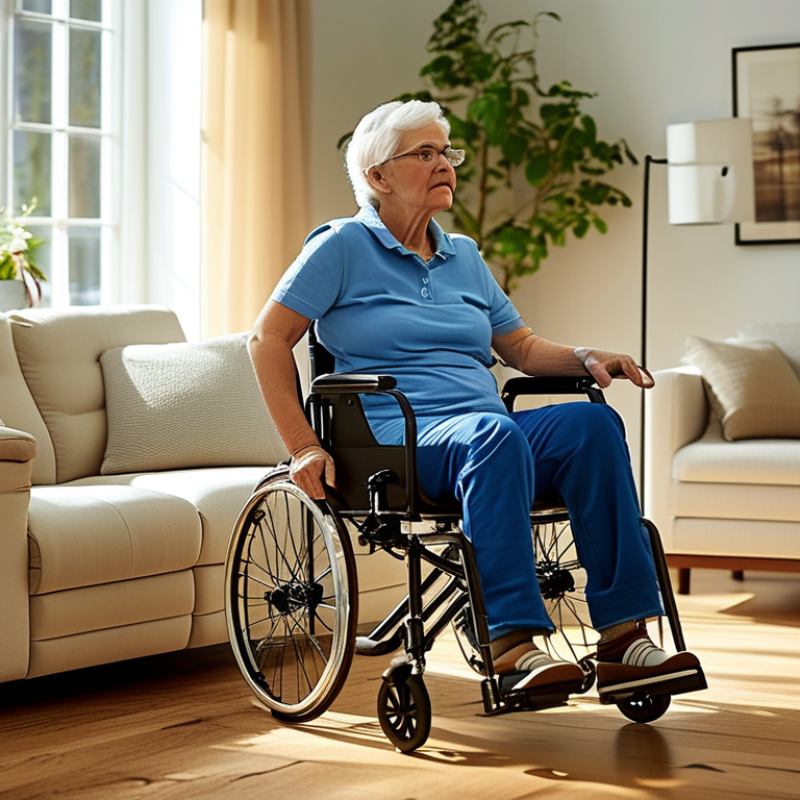
When setting up a home environment for individuals with disabilities, selecting the right equipment is crucial. Handicap equipment enhances safety, accessibility, and comfort. It helps individuals maintain independence in their daily activities. Whether it's a simple grab bar installed in the bathroom or a supportive chair, these tools play a vital role in everyday functioning.
Understanding the importance of such equipment is not just about convenience. It significantly impacts the quality of life. For instance, a properly positioned shower chair can prevent falls and promote self-care. Assessing the home layout to identify areas that need assistance can be challenging but necessary. Ignoring these details might lead to potential accidents.
Moreover, not everyone is aware of available resources or tools. This creates a gap in knowledge. Educating oneself about the options available is vital. It allows family members and caregivers to provide adequate support. Prioritizing the right equipment ensures a safer and more enjoyable home life.
When considering handicap equipment for home use, it’s essential to focus on types that enhance accessibility and independence. A study from the National Institute on Disability, Independent Living, and Rehabilitation Research indicates that approximately 12% of adults have some form of mobility impairment. In light of this, evaluating suitable equipment is crucial.
Bathroom safety equipment often tops the list. Grab bars, shower chairs, and non-slip mats are vital. According to a survey by the Centers for Disease Control and Prevention, falls are a leading cause of injury among seniors. Thus, installing grab bars can significantly reduce fall risk.
Living room adaptations are as important. Consider mobility aids like walkers or wheelchairs designed for home use. Research published in the Journal of Rehabilitation Research highlights that 60% of wheelchair users experience difficulty navigating their homes. Ensuring clear pathways and customized furniture layouts can improve their quality of life.
While equipment enhances independence, each individual’s needs are unique. It’s essential to customize solutions rather than adopting a one-size-fits-all approach. Each household must assess its specific challenges and adapt accordingly.
When selecting home handicap equipment, understanding key features is crucial. Consider adjustability. Many users have varying needs. Equipment that can be easily modified is often more helpful. Look for items that accommodate multiple heights and body types. This flexibility ensures comfort and usability.
Safety features are another important aspect. Non-slip surfaces and secure grips can make a significant difference. For individuals with mobility challenges, stability is essential. Additionally, lightweight materials can aid in easier transport and use. Reflect on the task a piece of equipment supports. Is it intuitive enough? If not, it may cause frustration rather than relief.
Durability deserves attention too. Always choose materials that withstand daily use but ensure they aren't overly cumbersome. Equipment should enhance independence rather than create dependency. Balancing weight and sturdiness can be tricky but vital. Identify what works best in your space and lifestyle while being open to adjustments as needs evolve.
| Equipment Type | Key Features | Benefits | Considerations |
|---|---|---|---|
| Wheelchair | Lightweight, foldable, adjustable footrests | Enhanced mobility, easy storage | Fit for door widths, weight capacity |
| Grab Bars | Rust-resistant, slip-resistant grips, various lengths | Improved safety, fall prevention | Proper installation, weight limitations |
| Shower Chair | Waterproof, adjustable height, reinforced structure | Comfort during bathing, reduces fall risk | Need for space in bathroom, stability concerns |
| Mobility Scooter | Compact size, long battery life, adjustable seat | Independence in movement, easy transportation | Terrain adaptability, weight limits |
| Lift Chair | Reclining feature, heat and massage options, remote control | Ease of getting up, comfort | Space requirements, style options |
When it comes to handicap equipment, proper maintenance and storage are crucial. Regular checks ensure everything functions correctly. Look for signs of wear and tear. Inspect wheels on mobility scooters. A worn tire can affect safety and performance. It’s essential to address such issues immediately.
Storing handicap equipment safely can prolong its lifespan. Keep items in a dry, cool area to prevent rust or deterioration. Use covers to protect against dust and moisture. Consider organizing tools and equipment in clearly labeled bins. This method saves time when you need to find something.
Cleaning is vital, too. Use gentle cleaners to avoid damaging the surface. Pay special attention to moving parts, as dirt can lead to malfunction. Additionally, creating a regular cleaning schedule can help maintain peak performance. Forgetting to clean might lead to bigger issues down the line. Keep track of maintenance dates to ensure nothing is overlooked.
When using handicap equipment at home, safety is paramount. Ensure that all equipment is appropriate for individual needs. Measure spaces carefully to accommodate mobility aids, like wheelchairs or walkers. Clear pathways to prevent accidents. Consider adding non-slip mats in key areas.
Regularly inspect equipment for wear and tear. Check that brakes function properly. Worn-out parts can lead to serious issues. It’s easy to overlook these details, but they are crucial. Discuss with healthcare providers to ensure the chosen equipment meets your safety standards.
Consider the comfort of the user. Equipment should be easy to operate and adjust. Think about the weight of items. Heavy items can cause injury if dropped. Encouraging independence is important, but safety should always come first. A well-thought-out setup minimizes risks and enhances daily life.
This chart represents user satisfaction levels for various handicap equipment commonly used at home. The ratings are based on a scale from 1 to 10, indicating how satisfied users are with each type of equipment.
1995 E Norse Ave
Cudahy, WI 53110
Phone: 414-486-6249
Fax: 414-486-5728