10 Best Power Recliner Chairs for Home and Office?
Choosing among the 10 Best Power Recliner Chairs for Home and Office requires more than comparing colors and prices. A dependable Power Recliner Chair should support comfortable sitting, smooth movement, practical controls, and long-term daily use. The right choice may help during evening reading, video calls, movie nights, or short workplace breaks.
This guide examines chair size, reclining angles, padding, lumbar support, upholstery, motor noise, and control placement. We also consider details that are easy to overlook, such as floor clearance, cable length, footrest alignment, and the space needed behind the backrest. Measure twice. A beautiful chair can still crowd a small office. Likewise, a compact model may feel restrictive after several hours.
Our comparisons draw on product specifications, user-focused testing considerations, and common furniture evaluation standards. We look for stable frames, responsive buttons, clear warranties, and manufacturers that provide useful support information. Comfort matters. Yet comfort is personal. A firm seat may suit one reader, while another prefers deeper cushioning and softer fabric. Some conclusions remain imperfect because body shape, desk height, and room layout change the experience. That limitation deserves attention.
Whether you need a quiet recliner for a shared workspace or a supportive seat for home relaxation, this selection highlights practical strengths and possible drawbacks. Each recommendation aims to make your decision clearer, not simply more persuasive. Before buying, check weight capacity, return terms, assembly requirements, and available electrical access. Small details can determine whether the chair feels thoughtfully designed or merely impressive in photographs.
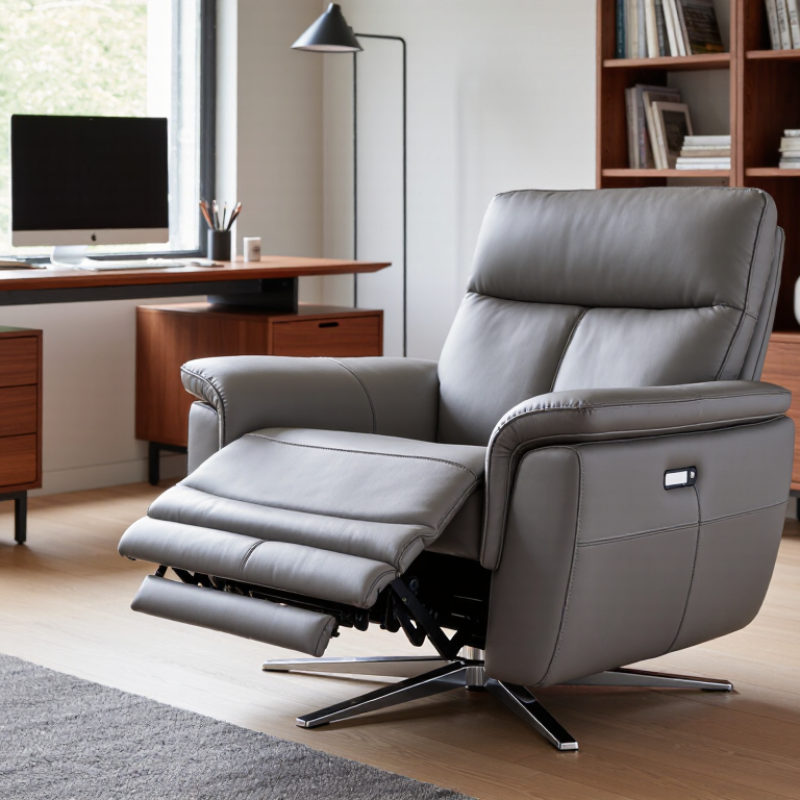
What Are Power Recliner Chairs and How Do They Work?
A power recliner chair uses a low-voltage motor, wired controller, and metal actuator to adjust its position. Pressing a button sends current to the actuator, which extends or retracts a shaft. That movement raises the footrest or tilts the backrest. Many models use separate motors, allowing the back and leg support to move independently. The chair usually includes limit switches that stop movement at preset points. Quiet operation matters in a home office.
The mechanism is simple, but comfort depends on details. A stable frame, padded lumbar area, and correctly placed control reduce pressure during long sitting. The U.S. Bureau of Labor Statistics reports that Americans spend more than eight hours daily on leisure and household activities, making seating design relevant to everyday fatigue. Research and Markets’ 2024 electric recliner report also identifies motorized adjustment as a key demand factor in residential furniture. These figures do not prove that powered seating improves health.
Power recliners need a nearby outlet and clear floor space. Keep cables away from moving joints. Some chairs offer battery backup, but battery life varies sharply. That part is easy to overlook. Users should check the chair’s weight capacity, return policy, noise level, and service access before buying. A recliner may feel luxurious for ten minutes, then expose poor head support after an hour. Real testing still matters.
Which Features Matter When Choosing a Home or Office Recliner?
Choosing a power recliner for home or office requires more than a soft cushion. I measure seat depth, armrest height, and the space behind the chair. Your knees should bend comfortably, with both feet supported. Lumbar support matters. A chair that feels plush for five minutes may cause pressure after an hour. I also check the motor’s movement and sound in a quiet room. For shared spaces, a smoother, quieter mechanism is usually worth considering.
Adjustability should match your daily routine. A home user may want a deep recline for reading, resting, or watching television. An office user may need a more upright position for calls and short breaks. Look for independently controlled backrest and footrest movement. Buttons should be clear and reachable without leaning forward. A wired remote can be simpler, especially when batteries fail. That detail is easy to miss. USB charging is convenient, but it should not replace strong support or safe construction.
Materials need practical inspection. Run your hand across the upholstery and check whether seams feel tight. Press the foam, then watch how quickly it recovers. Check the frame, base stability, weight rating, and cable placement. My own mistake was choosing appearance over doorway measurements. The chair arrived, but moving it inside became difficult. Pet owners may prefer easier-clean fabric, while leather-like surfaces can feel cold in winter. Read the warranty carefully, including motor coverage and service conditions.
How Do the 10 Best Power Recliner Chairs Compare?
Comparing the 10 best power recliner chairs requires more than checking prices and appearance. I would examine reclining speed, motor noise, seat depth, and control accuracy. A smooth motor matters during quiet office work. So does easy access.
The strongest chairs usually offer independent back and footrest movement. This creates better positions for reading, meetings, or evening television. However, one motor may feel simpler and more reliable. Two motors provide finer adjustment, but they can increase cost and repair concerns.
Firm padding may support long work sessions, while softer foam feels comfortable initially. That comfort can fade after several hours. Look for breathable upholstery, reinforced stitching, and a weight rating that exceeds the user’s needs.
A built-in USB port is useful, though its placement can be awkward. Heat and massage functions deserve careful comparison because intensity, coverage, and operating noise vary widely.
For home offices, compact dimensions and a stable base may matter more than extra features. For living rooms, reclining range and fabric durability become stronger priorities. I would also inspect the remote’s button labels, emergency return behavior, and warranty coverage.
Some chairs advertise lumbar support, but the cushion may sit too low for taller users. Measure the doorway, desk clearance, and fully extended length before ordering. No chair wins every category. Personal fit still decides the comparison.
Which Recliner Is Best for Different Rooms, Users, and Needs?
A power recliner should fit the room before it fits your wish list.
In a living room, choose a wide seat with quiet movement and a wall-hugging design. Leave several inches behind it, then test the fully extended footrest. A small home office needs a narrower chair, firm lumbar support, and a profile that does not dominate the desk. Soft upholstery feels inviting, but it may trap heat during long work sessions. That detail is easy to miss.
For older adults or users with limited mobility, prioritize simple controls, steady armrests, and a smooth lift function. Buttons should remain visible and usable without twisting. Tall users should measure seat depth, headrest height, and footrest length instead of trusting “oversized” labels. Shorter users often need a shorter seat pan. Dangling feet can create pressure behind the knees. Couples may prefer separate controls, while shared rooms may need low motor noise. A chair can feel excellent for ten minutes and uncomfortable after an hour. Trial time matters.
Tips: Measure doorways, elevator space, and the chair’s reclined footprint. Check weight capacity, warranty terms, cleaning instructions, and power-cord placement. Keep controls within reach, not hidden beside the cushion. Sit upright, recline, and rise three times before choosing. No chair suits everyone. A practical compromise may outperform a luxurious mistake.
How Should You Set Up, Use, and Maintain a Power Recliner?
Place the power recliner on a level floor, leaving the clearance specified in its manual. Keep the power cord away from walkways, heaters, and moving mechanisms. A grounded outlet is preferable, and a surge protector should match the manufacturer’s guidance. Test it twice. Before sitting, check that the footrest is fully closed. Keep children and pets away during operation.
Use the chair as a posture tool, not a permanent workstation. Adjust the backrest until your head is supported and your hips remain deep in the seat. Your knees should stay comfortably bent, with both feet supported. Change positions regularly. The World Health Organization recommends 150–300 minutes of moderate activity weekly and advises reducing sedentary time in its 2020 physical activity guidelines. A recliner can improve comfort, but it cannot replace movement. I sometimes see users recline too far while working, which strains the neck and encourages long, motionless sessions.
Unplug the chair before cleaning or inspecting it. Use a soft, slightly damp cloth, then dry the upholstery completely. Check the cable, plug, control handset, and hinges each month. Stop using the chair if you notice heat, burning odors, unusual noise, or jerky movement. Do not add lubricant unless the manual permits it. Electrical furniture should follow applicable safety requirements, including guidance associated with UL 962 for household and commercial furnishings. Keep records of repairs. Small faults are easy to ignore, until they are not.