
China Best Puff Ink for Screen Printing Manufacturers

Puff Ink For Screen Printing can turn a flat design into a raised, tactile feature. On a cotton hoodie, the print may feel soft and springy; on a tightly woven polyester shirt, the same ink can behave differently. That contrast makes material choice, mesh, deposit, and curing essential parts of the process.

Screen-printing educator Andy MacDougall has written extensively about practical printmaking, but I could not verify a direct quotation from him about puff ink. Rather than invent one, this guide uses a clear shop-floor principle: “Test the print on the actual garment, not just on a sample card.” It is simple advice. Still, it can prevent costly surprises.

For manufacturers comparing China-based suppliers, a product description alone is not enough. Ask for technical data, recommended curing conditions, and samples printed on your intended fabric. Check expansion, surface feel, wash performance, and color consistency under repeat runs. Puff effects can look impressive in a photograph, yet uneven deposits or excessive heat may flatten the result. No supplier should be judged by a single attractive sample. The details matter.
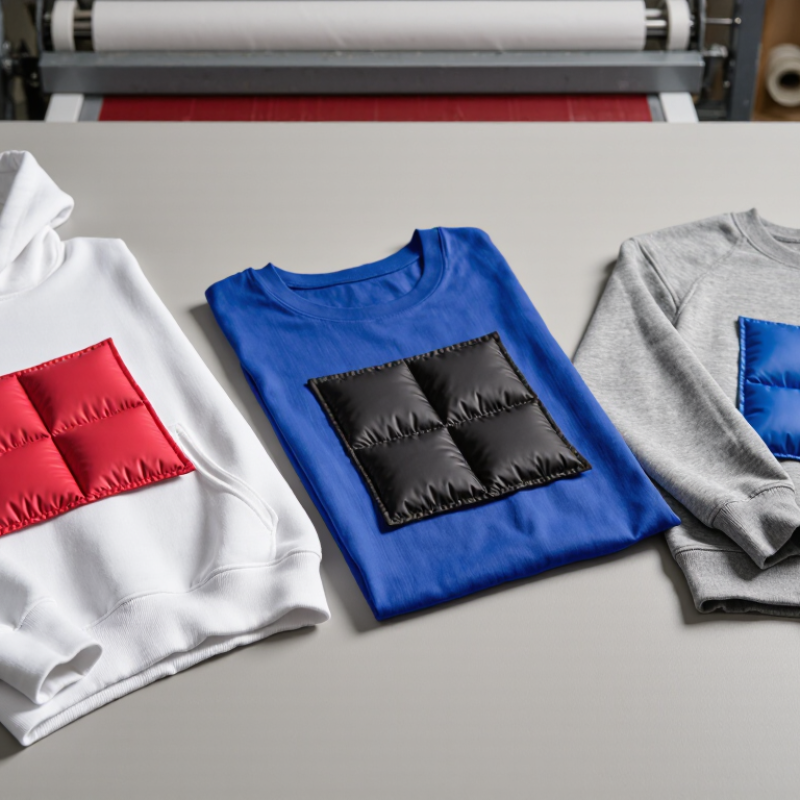
China Best Puff Ink for Screen Printing Manufacturers

What Puff Ink Is and How It Creates a Raised Print

Puff ink is a screen-printing ink designed to rise when heated. Before curing, it looks much like a regular print on the fabric. The change happens in the dryer. Heat activates expanding agents in the ink, forming tiny pockets that lift the printed surface. The result is a soft, raised texture you can feel with a fingertip.

Small details matter. A thick, even deposit gives the ink room to expand, while a fine mesh and controlled squeegee pressure help keep edges clear. On a cotton sweatshirt, a simple bold shape often puffs more evenly than delicate lettering. Then comes curing. Too little heat can leave the print flat or weak; too much may make it rough or brittle. Check the ink’s technical instructions and test on the actual fabric. Always test first.

The surface should feel springy, not crusty. Wash testing matters, too, because a raised print can lose definition if the ink is poorly cured or the design is overly dense. Results vary with fabric, ink deposit, and dryer conditions. Even experienced printers can get uneven lift on a first run. That is worth admitting. A small sample can reveal problems before a full production run.

Key Properties of Puff Ink for Screen Printing

Puff ink for screen printing is valued for its raised, foam-like finish. Its key property is controlled expansion during heat curing. The ink must rise evenly without losing sharp edges. A stable formula also supports smooth printing through the mesh. Viscosity matters greatly. If the ink is too thick, details may clog. If it is too thin, the puff effect may look weak. The final surface should feel soft, flexible, and firmly attached to the fabric.

Tips: Test the ink on the actual garment before production. Adjust screen mesh, squeegee pressure, and curing temperature together. A heavier deposit usually creates more height, but excessive ink can crack after washing. Keep printed panels flat during curing. Record the settings for repeatable results.

Experienced printers also check color strength, coverage, and wash durability. Dark fabrics may need a suitable underbase, while lightweight fabric often requires a lower puff height. The curing profile should be verified with a temperature probe, not only by machine display. Small changes in heat can affect texture. Not every recipe behaves perfectly. Humidity, fabric stretch, and storage time may change the result. A practical manufacturer should provide technical guidance, consistent batch quality, and clear testing recommendations. Ask for samples and review them after repeated washing. That step can reveal problems hidden on the first day.

How to Choose Puff Ink for Different Fabrics and Applications

China Best Puff Ink for Screen Printing Manufacturers

Choosing puff ink begins with the fabric, not the color chart. Cotton usually accepts expansion well because its surface holds ink firmly. Polyester needs more caution. Textile Exchange’s 2023 Materials Market Report states that polyester accounted for about 54% of global fiber production in 2022. That large share makes low-bleed, low-cure puff systems important for modern apparel production.

For cotton, use a controlled deposit and test the expansion after curing. A thick stencil can create a higher foam effect, but excessive thickness may crack during washing. On polyester blends, select ink with strong dye-migration resistance and cure it according to the technical data sheet. Stretch garments require flexible ink. Otherwise, the raised print may split when the fabric moves. Small mesh changes matter.

Test before bulk printing.

A practical trial should include the actual fabric, screen, squeegee pressure, drying temperature, and curing time. Check adhesion, height, hand feel, color migration, and wash durability. ISO 6330 provides standardized domestic washing procedures, while AATCC TM61 offers an accelerated laundering method for comparing performance. These tests improve reliability, though neither perfectly reproduces every consumer wash. That is where judgment remains necessary. In my view, “maximum puff” is rarely the best target; a balanced surface often survives better and feels more comfortable. Some production decisions still need revision after real wear testing.

Choosing Puff Ink for Different Fabrics

Indicative application-fit ratings (1 = lower, 5 = higher); actual results depend on ink formulation, fabric construction, and curing conditions.

Cotton and cotton-rich blends are common starting points for puff printing. Polyester, nylon, and fleece may require fabric-specific ink selection and careful testing to manage heat sensitivity, adhesion, and surface texture. Always follow the ink maker’s technical data sheet and test the full print-and-cure process on the intended fabric.

Screen-Printing Process and Curing Requirements for Puff Ink

Puff ink needs an even deposit to rise consistently. Start with clean, dry fabric and a screen suited to the ink’s recommended mesh range. A stencil that is too open can lay down excess ink, while a tight screen may produce a weak, uneven effect. Use steady squeegee pressure and avoid repeated strokes that disturb the print. Test the fabric first.

Keep the printed layer level and free from sharp edges or thin gaps. On a sample shirt, check that the ink has not spread into nearby details. A short flash may help when printing multiple colors, but too much heat can begin curing the layer before the final pass. Small adjustments matter.

Follow the ink supplier’s technical data for curing temperature and dwell time; requirements vary by formulation and equipment. Measure the ink film itself with a suitable temperature probe, rather than relying only on the dryer’s display. The garment must reach the specified cure conditions throughout the printed area. Then inspect the raised surface for even expansion, cracking, or a flat center. Wash testing can reveal weak adhesion, though one sample is not proof of every production run. I have seen rushed dryer settings look acceptable at first, then fail after washing. Recheck settings when fabric weight, print thickness, or line speed changes.

How to Assess Puff Ink Manufacturers in China

Assessing Puff Ink Manufacturers in China

A reliable puff ink manufacturer should explain how its formulation expands under heat, not just promise a dramatic finish. Ask for a technical data sheet and a small sample printed on your intended fabric. Check the ink’s recommended mesh, curing temperature, and dwell time. Details matter. A workshop test can reveal whether the print rises evenly or develops thin edges and pinholes.

Review the manufacturer’s quality controls, production capacity, and experience with your fabric type. Request batch samples and compare their color, hand feel, and expansion after curing. Ask how they handle storage, shelf life, and process changes between orders. Clear answers are useful. Vague claims are not. If possible, inspect a recent production sample under consistent lighting and measure the printed area after washing. Puff effects can vary with fabric and equipment, so one sample cannot guarantee every result. I have seen buyers focus too much on height; a softer, more even finish may suit the garment better. Still, even careful testing has limits. Confirm the process with your own press before placing a large order.

China Best Puff Ink for Screen Printing Manufacturers - How to Assess Puff Ink Manufacturers in China

Use this checklist to compare suppliers. Request product-specific documents and independently verify performance on your own fabric, screen, and curing equipment; results depend on the ink formulation and printing conditions.

Assessment dimension What to request or check Practical assessment method Evaluation guide
Product specification Current technical data sheet (TDS), intended substrate, ink type, storage conditions, and stated application limits. Check that the TDS identifies the product and revision date, and that its instructions match your intended fabric and process. Prefer clear, product-specific documents over general claims or verbal instructions.
Puff effect and appearance Sample prints showing the cured raised effect, surface texture, opacity, and consistency across prints. Print samples using the supplier's stated process, then inspect appearance and compare samples made under the same conditions. Judge against an agreed physical sample or written specification; the visible result depends on deposit, fabric, and curing.
Curing instructions Recommended curing method and process window, including temperature and time where specified. Run a trial on your own equipment. Measure the ink or fabric temperature with an appropriate instrument rather than relying only on the dryer setting. Confirm the print cures consistently without unacceptable scorching, shrinkage, or loss of the intended effect.
Wash and durability performance Test method, wash conditions, number of cycles tested, and any reported changes to adhesion or appearance. Agree on a wash-test procedure before evaluation. ISO 6330 describes domestic washing and drying procedures for textile testing; select conditions relevant to the end use. Compare results only when the fabric, print, cure, and test conditions are equivalent.
Adhesion and flexibility Evidence from tests on the relevant fabric, including handling or stretch performance where applicable. Inspect after curing and after agreed handling, stretch, or wash trials. Record cracking, peeling, or transfer to other surfaces. Set acceptance criteria based on the garment's intended use; results may differ across fabric compositions and constructions.
Safety and regulatory documents Safety data sheet (SDS), hazard classification, handling guidance, and applicable chemical-compliance declarations for the target market. Check document dates, product identity, and stated scope. Verify restricted-substance requirements against the destination market and buyer's specification. A generic declaration does not establish compliance for every market, formulation, or finished article.
Quality control and traceability Batch identification, retained-sample practices, inspection records, and procedures for handling nonconforming product. Ask how a delivered batch can be traced to its production and test records, and how complaints or corrective actions are documented. Look for repeatable, documented processes rather than relying solely on a quality-system certificate.
Sampling and technical support Sample availability, application guidance, troubleshooting process, and response arrangements. Request a sample and written trial instructions before a production order. Confirm how technical questions and test feedback will be handled. Assess support using an actual technical question and a documented sample trial.
Packaging, shelf life, and shipping Container size, batch and date coding, shelf-life statement, storage requirements, and packaging suitable for transport. Review the label and packing details; confirm how temperature-sensitive or otherwise regulated shipments will be handled when relevant. Check that the delivered product arrives identifiable, sealed, and within its stated shelf life.
Commercial terms and consistency Written quotation, minimum order quantity, lead time, payment terms, and procedure for approving changes to specifications. Compare like-for-like quotations and request confirmation that production batches will follow the approved specification and sample. Include documentation, sampling, and quality controls in the comparison—not price alone.

ACCESS ABILITY Home Medical Store has a Beautiful showroom in Cudahy To Serve You!

Corporate Office And Store
Cudahy, Wisconsin

1995 E Norse Ave
Cudahy, WI 53110
Phone: 414-486-6249
Fax: 414-486-5728