China Top 10 Home Wheelchair Manufacturers?
Choosing a reliable home wheelchair manufacturer requires more than comparing prices or counting product models. A suitable chair must fit real domestic conditions, including narrow doorways, uneven thresholds, small elevators, and limited storage space. This guide examines ten leading Chinese manufacturers through practical criteria, such as frame strength, seating support, drive systems, customization, quality control, and after-sales service.
Dr. Rory Cooper, a renowned wheelchair researcher and rehabilitation engineer, has stated, “A wheelchair should be a tool for independence.” That principle matters at home. A stable chair can help users move safely from the bedroom to the kitchen, turn beside a dining table, or rest comfortably near a window. These details often reveal more than a polished product photograph.
The selected companies are assessed from a buyer’s perspective, not through unverified popularity claims. Manufacturing experience, certifications, testing procedures, export history, and user feedback all deserve attention. However, no supplier is perfect. Some manufacturers may offer strong customization but limited overseas support. Others may provide competitive pricing while lacking refined ergonomic options. This article recognizes those trade-offs instead of presenting a simplistic ranking.
Readers should also confirm weight capacity, seat width, battery performance, warranty terms, replacement-part availability, and local service arrangements. A home wheelchair that looks suitable online may still be difficult to maneuver across thick carpets or tight bathroom entrances. Caregivers should consider transfer height and braking access. Users should consider posture, fatigue, and daily routines. The following comparison aims to make that evaluation clearer, more practical, and more dependable.
Definition and Scope of Home Wheelchair Manufacturers in China
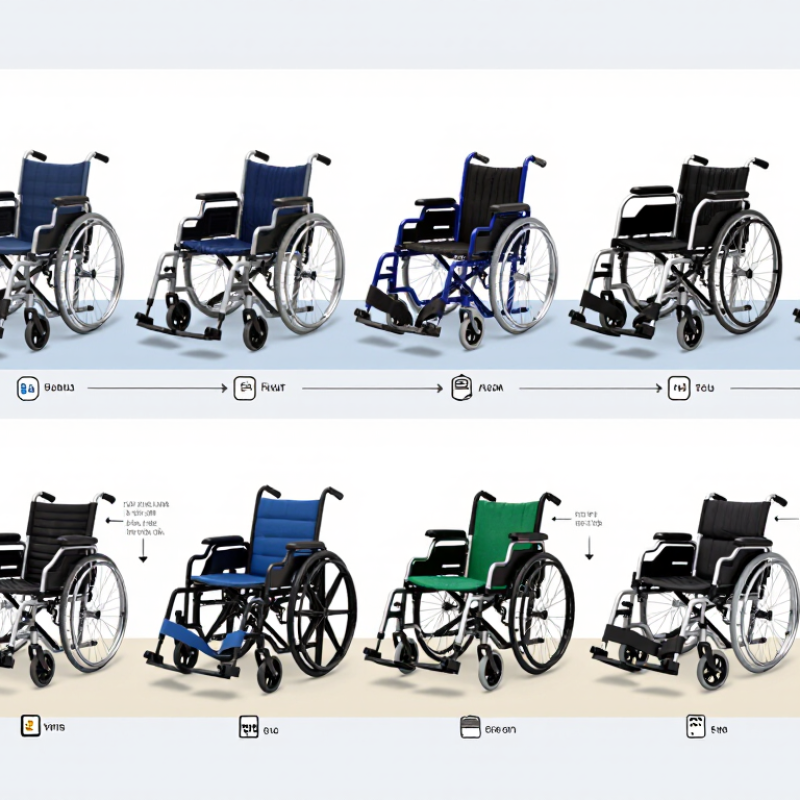
China’s home wheelchair manufacturers are companies that design, assemble, and test mobility products for private residences. Their products may include manual wheelchairs, compact electric models, folding frames, and indoor transfer chairs. Home use requires narrow turning angles, quiet motors, stable brakes, and easy storage.
The market’s relevance is growing. China’s National Bureau of Statistics reported 296.97 million people aged 60 or above in 2023. This represented 21.1% of the population.
The World Health Organization estimates that more than 75 million people worldwide need wheelchairs, while only a small share receives suitable equipment. These figures support a broader definition of home wheelchair manufacturing. It includes product engineering, safety testing, battery integration, user fitting, and maintenance support.
A “top 10” list should therefore assess more than factory size. Useful criteria include verified production capacity, compliance with relevant Chinese and ISO wheelchair standards, product durability, delivery records, and after-sales service. Manufacturers serving hospitals alone may not suit household buyers. The boundary is not always clean. Some factories produce for several sectors, while some trading companies present themselves as manufacturers. Public databases also differ in their definitions and reporting years. For reliable research, company claims should be checked against inspection documents, certification records, factory evidence, and independent customer feedback.
Criteria for Ranking China’s Top 10 Home Wheelchair Manufacturers
China Top 10 Home Wheelchair Manufacturers
Ranking China’s top ten home wheelchair manufacturers requires more than comparing prices or catalog photographs. The WHO and UNICEF Global Report on Assistive Technology (2022) estimates that over 2.5 billion people need assistive products worldwide. This demand makes safety, fit, and long-term support essential. Our assessment should examine ISO 7176 testing, load stability, braking performance, folding cycles, and material traceability. Factory audits also matter. A reliable manufacturer should provide test records, batch identification, and clear quality-control procedures.
User comfort receives equal weight. Reviewers should check seat width, cushion pressure, armrest height, turning radius, and wheel clearance inside real homes. A chair that moves well across a showroom floor may struggle near a narrow bathroom door. We should also assess sample consistency, spare-part availability, warranty response, and technician training. Importantly, rankings should separate verified evidence from sales claims. The WHO report warns that affordability and access remain major barriers, so transparent pricing and repair networks deserve measurable scores.
No ranking is perfect. A single sample cannot reveal every production variation. Long-term user feedback may be incomplete, especially for smaller factories. For this reason, the final list should combine laboratory documents, on-site inspections, user trials, and follow-up service records. Manufacturers scoring highly should show dependable performance, not merely attractive packaging. That distinction is easy to miss.
Profiles of the Ten Leading Chinese Home Wheelchair Brands
China’s ten leading home wheelchair manufacturers reflect a practical shift toward safer, smaller mobility equipment. The World Health Organization estimates that 1.3 billion people, or 16% of the global population, experience significant disability. This creates strong demand for reliable indoor mobility support.
These ten manufacturers differ in useful ways. Several focus on lightweight folding frames for apartment storage. Others develop power-assisted models with joystick controls, removable batteries, and compact turning radii. A few emphasize pressure-relieving cushions, adjustable footrests, and corrosion-resistant steel.
Their strongest profiles usually include documented testing, traceable components, and clear after-sales procedures. ISO 7176 testing is an important reference for wheelchair durability, braking, and stability. Details matter.
China’s National Bureau of Statistics reported 216.76 million people aged 60 or above in 2023. That figure represents 15.4% of the population and supports continued demand for home-care mobility products. Manufacturers serving this market should consider narrow doorways, uneven thresholds, bathroom transfers, and caregiver lifting effort. A product can look advanced yet remain awkward beside a bed. That is a common weakness.
Some company profiles provide limited evidence about long-term battery performance or repair access. Buyers and distributors should therefore inspect test certificates, warranty terms, spare-part availability, and user feedback. No ranking is permanent. Manufacturing quality can vary between models, even within one factory.
Comparison of Products, Technologies, Certifications, and Services
China’s top wheelchair manufacturers should be compared by evidence, not factory size or advertising claims.
A practical review should examine manual, electric, pediatric, bariatric, and standing wheelchair ranges. Frame materials matter. Aluminum reduces weight, while reinforced steel may support heavier users. Check seat width, cushion pressure relief, turning radius, brakes, anti-tip devices, and folding strength.
Technology separates similar-looking products.
Electric models may use brushless motors, programmable controllers, electromagnetic brakes, and lithium batteries. Real travel distance often changes with user weight, slopes, temperature, and tire pressure. Ask for laboratory test reports, battery transport documents, and clear charging instructions. Quality systems such as ISO 13485 can show controlled medical-device production. Depending on the target market, CE marking, applicable European requirements, or relevant national standards may also matter. Certificates should match the exact model, not merely the factory.
Service deserves equal attention.
Reliable suppliers provide user manuals, spare-part codes, remote troubleshooting, technician training, and traceable inspections. Custom seating and joystick adjustments can improve daily comfort. Warranty terms must state coverage for batteries, motors, frames, and misuse. However, no ranking is permanently accurate. Product updates, component substitutions, and delayed service can change performance within months. I would request production samples, inspect welds and connectors, and speak with actual distributors before choosing. Marketing photographs rarely reveal battery access, repair difficulty, or noise on uneven pavement.
The uncomfortable truth is simple: a lower purchase price may create higher maintenance costs.
How to Choose a Reliable Chinese Home Wheelchair Manufacturer
Choosing among China’s top 10 home wheelchair manufacturers requires more than a polished website. A reliable supplier should provide factory evidence, product traceability, and testing records. The 2022 WHO and UNICEF Global Report on Assistive Technology estimates that 2.5 billion people need at least one assistive product. This demand makes quality screening urgent, not cosmetic. Ask for the manufacturing address, business license, production photos, and a live video audit. Confirm whether the factory controls frame welding, upholstery, wheels, and final inspection. Outsourcing is not automatically poor, but hidden subcontracting raises accountability risks. I would request a sample before discussing a large order.
Review measurable details. ISO 7176 covers wheelchair safety, performance, and test methods. Ask which clauses the model meets, then verify reports from an independent laboratory. Check braking distance, static stability, seat-width tolerance, folding cycles, and corrosion resistance. For home use, measure doorways and turning space with the actual chair. A quiet wheel is useful, but safe transfers matter more. Request a written spare-parts list and response time. The contract should define inspection standards, packaging, warranty handling, and corrective action. Do not rely on a certificate image alone. It may be genuine yet unrelated to the selected model. Compare two samples from different batches. Small differences can reveal weak process control. The same WHO and UNICEF report projects assistive-product needs to reach 3.5 billion people by 2050. Scale will not excuse poor communication. One uncomfortable question remains: can the manufacturer explain a failed test without changing the subject?