How to Choose the Best Home Medical Products for Your Needs?
Choosing the right home medical products can be a daunting task. With numerous options available, making an informed decision is crucial. These products can greatly impact your health and well-being, whether you need mobility aids, monitoring devices, or daily living aids. Understanding your unique needs is the first step toward selecting the best items for your situation.
Research plays a vital role in this process. Look for authoritative sources that review various home medical products. Personal experiences from users can provide insight into the effectiveness of these items. However, be cautious. Not every product will fit every individual. What works for one person may not be suitable for another. Always consider your specific health condition and personal preferences.
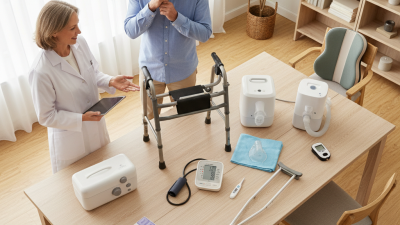
Take time to evaluate your lifestyle and daily challenges. This reflection will guide your choices. Involve healthcare professionals in the process. Their expertise can help you identify essential products tailored to your needs. Ultimately, selecting the right home medical products is about enhancing your quality of life, ensuring safety, and fostering independence at home.
Understanding Your Medical Needs and Conditions Before Selection
Understanding your medical needs is essential when selecting home medical products. Begin by evaluating your health condition. Consider any chronic illnesses, mobility issues, or specific symptoms. For instance, a person with arthritis may benefit from adaptive tools, while someone recovering from surgery might need durable medical equipment for assistance.
Consulting with healthcare professionals can provide valuable insights into your unique needs. They can suggest appropriate products based on your diagnosis and treatment plan. Additionally, take note of your living environment. Assess whether the space allows for easy use and storage of medical products. This step can help avoid frustration later on.
It’s important to reflect on your lifestyle. Some products may seem helpful but could become burdensome. Think about the usability and convenience. Are you likely to use it? Will it fit into your daily routine? The goal is to enhance your quality of life, not complicate it. Your choices should empower you to live more comfortably and confidently at home.
How to Choose the Best Home Medical Products for Your Needs?
| Product Category |
Common Uses |
Key Features |
Considerations |
| Blood Pressure Monitor |
Monitoring hypertension |
Automatic readings, memory storage |
Accuracy, ease of use |
| Glucose Meter |
Monitoring diabetes |
Fast results, small sample size |
Test strip costs, calibration |
| Pulse Oximeter |
Measuring oxygen saturation |
Portable, quick readings |
Nail polish interference, accuracy at low perfusion |
| Thermometer |
Monitoring fever |
Digital readout, fast response |
Type of thermometer, cleaning considerations |
| Nebulizer |
Delivering medication for asthma |
Easy to use, portable options |
Maintenance and cleaning, noise level |
Key Factors to Consider When Choosing Home Medical Products
Choosing home medical products can be overwhelming. Various factors influence your decision. Start by assessing your specific health needs. Consider any medical conditions requiring special equipment. Evaluate the space available in your home. Some devices take up more room than others.
Pay attention to product reviews. Feedback from other users can provide insights into reliability. Look for details about ease of use and comfort. This experience can guide your choice. Pay careful attention to instructions. Misunderstanding a product can lead to ineffective use.
Consult with healthcare professionals. Their expertise can help narrow down the options. Ask about recommended features that would suit you. Understand the benefits and drawbacks of each product. This knowledge empowers informed choices. Seek support from trusted sources. Engaging with experts fosters a sense of reliability in your decisions.
Evaluating Product Quality and Brand Reputation in Healthcare
When selecting home medical products, product quality and brand reputation are crucial. A survey from the Health Industry Distributors Association indicates that 78% of consumers prioritize brand reputation when making healthcare purchases. This underscores the importance of choosing products from reputable brands that adhere to established industry standards.
Product quality can be assessed through various factors. Regulatory certifications, such as FDA approvals or CE markings, can indicate a product's reliability. Moreover, consumer reviews and professional evaluations provide insights into the product's performance in real-world settings. A report by Consumer Reports found that 62% of users rely on reviews before purchasing medical devices. However, not all opinions are equal; it's vital to discern genuine reviews from those that may be biased.
Investing in high-quality medical products can prevent complications or ineffective care. A study published in the Journal of Healthcare Quality showed that subpar medical equipment can lead to increased hospital readmissions. This stark reality emphasizes the need for careful consideration of both quality and reputation. Consumers should continuously reflect on their choices and prioritize products that not only promise but also deliver effective healthcare solutions.
Exploring Essential Home Medical Devices and Their Uses
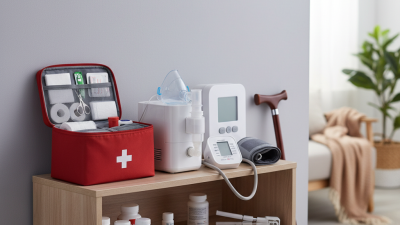
When it comes to home medical devices, understanding their specific uses is crucial. Devices like blood pressure monitors help track hypertension at home. Regular monitoring can provide vital information for managing health. They can also alert you to unusual changes, prompting timely medical consultations.
Another essential device is a pulse oximeter. This small gadget measures blood oxygen levels. It’s especially useful for individuals with respiratory issues. Using a pulse oximeter can help you identify worsening conditions quickly. Many people find it easy to use, yet might overlook its significance until an emergency arises.
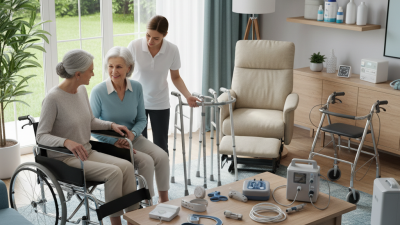
Consider also mobility aids, like walkers or canes. These tools improve stability and independence. They may require some adjustment for comfort and safety. It’s important to experiment and find what works best for you. Each device offers support, but there can be a learning curve. Balancing convenience with safety is key.
Essential Home Medical Devices and Their Uses
Assessing Cost-Effectiveness and Insurance Coverage for Products
When selecting home medical products, understanding cost-effectiveness is vital. Evaluate the price against features carefully. A lower cost may seem appealing, but consider durability and effectiveness. Cheaper options might require frequent replacements, increasing long-term costs. Moreover, factor in maintenance and accessories, which can add up.
Insurance coverage is another crucial aspect. Before you buy, check what your policy covers. Some insurance plans will reimburse specific products or equipment, reducing your out-of-pocket expenses. Communicate with your insurer for clarification. Sometimes, essential items may not be covered, leaving you with unexpected costs.
Rely on reliable resources for information. Peer-reviewed articles and expert opinions can guide your choice. However, even reputable sources may showcase biases. So, it’s imperative to cross-reference multiple sources. Listen to user reviews, too. These insights offer real-life experiences that statistics often miss. Yet, remember that individual needs vary widely, and what works for one may not work for another.