How to Choose the Best Handicap Equipment for Home Use?
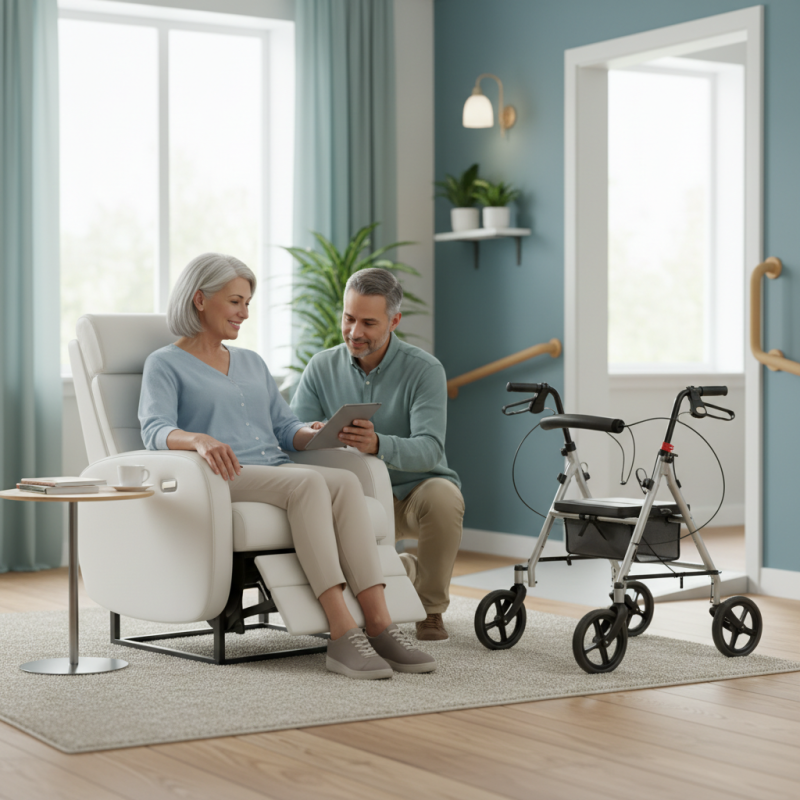
Choosing the right handicap equipment for home can be challenging. Many options are available, and each has unique features. Individuals must consider their specific needs and preferences.
When selecting handicap equipment for home, think about your daily activities. Is mobility your main concern? Or perhaps you need assistance with strength and stability? Evaluating your environment will greatly help in making the best choice.
It's also essential to reflect on the equipment's usability. Some products may seem appealing, but they might not work well in your space. Consider the layout and dimensions of your home. This decision can significantly enhance your comfort and independence.
Understanding Your Specific Needs for Handicap Equipment
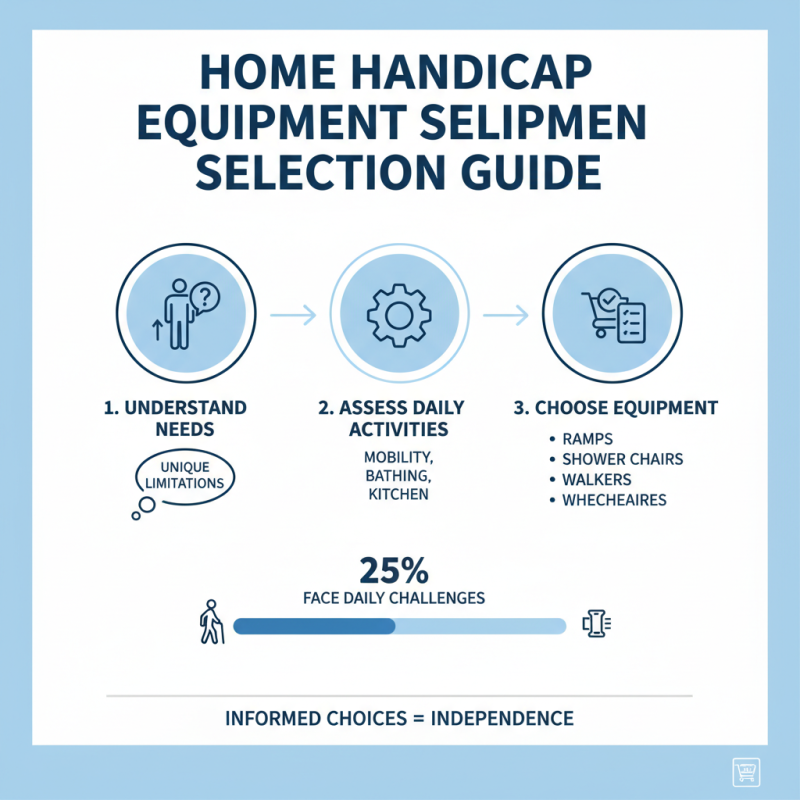
Selecting the right handicap equipment for home use starts with understanding your specific needs. Each person’s requirements can vary greatly. According to a recent industry report, approximately 25% of individuals with disabilities express difficulties in everyday activities. Knowing your unique limitations is essential to make informed choices.
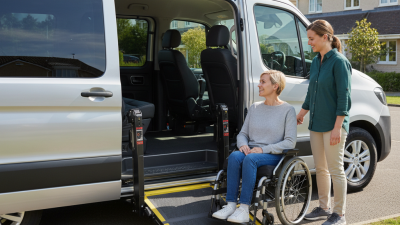
Consider the type of mobility you require. Do you need a walker, wheelchair, or a mobility scooter? Each option has advantages and disadvantages. For instance, wheelchairs provide substantial support but can limit movement outdoors. In contrast, scooters offer more freedom but may not suit tight indoor spaces.
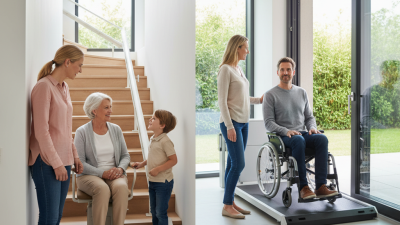
It's important to evaluate your home environment. Narrow doorways or stairs can complicate equipment use. Around 30% of users reported challenges in accessing their homes due to inadequate design. This highlights the need for adaptability in equipment. Reflect on these factors and ask yourself if the equipment truly fits your lifestyle. It’s a balance between functionality and comfort.
Assessing Available Space for Equipment in Your Home
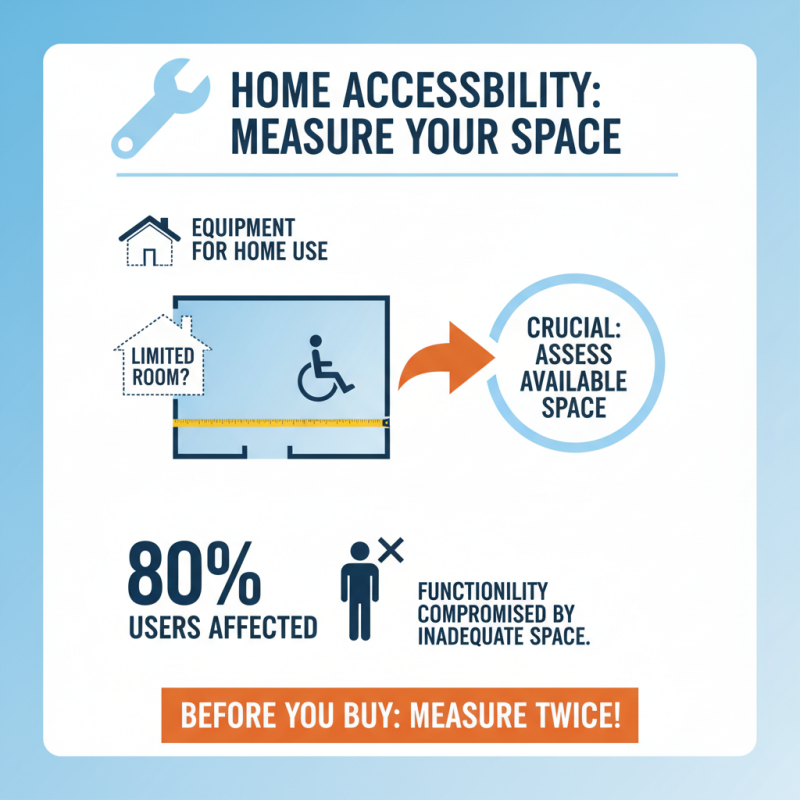
When choosing handicap equipment for home use, assessing available space is crucial. Many homes have limited room. For effective use, it’s essential to measure the space where the equipment will be. According to industry reports, approximately 80% of users find functionality affected by inadequate space.
Imagine a wheelchair lift in a crowded hallway. It might block access to other rooms. Planning the layout helps avoid such issues. Use tape to mark the area needed for equipment. This visual representation aids in understanding if the space is adequate. It’s recommended that you leave at least 3 feet of clearance around the equipment for safety.
**Tips:** Consider the height of your ceilings. Some equipment requires vertical clearance. If you live in a multi-story home, evaluate stair accessibility. Don’t forget about electrical outlets. Equipment often needs power, and that can influence placement. Reflect on any potential obstacles. A perfect setup might require adjustments to furniture or décor.
Comparing Different Types of Handicap Equipment
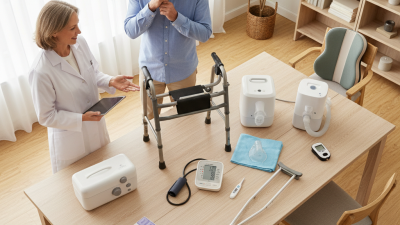
When selecting handicap equipment for home use, it’s important to compare different types. Mobility aids, such as walkers and wheelchairs, help individuals maintain independence. A report by the World Health Organization indicates that about 15% of the global population lives with some form of disability. This creates a strong demand for effective mobility solutions.
Choosing the right equipment can be overwhelming. For example, manual wheelchairs are lightweight, but they require physical effort to propel. Power wheelchairs offer ease of use but can be heavy and expensive. An aged care study reveals that over 30% of users prefer lightweight options due to ease of storage. Yet, the varying needs of each user must be considered.
Adjustable beds and shower chairs are also crucial for enhancing comfort and safety at home. They help reduce the risk of falls, which, according to research, are among the leading causes of hospital admissions in older adults. In contrast, some users find the complexity of adjustable features overwhelming. Balancing safety, comfort, and usability can be a challenge.
Comparison of Different Types of Handicap Equipment for Home Use
Evaluating Quality and Safety Features in Products
When choosing handicap equipment for home use, safety and quality are crucial. Look for equipment that has undergone rigorous testing. Sturdy construction is essential for everyday use. Ensure there are no sharp edges or parts that could cause injuries.
Tips: Always check for safety certifications. An absence of proper markings may indicate quality issues. Read reviews from other users to get insights into the product's reliability.
The equipment should also be easy to operate. Complicated mechanisms can lead to frustration. Think about how much space you have when selecting equipment. Equipment that is too large can become a hazard in small areas.
Tips: Consider adjustable options for flexibility. This can enhance comfort and accommodate different needs. Don’t hesitate to return products if they don’t meet your expectations. Remember, it’s okay to seek help in finding the right fit.
Budget Considerations for Home Handicap Equipment
When it comes to choosing handicap equipment for home use, budget is often a significant factor. Prices for equipment can vary widely. For example, simple grab bars can be quite affordable, while more complex devices may cost significantly more. This disparity can make it challenging to find what best suits your needs and financial situation.
Consider exploring options within your budget. It may be helpful to review different materials and features. For instance, lightweight foldable ramps might be easier to store but could also be pricier. Look for community resources or second-hand items that provide quality at a lower price. Assess the durability and safety of each option, as compromising on these could lead to higher costs in the long run.
Don’t forget about possible hidden costs. Installation might require additional expenses. Maintenance is another concern. Some equipment needs regular checks, which can add up. Reflect on the long-term value of your choices. Often, investing slightly more initially can save money and offer better support for years to come.