How to Choose the Best Orthodontic Adhesive System?
Choosing an Orthodontic Adhesive System involves careful consideration. The right adhesive can greatly influence treatment success. An effective adhesive ensures brackets bond securely to teeth. However, selecting the wrong system can lead to issues like bracket failure.
Multiple factors are at play when deciding on an Orthodontic Adhesive System. For instance, the material of the adhesive and how it interacts with the natural enamel matter significantly. Some products may be too weak, leading to detachment. Others may be overly strong, risking damage to enamel during removal.
Reflecting on personal experiences may help. Many orthodontists have faced dilemmas in choosing their adhesive systems. Some systems perform well, but the costs can be prohibitive. Thus, balancing quality with budget becomes essential. Ultimately, the best choice may vary from one practitioner to another, depending on their unique needs and patient cases.
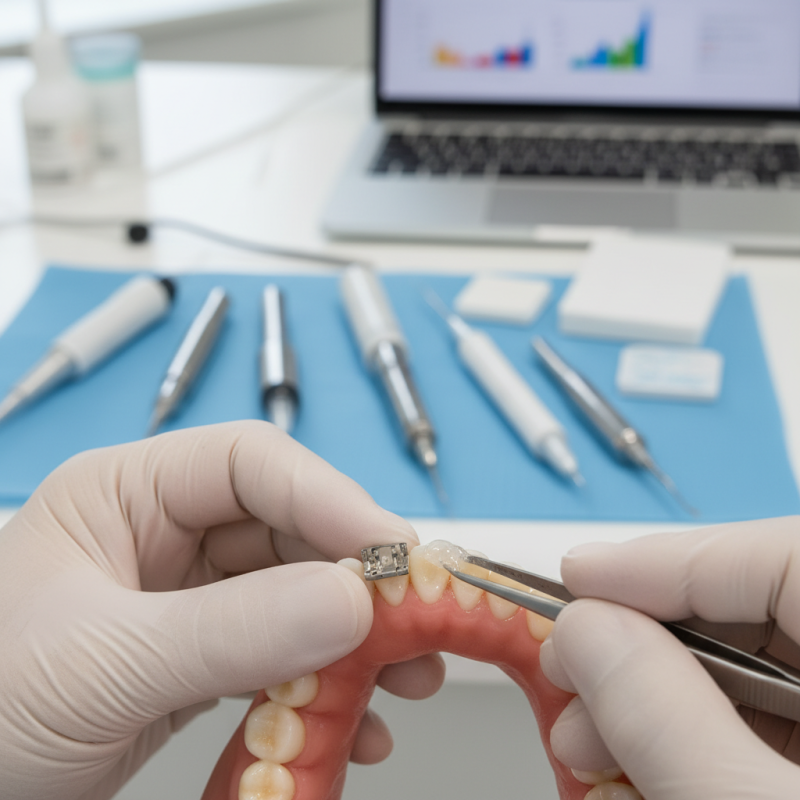
Understanding Orthodontic Adhesive Systems: Key Features to Consider
Choosing the right orthodontic adhesive system is crucial. It directly impacts treatment effectiveness. A few key features need your attention. One important aspect is bond strength. It determines how well brackets stay attached. A strong bond can enhance patient comfort and treatment efficiency.
Another factor to consider is ease of use. Some adhesives have a complicated application process. This can lead to errors and delays. User-friendly systems can ultimately save time and frustration. Look for products that offer clear instructions and quick setting times.
Duration of wear is also significant. Some adhesives show signs of degradation sooner than expected. This can hinder successful treatment. Regular assessments during the procedure can help identify issues early. Taking the time to reflect on each feature can lead to better outcomes for both patients and orthodontists. Careful selection will lead to improved satisfaction in the long run.
Types of Orthodontic Adhesive Systems Available in the Market
When choosing an orthodontic adhesive system, it's crucial to know the types available. There are several options on the market. One common type is the resin-based adhesive. This option offers strong bonding and is often used for braces and other appliances. Another type is glass ionomer adhesive. This option is known for its fluoride release and can be more forgiving in terms of technique. However, its bond strength may not be as high.
Another popular choice is the dual-cure adhesive system. It has both chemical and light-activated properties. This versatility can be beneficial, especially in complex cases. While these systems provide flexibility, they also have a learning curve. The choice can be overwhelming, and sometimes mistakes happen.
Tips: Test the adhesive when applying it. Ensure it flows correctly and bonds properly. It's also helpful to consider the working time, as some adhesives set faster than others. Don’t hesitate to ask colleagues for advice. They may have encountered similar challenges. Remember, it’s all about practice and refining your technique for the best results.
Evaluating the Bond Strength of Orthodontic Adhesives
When choosing an orthodontic adhesive system, bond strength is critical. It determines how well brackets attach to teeth. A strong bond ensures braces can withstand daily forces from chewing and speaking. Testing the bond strength requires specific methods. One common approach is shear bond strength testing, which assesses how much force the adhesive can endure before failure.
However, factors may influence these tests. For instance, operator technique plays a role. If the adhesive is applied unevenly, bond strength can weaken. The curing process is also vital; improper curing may result in subpar adhesion. Additionally, the type of surface treatment on the enamel can alter outcomes. Dental practitioners should always evaluate these variables.
Choosing the right adhesive goes beyond numbers. Observing how different adhesives perform in real-world settings is essential. Some may show high bond strength initially but fail over time. Regular reflections on bond performance can lead to improved practices. Stay informed and be open to adapting techniques based on outcomes.
Bond Strength of Different Orthodontic Adhesives
Assessing the Ease of Use and Application of Adhesive Systems
Choosing the right orthodontic adhesive system is essential for effective treatments. The ease of use and application can significantly impact the entire process. A system that is user-friendly saves time, which is always valuable in a clinical setting.
When evaluating adhesive systems, consider the application method. Some systems are delivered via syringes, while others may use pad systems. The syringe method often allows for more precise application. If you're not careful, though, it can create excess mess. Take time to practice with new systems on models.
**Tips:** Always check the viscosity of the adhesive. A thicker consistency may be challenging to work with but can provide strong bonding. Remember, a clean surface is key. Any debris can lead to bond failure.
Lastly, reflect on your personal experience with adhesive systems. Have you struggled with application in the past? Address these issues by seeking training or instructional resources. An understanding of troubleshooting common problems will help improve your efficiency and results. Each adhesive has unique traits that might suit different needs.
How to Choose the Best Orthodontic Adhesive System?
| Adhesive System | Ease of Use | Application Time (minutes) | Curing Method | Shear Bond Strength (MPa) |
| System A | Easy | 5 | Light Cure | 10.5 |
| System B | Moderate | 7 | Self Cure | 8.3 |
| System C | Difficult | 10 | Dual Cure | 12.0 |
| System D | Easy | 4 | Light Cure | 9.8 |
| System E | Moderate | 6 | Self Cure | 11.2 |
Considering Patient Safety and Material Compatibility in Adhesive Selection
Choosing the right orthodontic adhesive system is critical. Patient safety should always come first. It's important to assess the materials involved. Some adhesives can irritate oral tissues or cause allergic reactions. Ensuring compatibility with both the bracket material and the enamel is essential.
Different adhesives have varying strengths and formulations. Certain options might bond well but could be difficult to remove later. Patients might express discomfort if the wrong adhesive is chosen. Proper evaluation of each patient's unique needs is necessary. The adhesive should have a balance between durability and ease of removal.
Reflecting on past cases can reveal missteps in adhesive selection. It's easy to overlook how different materials interact. Continuous education on new products and their implications is vital. Collaborating with dental specialists helps make informed choices. Prioritizing safety and material compatibility leads to better outcomes for patients. Every decision matters in the realm of orthodontics.