How to Choose the Best Power Chairs and Scooters for Your Needs?
Choosing the right power chairs and scooters is essential for mobility and independence. With so many options, it’s easy to feel overwhelmed. These devices can impact daily life significantly. They provide freedom, yet selecting the best fit requires thoughtful consideration.
Assessing your unique needs is crucial. Some power chairs and scooters are designed for indoor use, while others thrive outdoors. Features such as weight capacity, battery life, and turning radius should be evaluated. Personal comfort and safety also matter greatly. A poorly chosen chair or scooter might create more challenges than it solves.
Moreover, understanding warranties and service options is vital. Reliable brands can offer support when issues arise. Researching user reviews can provide valuable insights. Learning from experiences of others can guide your decision, making the process less daunting. Ultimately, the goal is to enhance mobility and improve quality of life.
Understanding Power Chairs and Scooters: Key Differences
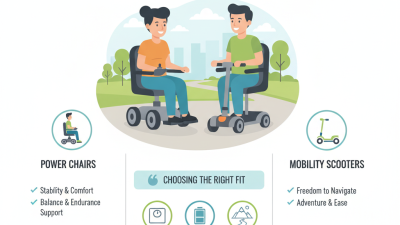
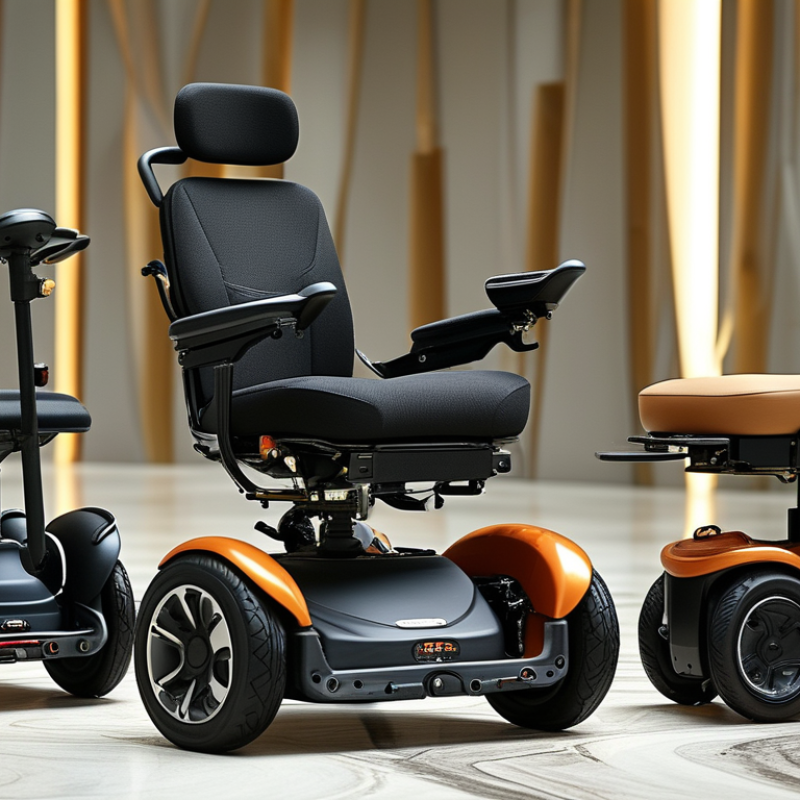
Power chairs and scooters serve distinct purposes, yet both enhance mobility for individuals with varying needs. Power chairs are ideal for users who require significant support while sitting. They often have a tighter turning radius, making them suitable for indoor use. Their adjustable seating and customized control options cater to unique physical challenges. In contrast, scooters are typically designed for outdoor activities. With a more robust structure and larger wheels, they provide better maneuverability on uneven surfaces.
Choosing between the two can be challenging. Consider your primary environment. If most activity happens indoors, a power chair may be more beneficial. However, if outdoor excursions are your priority, a scooter could be a better fit. Users often face dilemmas regarding comfort versus functionality. Power chairs, while comfortable, may lack the speed and range offered by scooters.
Reflection is essential when making a decision. Assess daily routines and personal preferences. Ignoring these factors could lead to dissatisfaction. Communication with healthcare professionals adds valuable insights. Their expertise ensures you choose a mobility aid that enhances your lifestyle. Balancing comfort, utility, and user needs ultimately guides the best choice for mobility solutions.
Evaluating Your Mobility Needs: Factors to Consider
Evaluating mobility needs is crucial when selecting power chairs and scooters. Start by assessing daily routines and environments. Do you navigate tight spaces? Consider a compact model. In fact, reports indicate that nearly 30% of users prioritize sizes that fit through narrow doorways. This can greatly enhance daily accessibility.
Next, evaluate your health conditions. Some individuals may require additional support due to balance issues or muscle weakness. A survey from the National Mobility Equipment Dealers Association highlighted that 65% of users report feeling more secure with adjustable seating. This feature can be beneficial for comfort and safety.
Battery life is another critical factor. Many users express frustration with models that need frequent recharging. A study found that over 40% of mobility device users experience limitations due to inadequate battery performance. Assess your travel distances to identify suitable options. Sometimes, it’s worth reflecting on the ease of transport as well. A cumbersome scooter can deter its use, impacting overall mobility independence.
Features and Specifications: What to Look for in a Power Chair
When choosing a power chair, consider its weight capacity. This feature significantly impacts usability. A chair that supports your weight comfortably ensures better stability and safety. Look for chairs that allow adjustments for a perfect fit.
Check the battery life and range. A power chair should travel adequate distances on a single charge. Short battery life can be frustrating. Consider how often you plan to use it throughout the day. Battery specifications are an essential aspect.
Tip: Always test chairs in a comfortable setting. Try different terrains to get a feel for handling. Also, assess the ease of operating controls. A user-friendly interface enhances the experience.
Evaluate seat comfort and adjustability. This feature determines how long you can use the chair without discomfort. Adequate cushion and back support are vital. A well-designed chair can influence your overall mobility experience.
Tip: Pay attention to the dimensions. Ensure the chair fits through doorways and larger spaces in your home. Measure beforehand to avoid surprises. If unsure, seek expert advice for your specific needs.
Assessing Comfort and Fit: Ensuring Optimal Seating and Support
Choosing the right power chair or scooter requires careful consideration of comfort and fit. It’s vital to assess how each model supports the body. Proper seating can prevent discomfort during long-term use. Look for adjustable features that accommodate various body shapes and sizes. A chair that hugs the contours of your body can make a significant difference.
Evaluate the material of the seat and backrest. Soft yet supportive padding is key. It should distribute body weight evenly. Check if the armrests are height-adjustable. This can help you maintain a natural posture. Make sure there’s proper lumbar support. This area is often neglected but essential for lower back health.
When testing a power chair, spend time in it. A few minutes may not reveal potential pressure points. Try moving around to ensure easy maneuverability. If something feels off, don’t ignore it. It’s crucial for long-term comfort. Sometimes, the most visually appealing options may not offer the best fit. Reflect on your specific needs before making a decision.
Budgeting for Mobility: Costs and Financial Assistance Options
Budgeting for mobility can be challenging. Power chairs and scooters vary greatly in price. Understand your budget before making a choice. Consider not just the purchase price but also maintenance costs. Some models require more upkeep than others. Look for options that may be more affordable long-term.
Financial assistance can ease the burden. Many organizations offer grants or low-interest loans for mobility devices. Some funds are available through non-profits or government programs. Research local resources for potential help. It can feel overwhelming at times, but you might find unexpected support.
Consider discussing your needs with a specialist. They can provide insights into available assistance. It's crucial to ask questions and seek further guidance. The right device can improve your life significantly, but financial planning is key. Reflecting on your options will help you choose wisely.