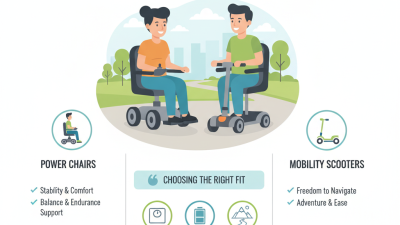
How to Choose the Best Power Chairs for Your Needs?
Choosing the right power chairs can significantly impact your mobility and quality of life. These mobility devices are designed to enhance independence for individuals with limited mobility. However, with so many options available, selecting the best power chair for your needs may seem overwhelming.
It is crucial to consider factors like comfort, weight capacity, and features tailored to your lifestyle. Power chairs differ in design and functionality. Some may provide better outdoor performance, while others excel indoors. Many users encounter issues with sizing or adjusting to the chair, and these challenges can affect overall satisfaction.
Researching and testing various models can be beneficial. Seek guidance from healthcare professionals or mobility experts. Their insights can lead to better decisions. Remember, the goal is to find a power chair that aligns with your daily activities and enhances your independence. Don't rush your choice; take the time to reflect on your unique requirements.
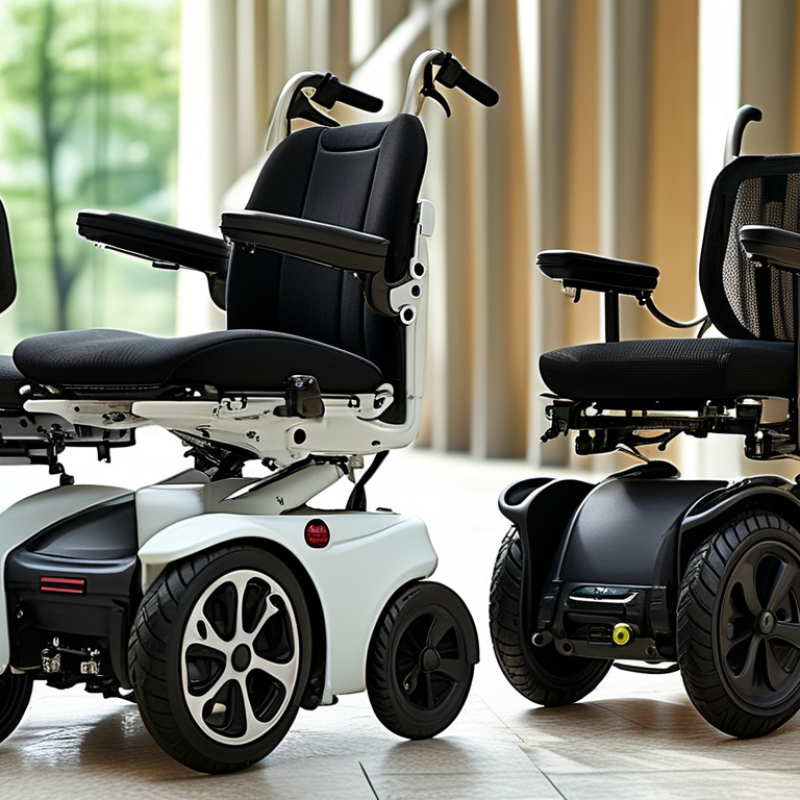
Understanding Your Mobility Needs and Preferences
Choosing the right power chair is crucial for enhancing your mobility and independence. Your unique needs should guide this decision. Consider your daily activities and how often you will use the chair. Will it be for short trips around the house or longer outings? Evaluating your lifestyle is key.
Weight capacity and chair dimensions matter greatly. A chair that is too small might not provide the necessary support. On the other hand, one that's too large could feel cumbersome. Reflect on comfort features, like seat width and cushion quality. These elements ensure a more enjoyable experience over time.
Remember to assess your mobility challenges. Do you have trouble navigating tight spaces? If so, a compact model may suit you best. Additionally, think about battery life. A chair with low battery durability might limit your activities. Ensuring reliability should be an important factor in your selection process.
Key Features to Consider in Power Chairs
When choosing a power chair, several key features demand your attention. Start with the seat comfort. A well-cushioned seat can make long hours manageable. Check for adjustable options, as everyone's needs differ. Height adjustability is also crucial, allowing users to find the perfect alignment for their body.
Next, consider the chair's weight capacity. Some chairs support heavier individuals, while others are designed for lighter users. A mismatch could lead to dissatisfaction or even safety risks. Look for dimensions that suit your living space and daily routines. The turning radius is another important factor. A tighter turn allows for easy navigation in small areas.
Battery life should not be overlooked. A power chair that runs out of battery quickly limits mobility. Ensure the range meets your daily activities. Also, review the ease of operation. Controls should be intuitive and accessible. For users with limited dexterity, alternative control methods might be necessary. Reflect on these aspects to ensure the best choice aligns with your needs.
Evaluating the Comfort and Fit of Power Chairs
When selecting a power chair, comfort and fit are critical factors. Research shows that up to 80% of individuals experience discomfort due to improper chair sizing. A well-fitted power chair should support the user's posture, prevent pressure sores, and allow for easy maneuverability. Measurements such as seat depth, width, and height are essential. For instance, the average seat width ranges from 18 to 24 inches, but personal needs vary significantly.
Evaluating comfort also involves assessing the chair's cushioning and materials. According to a 2022 study from the National Mobility Equipment Dealers Association, users prioritize soft yet supportive cushioning in their chairs. Mesh fabrics enhance breathability, while memory foam adapts to body shape. Potential users must consider their daily activities and weight distribution across the chair. The chair should enable a comfortable sitting position for extended periods.
Physical evaluations in-store can provide crucial insights. Trial periods allow users to identify issues that may not be apparent during short assessments. Without proper testing, users might overlook significant fit and comfort issues. The decision process should not be rushed. Take the time to reflect on experiences with previous chairs, as they can shape expectations for a new purchase. Every individual's needs differ, making careful consideration vital.
Assessing Battery Life and Range for Daily Use
When selecting a power chair, battery life and range are crucial aspects to consider. A device that cannot keep up with your daily routine can lead to frustration. Evaluating the distance a power chair can travel on a full charge is essential for maintaining independence. Many models range from five to fifteen miles, but your personal mobility needs will dictate the ideal choice.
Another vital factor is battery life. Batteries should provide enough power for your daily activities. Look for options that maintain performance over time without needing frequent recharges. It’s important to remember that battery performance can degrade, so understanding warranty details can provide insights into longevity.
However, it’s easy to overlook the significance of terrain and usage patterns. A chair suitable for city dwellers may not perform well in rural areas. Reflecting on where you’ll primarily use the chair can guide your choice. Be cautious of overstating your daily requirements; sometimes, less is more when it comes to range. Choose wisely to enhance your mobility experience.
Battery Life and Range of Power Chairs
Exploring Budget Options and Financing Solutions
Choosing the right power chair involves understanding your budget options and financing solutions. A recent industry report indicates that the average cost of a power chair can range from $2,000 to $15,000, depending on features. This price variation can create challenges for individuals needing mobility assistance.
Many people are unaware of financing options available. Some healthcare providers offer payment plans, reducing the upfront cost burden. Medicare may cover part of the expenses, provided specific criteria are met. According to a survey by a leading mobility association, around 70% of individuals resort to financing to afford their mobility aids. Knowing all available options can ease the financial strain.
Unrealistic budgeting can lead to missed opportunities. Some may prioritize aesthetics over functionality, which may not serve their needs long-term. It's vital to reflect on your unique requirements before making a decision. Budgeting mistakes can happen. Take time to assess all factors, including maintenance costs and warranties, to avoid regret later.
How to Choose the Best Power Chairs for Your Needs? - Exploring Budget Options and Financing Solutions
| Feature |
Budget Option |
Mid-Range Option |
Premium Option |
| Weight Capacity |
250 lbs |
300 lbs |
450 lbs |
| Battery Life |
8 hours |
12 hours |
24 hours |
| Speed |
4 mph |
5 mph |
8 mph |
| Range Per Charge |
15 miles |
20 miles |
30 miles |
| Turning Radius |
30 inches |
25 inches |
20 inches |
| Price Range |
$1,500 - $2,500 |
$3,000 - $5,000 |
$6,000 - $10,000 |