How to Choose the Best Wheel Chair Ramps for Your Needs?
Choosing the right wheel chair ramps is crucial for enhancing mobility. The global demand for wheelchair ramps is growing due to an aging population and increased awareness of accessibility needs. In fact, the market for disability aids is projected to reach USD 17 billion by 2025.
When selecting wheel chair ramps, consider factors such as material, length, and weight capacity. Aluminum and wood are common materials, but their durability can vary. A ramp too steep may be hazardous, while one too short may not serve its purpose effectively.
User feedback often highlights issues with ramp stability and portability. Many ramps do not fit all types of wheelchairs or users. Real-life testing, rather than just specifications, is essential to ensure safety and usability. Regularly reflecting on these experiences can lead to better choices for those in need.
Understanding Different Types of Wheelchair Ramps Available in the Market
Choosing the right wheelchair ramp is crucial for accessibility. Different types of ramps serve various purposes. Portable ramps are easy to move and store. They are great for temporary needs. These ramps often support up to 800 pounds, making them suitable for most users.
Permanent ramps, typically made of aluminum or wood, are designed for long-term use. They can be custom-built for specific spaces. A report by the National Institute on Disability states that nearly 3.6 million Americans use wheelchairs. This highlights the importance of reliable ramp options.
Threshold ramps are smaller and ideal for doorways. They ease transitions between different surfaces. Users should consider the height of the step when selecting a ramp. Some ramps have weight limits that may not accommodate larger individuals. Evaluating your specific needs will improve comfort and safety.
Comparison of Different Types of Wheelchair Ramps
Assessing Your Specific Needs for Wheelchair Ramp Selection
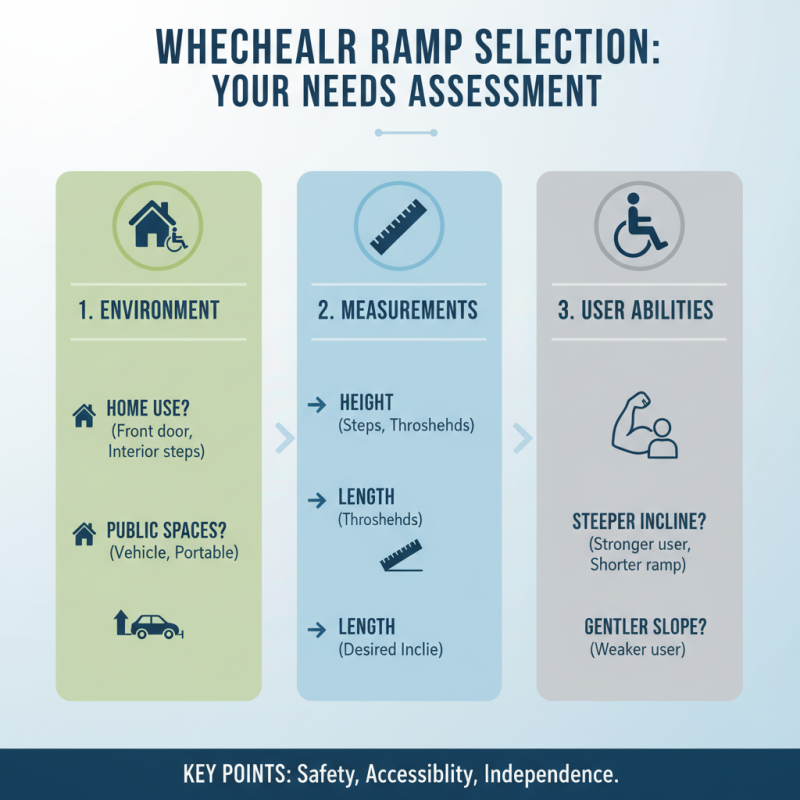
Choosing the right wheelchair ramp requires careful consideration of your specific needs. Begin by assessing the environment. Is the ramp primarily for home use or for public spaces? Measure the height of the steps or thresholds you need to navigate. Take notes on the incline, as some individuals may struggle with steeper ramps.
Next, think about the materials. Some ramps are made from lightweight aluminum, while others are sturdier but heavier. Consider which option makes it easier for you to move the ramp when needed. Evaluate the width as well. If your wheelchair is wider than average, a ramp that feels tight might feel daunting.
Don't forget to test different ramps. This might involve trial and error, which can be frustrating but enlightening. An ill-fitting ramp can lead to safety concerns. Reflect on your daily routine. If you're frequently on the go, portability becomes crucial. Finding a balance between durability and convenience may require revisiting your needs over time. Each choice will shape your mobility experience distinctly.
Evaluating Materials and Durability for Long-Lasting Use
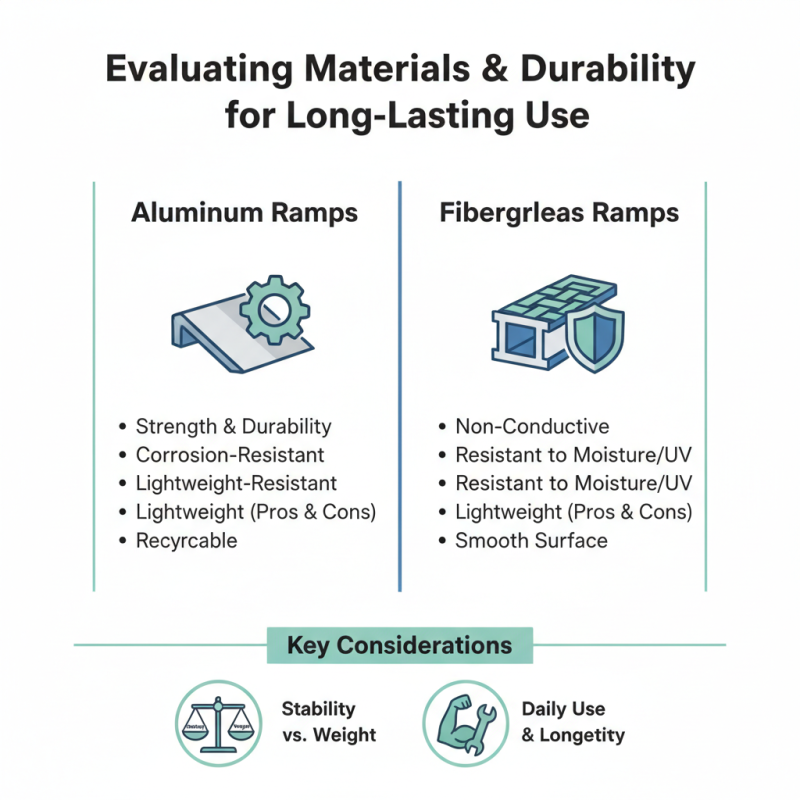
When choosing a wheelchair ramp, materials and durability are critical factors. A ramp made of durable materials will withstand daily use. Aluminum and fiberglass are popular choices. They provide strength without excessive weight. However, while lightweight is a benefit, it can also be a drawback. Some lightweight ramps may lack stability.
Consider the environment where the ramp will be used. For outdoor use, it requires additional weather resistance. A ramp exposed to the elements can deteriorate quickly. Concrete ramps may seem sturdy but can crack with temperature changes. This long-term wear is something to think about.
Reflect on the ramp's intended use. Will it often support heavy loads? If yes, heavy-duty options are beneficial. While they may cost more upfront, over time, they save money on replacements. Even if a ramp appears robust, regular inspections are necessary. Signs of wear indicate potential issues. Don't overlook these details, as they play a vital role in ensuring your ramp remains safe and functional.
Considerations for Space and Accessibility in Your Environment
When choosing a wheelchair ramp, space and accessibility are critical factors. Many homes and public areas lack adequate space for proper ramp placement. According to the U.S. Access Board, wheelchair ramps must adhere to specific slope ratios. A slope ratio of 1:12 is a common standard. If there is limited space, this can lead to steep ramps that are difficult to navigate.
Consider the width of the ramp. It should accommodate the wheelchair and allow for additional space. A minimum width of 36 inches is recommended to ensure safe passage. However, many ramps fall short of this specification, creating tight squeezes in busy environments. Don’t overlook the landing area at the top and bottom of the ramp. Insufficient landing space can lead to accidents and can restrict access.
Reflect on the material of the ramp as well. Some surfaces become slippery when wet. The Americans with Disabilities Act (ADA) suggests using materials that provide traction. Yet, many ramps are made of smooth metal or wood, which can be a hazard in rain or snow. Assessing these factors within your environment is essential, even if it requires a re-evaluation of existing setups.
How to Choose the Best Wheel Chair Ramps for Your Needs?
| Ramp Type |
Material |
Weight Capacity |
Length |
Slope Ratio |
Portability |
Cost |
| Folding Ramp |
Aluminum |
600 lbs |
6 ft |
1:6 |
Yes |
$150 |
| Threshold Ramp |
Rubber |
1,000 lbs |
2 ft |
1:12 |
No |
$50 |
| Portable Ramp |
Steel |
800 lbs |
8 ft |
1:7 |
Yes |
$200 |
| Roll-Up Ramp |
Aluminum |
500 lbs |
10 ft |
1:6 |
Yes |
$250 |
Safety Features to Look for When Choosing Wheelchair Ramps
When selecting wheelchair ramps, safety features are crucial. Start with grips. A surface with good traction minimizes slips. Look for ramps with textured surfaces. They provide better control during use. Additionally, side rails can prevent falls. These not only support users but also give peace of mind.
Check the load capacity too. A ramp should handle the weight of the user and their equipment. Some ramps may look sturdy but fail under pressure. Choosing a ramp with a significant safety margin is wise. Don’t forget about the incline. A steep ramp can be dangerous. Aim for a gentle slope for easier navigation.
Some designs may appear sleek but lack essential features. They might look appealing yet provide little stability. Reflect on your environment as well. Where will the ramp be used? Is it a temporary situation or permanent? Finding the right ramp requires you to consider various safety features. It involves balancing aesthetics with functionality. Ensure you prioritize safety above all.