How to Choose the Right Wheel Chair for Your Needs?
Choosing the right wheel chair can significantly impact your quality of life. It's not just about mobility; it's about comfort and independence. Many options are available, making the selection process overwhelming.
Consider your daily needs. Will you use the wheel chair indoors, outdoors, or both? Each environment requires different features. For instance, a lightweight chair may work well in tight spaces. Meanwhile, a more robust model could be necessary for outdoor use.
Personal preferences matter too. Some users prefer a cushioned seat for extended sitting, while others may prioritize portability. Reflect on your style and comfort, keeping in mind that the perfect wheel chair for one person may not suit someone else.
Assessing Personal Mobility Needs and Lifestyle
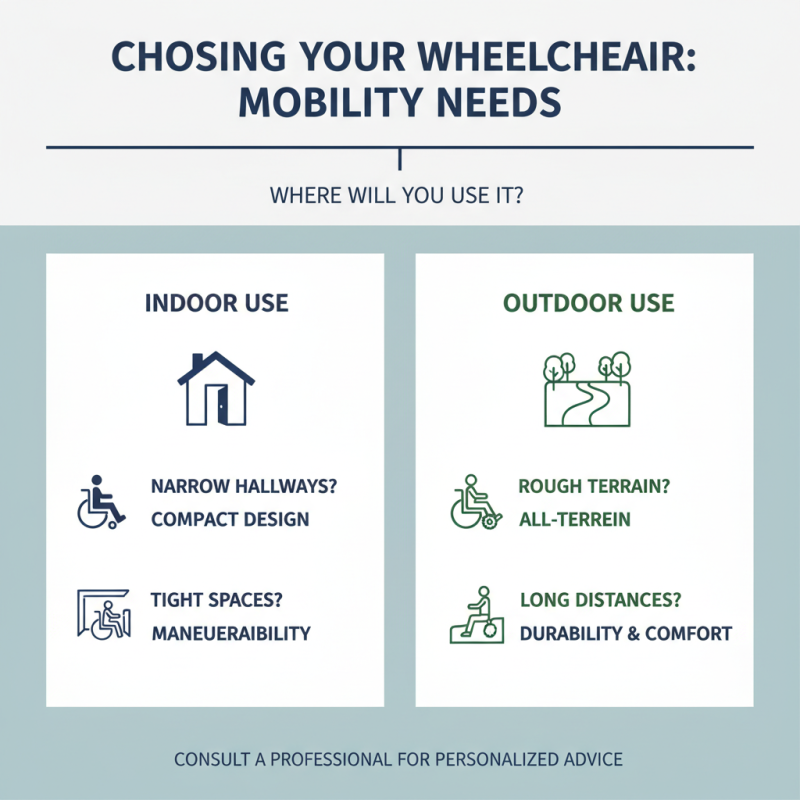
Choosing the right wheelchair starts with understanding your personal mobility needs. Think about where you will use it most. Is it for indoor spaces, or will you be outdoors often? Each setting requires different features. For narrow hallways, a compact wheelchair may be best. For parks, a sturdy, all-terrain option can make a difference.
Consider your lifestyle as well. Are you active, needing a wheelchair for sports or daily outings? Or do you require something more stable for home use? Look at how often you travel. Some wheelchairs fold easily for transport, making them convenient for trips. However, they might sacrifice comfort. Reflect on how comfortable you feel sitting for long periods. A well-padded seat can be essential for your health.
Think about your personal preferences too. Bright colors or minimalist designs can express personality. It's normal to feel overwhelmed, but don't rush the decision. This is an important choice that affects daily life. Try different models, test features, and see what feels right for you. Listen to your gut instincts as you make this personal choice.
Understanding Different Types of Wheelchairs Available
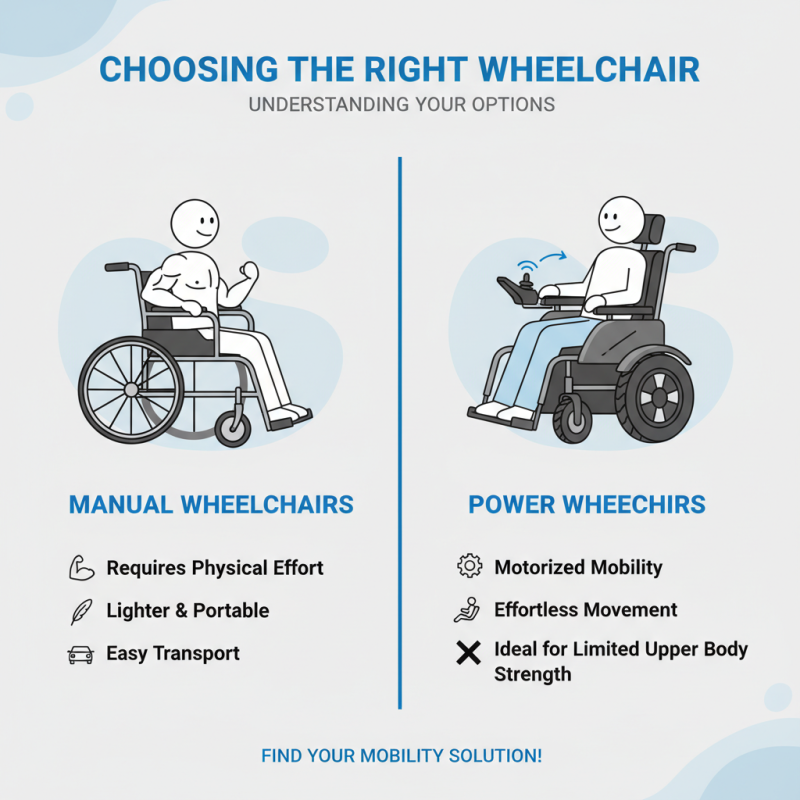
Choosing the right wheelchair starts with understanding the types available. Manual wheelchairs require physical effort. They are generally lighter, which makes them easier to transport. Power wheelchairs, on the other hand, offer motorized mobility. They are ideal for users who need assistance with movement but may not have the upper body strength to propel a manual chair.
There are also specialized options. Tilt-in-space wheelchairs help users who need pressure relief. These chairs can change positions, promoting comfort. Sports wheelchairs cater to active individuals. They are designed for specific sports and can enhance performance.
However, selecting the right one can be confusing. Many users often overlook their specific needs. A chair that's perfect for one person may not suit another. It’s essential to reflect on daily activities. Consider factors like transport, storage, and ease of use. Remember, choosing a wheelchair is not just about function; it’s about enhancing quality of life.
Evaluating Wheelchair Features: Comfort, Portability, and Durability
Choosing the right wheelchair can significantly impact one’s daily life. Comfort is a top priority. A report from the National Mobility Equipment Dealers Association highlights that 78% of users cite comfort as critical for prolonged use. Cushioned seating and adjustable parts can enhance the experience. Finding a wheelchair with a comfortable fit may require personal testing.
Portability is another key feature. Many individuals need to transport their wheelchairs frequently. The same report notes that 65% of users found lightweight models easier to manage. Foldable designs are popular, as they offer convenience for travel. Make sure to check the weight capacity, as higher durability often means heavier models.
Durability shouldn't be overlooked. Wheelchairs can face wear and tear. According to industry studies, users expect chairs to last at least five years with proper maintenance. However, not all materials hold up equally. Users need to consider their needs and environments. Questions arise regarding the balance between weight and robustness. It's essential to weigh the trade-offs carefully.
Consulting with Healthcare Professionals for Recommendations
Choosing the right wheelchair can be overwhelming. Consulting with healthcare professionals is crucial in this decision-making process. They provide insights based on your specific condition and lifestyle. A physical therapist can assess your mobility needs and recommend the right style. This personalized approach ensures that comfort and usability are prioritized.
When seeking advice, don't hesitate to ask questions. What features should you consider? Which wheelchair suits your daily environment? Listen to their recommendations closely. They often provide guidance about essential features, such as size, weight, and material. Be open about your preferences and limitations.
Tips: Always try before buying. A test run can reveal if it fits your needs. Assess how easy it is to maneuver. Be aware that not every wheelchair feels comfortable at first. It may take time to adapt. Collaboration with professionals helps prevent costly mistakes later. Your wheelchair should cater to your unique daily demands.
How to Choose the Right Wheel Chair for Your Needs?
| Feature |
Options |
Recommendations |
| Wheelchair Type |
Manual, Electric, Lightweight, Sports |
Consult with a physical therapist for suitability |
| Seat Width |
16", 18", 20" |
Ensure proper fit for comfort |
| Weight Capacity |
250 lbs, 300 lbs, 400 lbs |
Assess user’s weight accurately |
| Portability |
Folding, Rigid |
Evaluate transport needs |
| Adjustable Features |
Armrests, Footrests, Backrest |
Check for customization based on user comfort |
| Additional Accessories |
Cushions, Trays, Safety Belts |
Ask healthcare providers for useful accessories |
Trialing Wheelchairs: Ensuring the Right Fit and Functionality
Trialing wheelchairs is essential for finding the right fit and functionality. Individuals should spend adequate time testing options. Research shows that nearly 70% of wheelchair users report discomfort when the fit is not correct. This highlights the importance of personalized trials.
During a trial, users must evaluate comfort, support, and maneuverability. Consider different surfaces, like gravel or carpet. Wheels should respond well to varying terrains. Reports indicate that about 30% of users struggle with wheels that are not suited for their environment. It’s crucial to test turning angles, too. Many overlook this aspect until faced with tight spaces.
Additionally, collecting feedback is vital. Friends, family, or caregivers can provide insights overlooked by the user. Roughly 40% of users report challenges that family members easily identify. Documenting these observations can guide adjustments. Often, users rush through trials, ignoring minor discomforts that could lead to bigger issues later. Sensitivity to fit nuances matters greatly.
Wheelchair Features and Preferences Survey Results
This chart illustrates the preferences of users based on essential wheelchair features such as Comfort, Weight, Durability, Adjustability, and Price. Higher ratings indicate greater importance to users when selecting a wheelchair.