How to Choose Zebra Window Blinds in 2026?
Choosing Zebra Window Blinds in 2026 involves more than matching fabric colors to a room. These dual-layer shades combine alternating sheer and solid bands, allowing homeowners to adjust daylight and privacy with a smooth chain or motorized control. A bright living room may need soft morning light, while a bedroom benefits from tighter light control. Small details matter.
Practical selection starts with accurate window measurements. Measure the width at the top, middle, and bottom, because older frames are not always perfectly square. Check fabric openness, cassette design, mounting depth, and operating direction. Motorized options can support daily comfort, but battery life, control compatibility, and installation quality deserve careful attention. Certified product information and clear warranty terms are more reliable than attractive marketing claims.
Experience also reveals a limitation. Zebra blinds may reduce glare, but they rarely create complete darkness without an additional blackout layer. Dust can collect along the fabric bands, especially near open windows. Regular gentle cleaning helps preserve their appearance. It is easy to focus on style and forget maintenance. That mistake can become expensive.
This guide explains how to compare Zebra Window Blinds for different rooms, budgets, and daylight conditions in 2026. It considers fabric performance, safety, measurements, smart-home features, and long-term value. The best choice should feel practical every morning, not merely impressive in a product photograph. That difference matters.
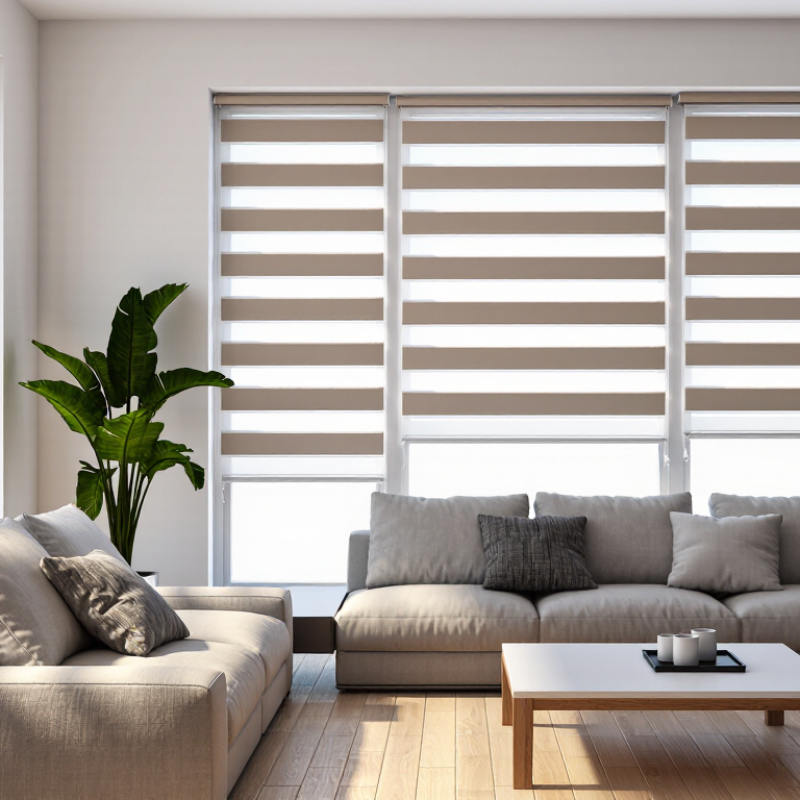
Understanding Zebra Window Blind Design and Light Control
Choosing zebra window blinds in 2026 starts with understanding their alternating sheer and opaque fabric bands. The design allows daylight to filter through without fully opening the window. Align the sheer sections for soft illumination, then overlap the solid bands for privacy and glare reduction. I have found this adjustment useful near desks, televisions, and south-facing glass.
Light control is not only about comfort. The International Energy Agency reports that buildings consumed about 30% of global final energy in 2022. Better shading can reduce cooling demand by limiting direct solar heat.
The U.S. Department of Energy’s Whole Building Design Guide also indicates that effective daylighting strategies may reduce lighting energy use by roughly 20% to 40%. Results vary with climate, glazing, and user habits.
Measure carefully. Fabric width, window recess depth, and chain or motor clearance affect daily operation. Choose a lighter fabric for gentle daylight, or a denser weave for stronger privacy. Blackout performance should be checked at the edges, because side gaps can still admit bright morning light. Very dark rooms need more than zebra blinds alone. I would not trust a showroom sample completely; view the fabric beside your actual window at noon and after sunset. That small test often reveals an imperfect choice.
Identifying the Right Blind Size and Mounting Method
Choosing the right zebra window blind begins with accurate measurements, not attractive fabric samples. Measure the window width at the top, middle, and bottom. Record the smallest width for an inside mount. Measure the height from the top recess to the sill. Measure twice. Small gaps matter.
An inside mount creates a clean, built-in appearance and preserves the window frame. Confirm that the recess has enough depth for the headrail and fabric roll. Uneven frames can cause rubbing or light leakage. An outside mount works better when the recess is shallow, angled, or obstructed. Extend the blind beyond the opening to reduce side light. A practical overlap is often several centimeters, but the product instructions should control the final size.
Mounting surfaces deserve equal attention. Wood, plaster, and masonry may require different anchors and screws. Check for pipes, wiring, and weak trim before drilling. I once trusted a perfectly measured window and ignored a sloping sill. The blind fit, but the lower edge looked visibly uneven. That mistake changed my process. I now inspect the wall, frame, handle clearance, and nearby furniture before ordering. A level, steel tape, pencil, and paper template can prevent expensive corrections. When unsure, ask a qualified installer to verify both the measurements and the mounting surface.
How to Choose Zebra Window Blinds in 2026? — Identifying the Right Blind Size and Mounting Method
This example shows how three opening measurements can guide the blind width. For an inside mount, the narrowest measurement is used and a small deduction is applied to allow clearance. For an outside mount, the blind is made wider than the opening to provide side overlap and reduce light gaps. Always confirm the deduction, overlap, and installation clearance required by the selected hardware.
Comparing Fabric Opacity, Privacy, and Insulation
How to Choose Zebra Window Blinds in 2026?
Fabric opacity controls how much daylight enters and how clearly people can see inside. Sheer bands soften sunlight, while opaque bands block stronger glare. For bedrooms, choose denser fabric and align the opaque sections at night. However, zebra blinds are not complete blackout coverings. Small gaps may still show around the edges.
Privacy changes with lighting. During the day, a semi-sheer fabric can protect interiors while keeping rooms bright. After sunset, indoor lights may reveal silhouettes through lighter materials. Insulation also depends on fabric thickness, window size, and installation quality. A close fit reduces drafts, but these blinds usually provide moderate insulation rather than dramatic energy savings. I once focused too heavily on color and underestimated evening privacy. That was a useful mistake.
Tips: Hold fabric samples near your window at different times. Check them in direct sun and under indoor lighting. For cold rooms, choose a heavier weave and install the blind close to the glass. Leave enough space for smooth operation. A darker fabric may improve glare control, but it can make a small room feel heavier. Consider that trade-off carefully.