Top Clothing Donation Drop Off Bin Types for Global Buyers
Global buyers need more than a container when selecting a Clothing Donation Drop Off Bin. They need a practical collection system that protects garments, supports donors, and fits local conditions. A bin placed beside a busy supermarket faces different demands from one installed near an apartment complex.
The main options include steel wheeled bins, weather-resistant outdoor units, indoor collection boxes, and secure branded containers. Each type serves a clear purpose. Steel models can handle frequent collection and heavy clothing loads. Covered bins help keep rain away from donated coats and shoes. Indoor boxes suit schools, offices, and retail spaces with controlled access. Lockable designs reduce tampering and encourage public confidence.
Ellen MacArthur, a leading circular-economy expert, has said, “Waste is a design flaw.” Her statement is highly relevant here. Poorly designed bins can create wet textiles, blocked openings, overflowing bags, and avoidable transport costs. Small details matter. A low deposit slot helps children and older donors. Rounded edges improve safety. Clear labels reduce contamination from household rubbish.
No single bin fits every market. That is worth admitting. Buyers must compare capacity, drainage, access control, branding space, collection frequency, and maintenance needs. A bright red bin may attract attention, but durability matters more than appearance. The best choice balances user experience with long-term operating costs. It should remain clean, stable, accessible, and easy to empty. Careful planning turns a simple donation point into a dependable link within the textile reuse chain.
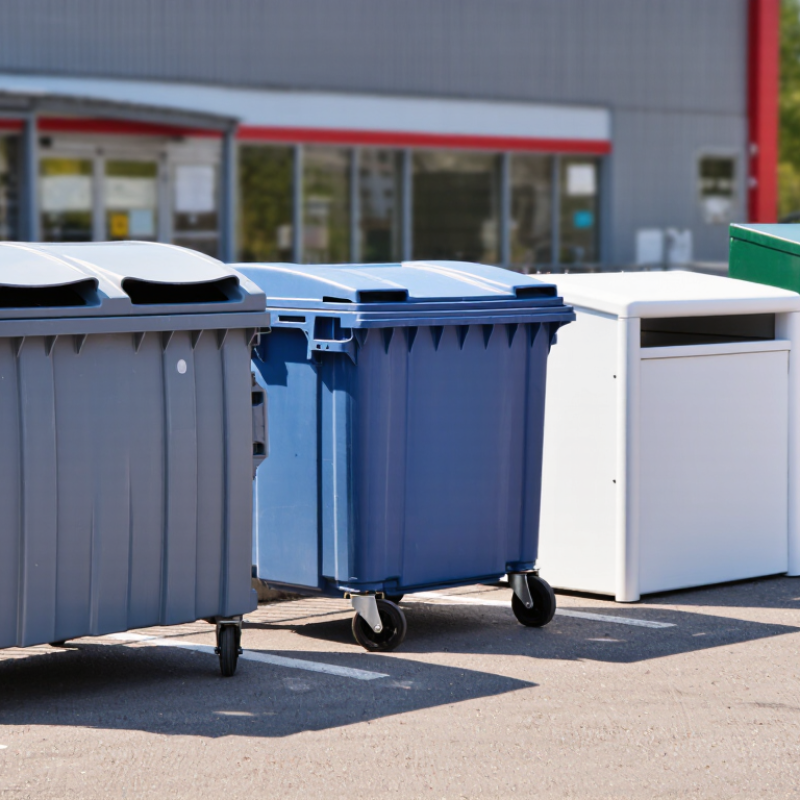
Classifying Donation Bins Against EPA’s 17.0-Million-Ton Textile Baseline
Top Clothing Donation Drop Off Bin Types for Global Buyers
Classifying donation bins against the EPA’s 17.0-million-ton textile baseline requires careful measurement. The figure describes textile waste in the United States, not global clothing disposal. It offers a useful reference point, but buyers should not treat it as a universal market size. Record whether each bin receives clothing, shoes, household textiles, or mixed materials.
Indoor collection bins suit malls, schools, and staffed community centers. They usually protect donations from rain and reduce contamination. Outdoor steel bins handle heavier traffic and larger volumes. They need sealed openings, drainage control, and stable anchoring. Secure bins with narrow slots can limit dumping, but they may reject bulky coats or bags. That trade-off matters.
A practical classification can use three labels: capacity access material protection. For example, a 2-cubic-yard outdoor bin may support high-volume collection, while a compact indoor unit fits a reception area. Inspect hinges, sharp edges, floor anchors, and label visibility before purchase. Clear instructions should show clean, bagged clothing only. Small details matter.
Comparisons become imperfect when countries measure textile waste differently. I have found that volume alone can mislead buyers. A full bin may contain lightweight garments, wet fabric, or unusable items. Weighing sample loads and tracking contamination rates creates stronger evidence. The EPA baseline can guide planning, but local audits should decide the final bin mix.
Comparing Indoor, Outdoor, and Secure Bins by Collection-Access Needs
For global buyers, clothing donation bins should match how people approach, sort, and access collections. Indoor bins work well in malls, schools, and staffed community centers. They stay dry and are easier to inspect. Staff can answer questions and notice overfilled bags. This access supports cleaner donations and more consistent records. Yet indoor placement depends on opening hours and available floor space. A locked room is not always convenient.
Outdoor bins serve neighborhoods with late-night or weekend access. Choose weather-resistant steel, covered openings, and a stable base. A narrow intake reduces rain exposure and discourages oversized bags. Collection vehicles also need clear approach routes. In my field observations, bins beside bright entrances receive more use than hidden units. That helps, but visibility alone does not prevent misuse. Outdoor access can create overflow when pickup schedules are too slow. Buyers should test local traffic patterns before ordering large quantities.
Secure bins suit offices, residential buildings, and managed campuses needing controlled access. Lockable doors, tamper-resistant hinges, and internal liners help protect donations during holding. Some units use staff-only access, while others accept public deposits and restrict retrieval. The right design depends on who collects, when, and how often. Ask for service logs, material specifications, and cleaning procedures. A polished specification sheet is not proof of performance. Pilot one location first, then revise placement or pickup frequency.
Top Clothing Donation Drop-Off Bin Types for Global Buyers
Comparing indoor, outdoor, and secure bins by collection-access needs
Scores use a practical 1–5 suitability scale based on typical bin characteristics: indoor units prioritize convenience and easy access, outdoor units emphasize weather resistance and placement flexibility, and secure units prioritize controlled access and protection against unauthorized removal.
Selecting Bin Capacity and Pickup Cycles from Fill-Rate and Weight Data
Choosing a clothing donation bin starts with evidence, not appearance. In field operations, a 2.5-cubic-yard bin may fill differently across locations. A busy transit area can reach 80% capacity in four days. A quiet community site may need three weeks. Record fill levels at fixed intervals, preferably before collection. Use photos, volume readings, and collection dates. Small errors matter.
Weight data adds a second perspective. Clothing is bulky, yet its weight changes with fabric mix and moisture. A full bin of light summer garments may weigh less than a half-full bin of coats. Place a calibrated floor scale beneath the container during scheduled servicing. Compare average weight per cubic yard across at least six pickups. This prevents capacity decisions based only on visual fullness. Data can still mislead when staff estimate levels inconsistently. The model will not be perfect.
Set pickup cycles around both thresholds: 75–85% visual fill and a safe working weight. A site reaching 80% in five days may need weekly service. A dense winter load may require earlier collection. Leave room for unpredictable donation surges. Weather, local events, and seasonal moves can distort patterns. Review the schedule monthly and question unusual results. A smaller bin with frequent pickups can outperform a large bin with irregular service, but transport costs may rise. Test one adjustment at a time, then compare overflow, labor hours, and recovered material quality.
Checking Global Compliance with EN 840, ISO 9001, and Accessibility Criteria
Top Clothing Donation Drop-Off Bin Types for Global Buyers
Global buyers should treat EN 840 as a technical checkpoint, not a complete approval. The standard covers mobile waste containers, including dimensions, stability, lifting interfaces, wheels, and safety performance. For a clothing donation bin, inspect the lid, loading aperture, castors, and anchoring points. A 1,100-litre container may fit a collection route, but its opening could be uncomfortable for shorter users or wheelchair users. Measure it.
The 2024 UNEP Global Waste Management Outlook estimates that municipal solid waste could rise from 2.3 billion tonnes in 2023 to 3.8 billion tonnes by 2050. This pressure makes durable collection equipment more important. ISO 9001 can support consistent purchasing, welding, inspection, and corrective-action procedures. However, certification alone does not prove a bin is accessible or weather-resistant. The ISO Survey 2022 recorded about 1.27 million ISO 9001 certificates worldwide, yet quality still depends on the certified process scope.
Accessibility checks should include clear ground space, reachable handles, low operating force, readable labels, and strong colour contrast. Local disability standards may add different requirements. Ask for dimensional drawings, load-test records, material specifications, and current certificates. Check whether EN 840 testing covers the actual bin configuration, not just a similar model. A checklist helps.
It can still miss real use.
Test a sample at a pavement, beside a kerb, and under rain. Observe whether a seated user can identify the opening and insert clothing without twisting. Global compliance is often less tidy than a sales document suggests.
Measuring Reuse Impact Using WRAP’s 20–30% Clothing-Life Extension Finding
For global buyers, clothing donation drop-off bins should support reuse, not merely collect volume. Enclosed steel bins protect garments from rain, dust, and unauthorized removal. Indoor bins suit supermarkets, schools, and community centers with regular supervision. Weather-resistant outdoor bins work near parking areas, but placement matters. A visible, well-lit location usually encourages cleaner donations.
WRAP’s research suggests that extending a garment’s active life by 20–30% can significantly reduce its environmental burden. This finding is a useful planning benchmark, not a guaranteed result for every item. A clean jacket reused for another season has more value than three damaged shirts sent for uncertain processing. Operators should record collection weight, contamination rates, reuse destinations, and average wear time. These details make impact claims more reliable. They also reveal uncomfortable gaps. Some bins look efficient while receiving mostly unusable textiles.
Tips: Choose lockable access doors, clear donation instructions, and drainage gaps that prevent water buildup. Add a collection schedule based on actual fill levels. Photographing the bin area during inspections can reveal overflowing bags, litter, or poor lighting. Keep the instructions short. People often donate in a hurry.
A practical trial can compare two bin types for ninety days. Measure usable clothing, rejected material, service visits, and reported reuse outcomes. The cheapest bin may not deliver the best result. My own preference is cautious: test locally, question impressive percentages, and publish limitations alongside successes.