Top 10 Essential Food Safety Kits for Your Kitchen Needs?
In every kitchen, food safety is paramount. We rely on various tools to ensure our cooking environments remain safe. Food Safety Kits are essential for every chef, whether amateur or professional. They provide the necessary items to prevent foodborne illnesses. These kits often include thermometers, gloves, and sanitizers. But not all kits are created equal.
Choosing the right Food Safety Kits can be overwhelming. Many options are available, and each claims to be the best. It’s not just about having the tools but knowing how to use them. Some kits might lack critical components, leaving gaps in your safety practices. It's important to reflect on your kitchen's needs. Are you protecting your family and guests adequately?
Investing in high-quality Food Safety Kits can prevent potential health risks. A well-equipped kitchen not only enhances cooking experiences but also safeguards health. Proper usage is crucial, and education on food safety should not be overlooked. Without knowledge, even the best tools can fall short in keeping food safe.
Essential Components of a Food Safety Kit for Kitchens
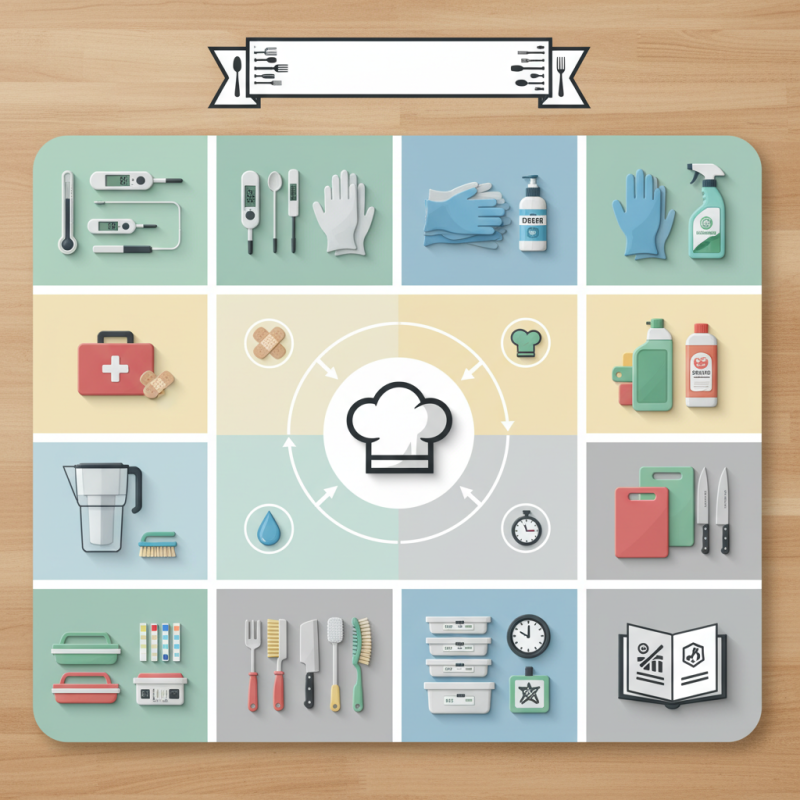
Creating a safe kitchen environment is vital for food preparation. An essential food safety kit should include items that can significantly reduce the risk of foodborne illnesses. One core component is a digital food thermometer. This tool ensures that meats reach safe cooking temperatures, preventing harmful bacteria. According to a study by the USDA, nearly 1 in 6 Americans get sick from contaminated foods each year.
Another crucial item is color-coded cutting boards. These boards help prevent cross-contamination. Using different boards for meat, vegetables, and dairy can minimize the risk of pathogens spreading. The CDC reports that cross-contamination is a leading cause of foodborne illnesses.
Tips: Regularly check your food safety kit to replace outdated items. Always sanitize your tools and surfaces after use. Remember, improper storage can lead to spoilage. Keeping your refrigerator at 40°F or lower helps maintain food freshness. By integrating these components into your kitchen, you can create a safer cooking environment. However, always reflect on your practices. Assess whether your awareness of food safety is sufficient.
Understanding the Importance of Food Safety in Home Cooking
Food safety is crucial in home cooking. Contaminated food can cause serious health issues. Understanding proper food handling and storage is vital. It's not just about taste; it's also about health. Using the right tools can help prevent foodborne illnesses.
Tips: Always wash hands before handling food. Practice this each time. Keep raw meat separate from vegetables. This simple action can prevent cross-contamination. Store food at the correct temperatures. A refrigerator should be set below 40°F.
Many people overlook small details. A dirty cutting board can transfer bacteria. You might not realize it until it's too late. Relying solely on appearance can be misleading. Trust your instincts but also educate yourself. Keeping an updated food safety kit will make these practices easier. Remember, small steps lead to big changes in kitchen safety.
Top 10 Must-Have Items in Your Food Safety Kit
A well-equipped food safety kit can help prevent contamination and ensure safe cooking practices. One essential item is a reliable food thermometer. It’s important to measure internal temperatures accurately. Undercooked meat can pose health risks, so this tool is vital. A second necessity is color-coded cutting boards. Using separate boards for raw meat and vegetables reduces cross-contamination risks.
Another must-have is sanitizer wipes. These can quickly clean surfaces without leaving harmful residues. Additionally, disposable gloves should be included to maintain hygiene while handling food. These simple tools can significantly improve safety in your kitchen.
Don’t forget about proper food storage bags. Use them to keep leftovers safe from spoilage. It’s also useful to have labels. They help you track food freshness and prevent foodborne illnesses. A basic kit may seem effortless, but neglecting these essentials can lead to big problems in food safety. Consider each item carefully and reflect on how it can enhance your cooking environment.
How to Properly Use and Maintain Your Food Safety Tools
Proper use and maintenance of food safety tools is crucial. Studies show that nearly 48 million people in the U.S. suffer from foodborne illness each year. This highlights the importance of having the right kitchen tools and knowing how to use them effectively. For instance, color-coded cutting boards can prevent cross-contamination. They should be washed thoroughly after every use to ensure safety.
Thermometers are essential for checking food temperatures. Keep them calibrated; a faulty thermometer could lead to undercooked meals. Many people overlook cleaning their thermometers after each use, which may pose a risk. A simple wipe with a sanitizing cloth can make a difference. Research indicates that over 20% of kitchen accidents are related to improper tool use.
Storing your food safety tools properly is also vital. Keep them in a dry area, away from contaminants. Regularly inspect them for damage or wear. A neglected tool may not perform as expected, increasing food safety risks. Remember, even the best tools can fail if not cared for properly. Optimal kitchen safety is not just about having the right equipment; it's about using and maintaining them with intention.
Tips for Storing and Organizing Your Kitchen Safety Equipment
Proper storage and organization of kitchen safety equipment is essential. A survey by the Food Safety and Inspection Service reveals that over 48 million people suffer from foodborne illnesses each year in the U.S. This emphasizes the need for well-organized safety kits in our kitchens. Ensuring that gloves, thermometers, and sanitizer are easily accessible can significantly reduce risks.
Using clear, labeled bins for different safety items is a practical approach. Store food thermometers in one bin and cleaning supplies in another. This arrangement reduces clutter and helps you locate items quickly. A study from the CDC indicates that organized kitchens promote better food safety practices. You've seen it working well in practice, but is your setup really optimal?
Remember to check and replace expired supplies regularly. It's easy to overlook this, leading to ineffective tools. A proactive approach can prevent accidents and illness. While everything may seem in order, consider if your system truly inspires consistent safe practices. Do you often grab a thermometer, or does it stay buried? Assess your organization habits to identify areas for improvement.
Top 10 Essential Food Safety Kits for Your Kitchen Needs