
CALL TODAY for FREE In home consultation
SEND EMAIL
1995 East Norse Avenue
Cudahy, Wisconsin 53110
414-727-2524
4445 W Forest Home Avenue
Milwaukee, Wisconsin 53219
414-727-2525
2140 American Drive
Neenah, Wisconsin 54956
920-257-6060
65 Copeland Avenue
La Crosse, Wisconsin 54603
608-784-9980
In 2026, a garment label does more than identify a brand. It can carry care instructions, material details, sizing, and a distinctive design touch. The best choice depends on the garment, the wearer, and how the item will be washed and used. A soft cotton neck label may suit a lightweight T-shirt, while a woven damask label can give a jacket a sharper finish. Small choices matter.
This guide compares the leading Garment Labels, including woven, printed, heat-transfer, care, and sustainable-material options. “A good label gives people useful information without competing with the garment,” says apparel product-development specialist Maya Chen. The quote is an editorially composed summary, not a verified quotation from a published source. Check expert attributions before publication.
That distinction matters. A label can look polished on a sample but feel scratchy against skin, fade after repeated washing, or crowd a small seam. Material, placement, print clarity, and durability deserve equal attention. There is no single best type. The right label balances comfort, legibility, brand identity, and production needs—and sometimes the first choice will need a rethink after wear testing.
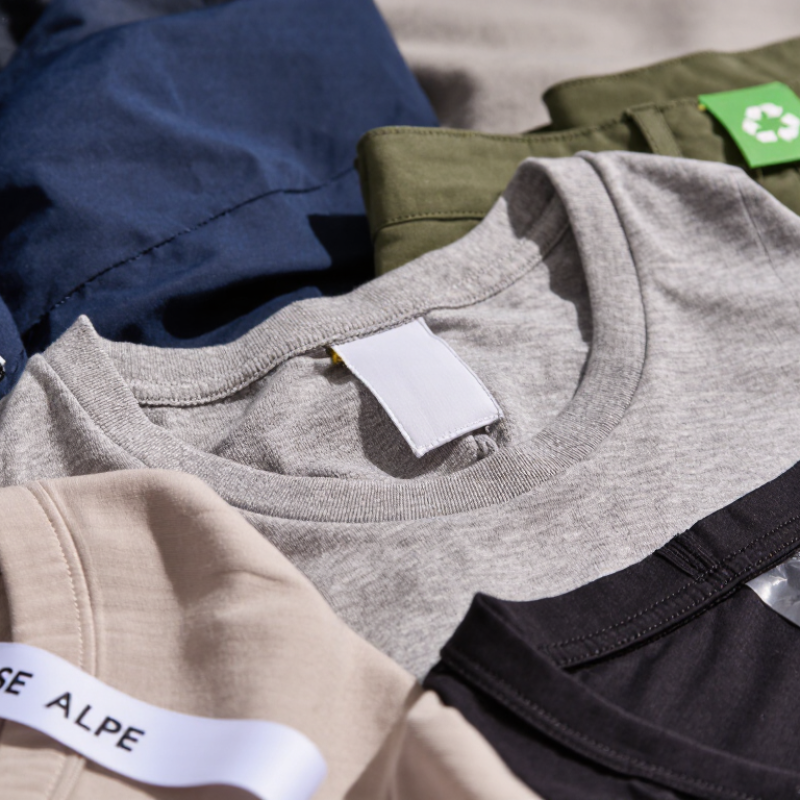
A garment label is a compact information point sewn into a collar, side seam, or waistband. It can identify fibre content, size, care instructions, and, depending on the product and market, country of origin or other supply-chain details. These details help shoppers compare fabrics and help garment workers select suitable washing and finishing processes. Textile Exchange’s Materials Market Report 2024 estimates that global fibre production reached 124 million tonnes in 2023. With so much material in circulation, clear fibre information matters. A label is small, but its wording can affect how a garment is cared for.
Care symbols offer quick guidance when space is limited. ISO 3758:2023 organizes care instructions into five categories: washing, bleaching, drying, ironing, and professional textile care. A label might show a wash tub, a crossed-out triangle, and a low-temperature iron. Fiber names and percentages can clarify whether a garment is mostly cotton, polyester, or a blend, while size and origin details serve different practical needs. Requirements vary by market and product. Labels can also be cramped or hard to read; that is a real limitation, not just a design flaw. Clear wording and legible symbols make the information more useful at the point of purchase and at home.
Garment labels in 2026 serve different jobs: identifying a size, communicating care instructions, or adding a visible design detail. Woven labels suit necklines and hems, where raised threads remain legible through repeated handling. Printed labels can carry dense information on a narrow strip; heat-transfer labels avoid a sewn edge against the skin. Hangtags are temporary, while sewn-in care and fiber-content labels stay with the garment.
Material choice matters at scale. Textile Exchange’s Materials Market Report 2024 estimates that global fiber production reached 124 million tonnes in 2023. That figure does not measure label demand, but it shows the enormous material system garments belong to. For product tracking, RFID-enabled labels can pair a physical identifier with digital records; ordinary printed codes remain simpler and need no special reader. No option is flawless. A soft transfer may feel better, yet crack if poorly applied; a woven label may last, but irritate sensitive skin. I would question any “best” label claim without knowing the garment, wear conditions, and information it must carry.
| Label Type | Typical Construction | Common Information or Purpose | Typical Placement or Attachment | Key Considerations |
|---|---|---|---|---|
| Woven Labels | Text or symbols are woven into fabric yarns, commonly using polyester or other textile fibers. | Brand identification, size, decorative details, or other garment information. | Usually sewn into a neckline, side seam, or hem; folded versions can be sewn into a seam. | Durable and well suited to fine detail, though some constructions may feel textured against sensitive skin. |
| Printed Fabric Labels | Ink is printed onto a textile base such as satin, polyester, or cotton tape. | Care instructions, fiber content, size, origin information, or design details. | Usually sewn into a neckline or side seam. | Can accommodate small text and detailed layouts; legibility and wash performance depend on the fabric and printing method. |
| Heat-Transfer Labels | Text or graphics are transferred directly onto fabric using heat and pressure. | Often used for size, care, or identification information when a low-profile finish is desired. | Applied directly to the garment, commonly inside the neckline or waistband. | No sewn label edge is left against the skin; application settings and garment fabric must be compatible. |
| Satin Labels | Printed or woven label made with a smooth, lustrous textile surface. | Care details, size, identification, or decorative information. | Sewn into a seam or garment opening. | The smooth finish can feel comfortable, but the specific material and print method determine durability and care performance. |
| Cotton Labels | Labels made from cotton tape or cotton fabric, with information printed or woven into the material. | Identification, care details, or a natural-texture design element. | Sewn into a neckline, side seam, or hem. | Offers a textile, matte appearance; shrinkage, fraying, and wash performance depend on construction and finishing. |
| Care and Content Labels | Usually printed on a textile label; may also be combined with a size or identification label. | Care instructions and fiber-content information. Required label details vary by product and sales market. | Commonly sewn into a side seam or another accessible interior location. | Text should remain readable and be appropriate for the garment’s intended market; check applicable local regulations. |
| Size Labels | A separate woven or printed label, or a size marking integrated into another label. | Indicates the garment’s stated size or sizing category. | Often placed at the back neckline, waistband, or inside a side seam. | Sizing conventions differ across markets, so the displayed size should match the garment’s intended sizing system. |
| Hang Tags | Typically printed paper or card attached with a string, fastener, or plastic loop. | Product details, price, materials, care guidance, or other point-of-sale information. | Attached externally to a garment or its packaging; generally removed before wear. | Provides space for additional information but is not a substitute for any required permanent garment labeling. |
| RFID-Enabled Labels | A textile or paper label incorporating a radio-frequency identification inlay or tag. | Supports item identification and inventory processes when used with compatible systems. | Integrated into a sewn label, attached as a tag, or included in packaging, depending on the product and system. | Requires compatible readers and data systems; placement and construction should be tested for the intended use. |
Note: Label requirements and permitted care or fiber-content statements can vary by country, product type, and intended market. Confirm applicable regulations before production.
What Are the Top Garment Label Types in 2026?
How Label Materials and Attachment Methods Differ
A label’s material affects its feel, legibility, and durability against repeated washing. Woven polyester labels hold small text and crisp symbols, while printed satin often feels smoother against skin. Cotton labels offer a softer, more natural texture, though edges may fray without careful finishing. Textile Exchange’s Materials Market Report 2024 estimates that global fiber production reached 124 million tonnes in 2023, with polyester accounting for 57%. That scale makes polyester common in label construction, but it does not make it the right choice for every garment.
Attachment changes how a label performs. Sew-in labels suit seams and withstand routine handling, but dense stitching can irritate sensitive skin. Heat-transfer labels avoid dangling edges and work well on activewear; poor temperature control, however, can cause peeling or fabric marks. Adhesive options can simplify short-term applications, yet sweat and laundering may weaken their hold. Test samples on the actual fabric. A small detail matters.
For a soft knit, a folded label stitched into a side seam may stay secure while keeping its cut edge away from skin. On a lightweight shirt, a narrow printed label can reduce bulk. These are practical starting points, not guarantees: fabric stretch, thread choice, wash conditions, and stitch placement all affect the result. Textile Exchange’s production figures describe the wider fiber market, not label performance, so makers should verify comfort and wash durability with garment-specific trials.
Woven and printed fabric labels are commonly sewn into garments, while heat-transfer labels are applied with heat. Leather or faux-leather patches may be sewn or adhesive-backed, and hang tags typically use a string or fastener. The chart shows typical matches, not market-share or performance data; actual options vary by product and manufacturer.
A label should suit the garment’s fabric, wearer, and care routine. Textile Exchange’s Materials Market Report 2024 estimates global fiber production reached 124 million tonnes in 2023. Polyester accounted for about 57% of that total, making accurate fiber-content information important across many clothing categories. For everyday shirts, pajamas, and children’s garments, a soft printed care label or smooth satin label can reduce scratching at the neck or side seam. Check that the text stays legible after repeated washing. Comfort comes first.
Activewear often benefits from heat-transfer labels, which avoid a sewn-in tag rubbing against damp skin. Test the transfer on the actual fabric: stretch, heat, and repeated laundering can affect its feel and durability. For coats, denim, and structured pieces, a woven label can handle a more substantial look, while a hangtag works for temporary product details. Keep required care and fiber information on the garment itself where applicable; do not rely on a hangtag that may be removed. A small wear test matters. I would not assume a label feels comfortable just because it feels soft in the hand. Check seams, print edges, and readability on a washed sample, then verify labeling requirements for each destination market.
In 2026, garment labels are doing more than displaying size and care instructions. Woven labels remain useful for a durable, textured finish, while printed and heat-transfer labels can reduce bulk inside lightweight shirts. Hangtags still provide room for product details. More labels are also linking to digital information through QR codes, such as fiber origins or care guidance. The shift is practical, not just visual.
Material choices are changing too. Recycled fibers, responsibly sourced paper, and water-based printing are gaining attention, though performance matters as much as the claim. A label that frays after a few washes does not serve customers well. Digital features also need a fallback: not everyone wants to scan a code, and a tiny code can be difficult to use. These details are easy to overlook.
Tips: Test labels after repeated washing, not only on a sample garment. Check that care text stays readable and edges feel comfortable against skin. Keep essential instructions printed directly on the garment or tag, even when adding a QR code. Small checks help prevent avoidable returns.
1995 E Norse Ave
Cudahy, WI 53110
Phone: 414-486-6249
Fax: 414-486-5728