Top 10 Mobility Products for Enhanced Independence and Comfort?
In today's world, mobility products play a crucial role in enhancing independence and comfort for individuals. These products range from simple aids to advanced technology. Many people face challenges in their daily lives, making these tools essential.
Consider a rollator, which provides stability and support while walking. It allows users to move confidently in their environments. Another example is a powered wheelchair, offering freedom and mobility to those with limited strength. However, not everyone can access these solutions easily. Cost and awareness may hinder their use.
These mobility products can transform lives, yet they are not without flaws. Some users may struggle with the weight or size of certain devices. Additionally, adapting to new technology can be daunting. Overcoming these hurdles is vital for fully embracing mobility aids.
Essential Mobility Aids for Greater Independence and Comfort
Mobility aids play a crucial role in enhancing independence and comfort for individuals with mobility challenges. Research indicates that around 15% of the global population experiences some form of disability. This highlights the importance of accessible products. Essential mobility aids can significantly improve quality of life.
Walkers, rollators, and canes are popular choices, providing stability. They can reduce falls, which are common among older adults. A 2021 study found that 30% of seniors who use mobility aids report a higher level of confidence in their daily activities. It's vital to choose an aid that suits your specific needs.
Tips: Always test a mobility aid before purchasing. Ensure it feels comfortable and safe. Consult with a healthcare provider for proper recommendations. Additionally, consider your living environment. A product that works on smooth surfaces may not perform well on uneven terrain. Evaluate your lifestyle and potential obstacles carefully.
Types of Mobility Products and Their Unique Benefits
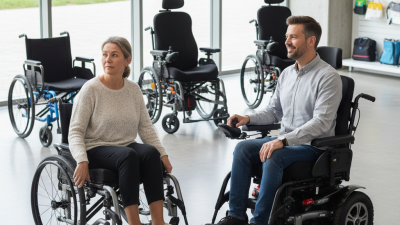
Mobility products come in various forms, each serving unique needs. Walkers offer stability and support for those with limited balance. They can reduce the risk of falls, promoting safety. Wheelchairs provide independence for individuals unable to walk. With manual and electric options, they cater to different preferences and lifestyles.
Scooters are another popular choice, especially for outdoor adventures. They enable easy navigation in parks or shopping centers. Canes, though simple, are vital for many. They offer just enough support to boost confidence while walking.
Balance aids, such as grab bars, enhance safety in homes without taking up much space. Each product contributes to greater independence. However, choosing the right option can be daunting. It's essential to consider personal comfort and the environments where the product will be used. Testing a few before making a final decision can be beneficial.
Top 10 Mobility Products for Enhanced Independence and Comfort
Innovative Features to Look for in Mobility Devices
When exploring mobility devices, innovative features are pivotal for enhancing independence. Many users prioritize ease of use. A recent report by the National Institute on Aging found that 70% of seniors value mobility aids that are intuitive and user-friendly. This focus can significantly impact daily life. Devices with adjustable heights or customizable settings cater to individual needs, promoting a better fit.
Incorporating technology is also essential. Features like built-in GPS or smartphone connectivity offer safety and convenience. Data from the Assistive Technology Industry Association suggests that 30% of users prefer devices that integrate with smart home systems. This integration not only enhances safety but also encourages users to remain active. However, not all products effectively combine these technologies, leading to user frustration and a lack of engagement.
Moreover, portability cannot be overlooked. Lightweight designs and foldable options allow for easy transport. Many users express challenges with heavy devices, citing difficulty when traveling. Reports indicate that 45% of potential consumers shy away from bulky mobility products. Balancing weight with durability often remains an unresolved dilemma within the industry. Adjustments to these aspects could improve overall user satisfaction and independence.
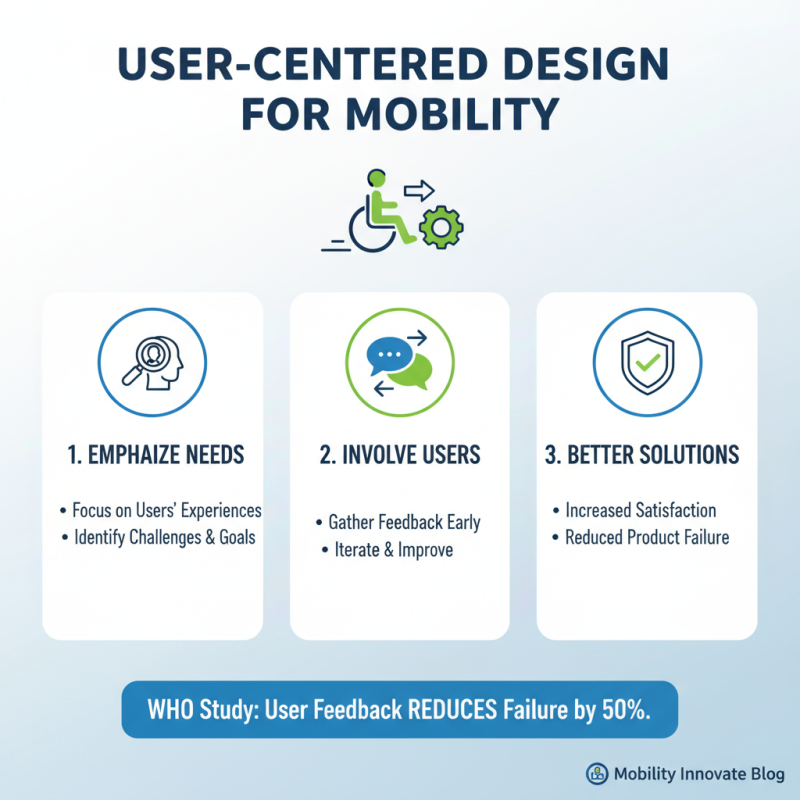
User-Centered Design in Mobility Product Development
User-centered design plays a crucial role in developing mobility products. It emphasizes the needs and experiences of users. By involving users in the design process, manufacturers can create better solutions. A study by the World Health Organization suggests that user feedback reduces product failure rates by 50%.
Key features in mobility products include comfort, ease of use, and adaptability. For instance, ergonomic designs enhance user comfort. Lightweight materials improve portability and encourage independence. According to the National Institutes of Health, 70% of users prefer products that adapt to their specific needs.
**Tips:**
When choosing a mobility product, consider your daily activities. Look for adjustable features to tailor the product to your needs. Also, integrate user testing to identify flaws early in the design process. Remember, some products may not fit your lifestyle perfectly. Regular feedback helps refine these designs.
Tips for Selecting the Right Mobility Product for Individual Needs
When selecting the right mobility products, individual needs must take center stage. A recent study indicates that about 80% of users abandon mobility aids due to discomfort. It’s crucial to consider the level of support required. For example, some may need basic aids, while others might require advanced options for complex mobility challenges. Assessing personal requirements is necessary.
Consider the environment in which the product will be used. Will it be indoors or outdoors? Is the surface smooth or rough? Data shows that mobility devices used in varying terrains need additional features. For instance, larger wheels might help navigate uneven surfaces, enhancing overall comfort. Comfort levels should not be overlooked. A good fit can significantly improve daily functioning.
Cost is often a barrier, with the average price for quality mobility aids ranging from $150 to over $1,200. This can lead to difficult choices. It’s wise to look for features that add real value. Test-run products whenever possible to gauge comfort and usability. Reflection on personal experiences can guide better decisions. Choosing the right product is not easy, but it is vital for enhancing independence.
Top 10 Mobility Products for Enhanced Independence and Comfort
| Product |
Type |
Features |
Price Range |
User Rating |
| Smart Walker |
Walker |
Lightweight, Collapsible, LED Light |
$200 - $300 |
4.5/5 |
| Electric Wheelchair |
Wheelchair |
Battery Powered, Adjustable Speed, Reclining |
$2,000 - $5,000 |
4.8/5 |
| Portable Ramp |
Accessibility Aid |
Foldable, Lightweight, Non-Slip Surface |
$100 - $250 |
4.7/5 |
| Rollator with Seat |
Rollator |
Seat, Storage Bag, Brake System |
$150 - $350 |
4.6/5 |
| Stairlift |
Home Modification |
Customizable, Remote Control, Safety Sensors |
$3,000 - $10,000 |
4.9/5 |
| Mobility Scooter |
Scooter |
Compact, High Speed, Long Range |
$1,200 - $3,500 |
4.4/5 |
| Knee Walker |
Mobility Aid |
Adjustable, Padded Knee Rest, Lightweight |
$100 - $300 |
4.5/5 |
| Power Lift Recliner |
Recliner |
Lift Assistance, Comfort Padding, Multiple Positions |
$600 - $1,500 |
4.8/5 |
| Bath Lift |
Bath Aid |
Waterproof, Remote Control, Portable |
$350 - $800 |
4.7/5 |