
What Are the Top Sports Cooler Bags?

Choosing the top Sports Cooler Bags requires more than comparing bright colors and advertised capacity. A reliable bag must protect food, manage temperature, and remain comfortable during movement. Coaches, cyclists, runners, and families often need different designs. The best choice depends on trip length, weather, meal size, and access to ice.

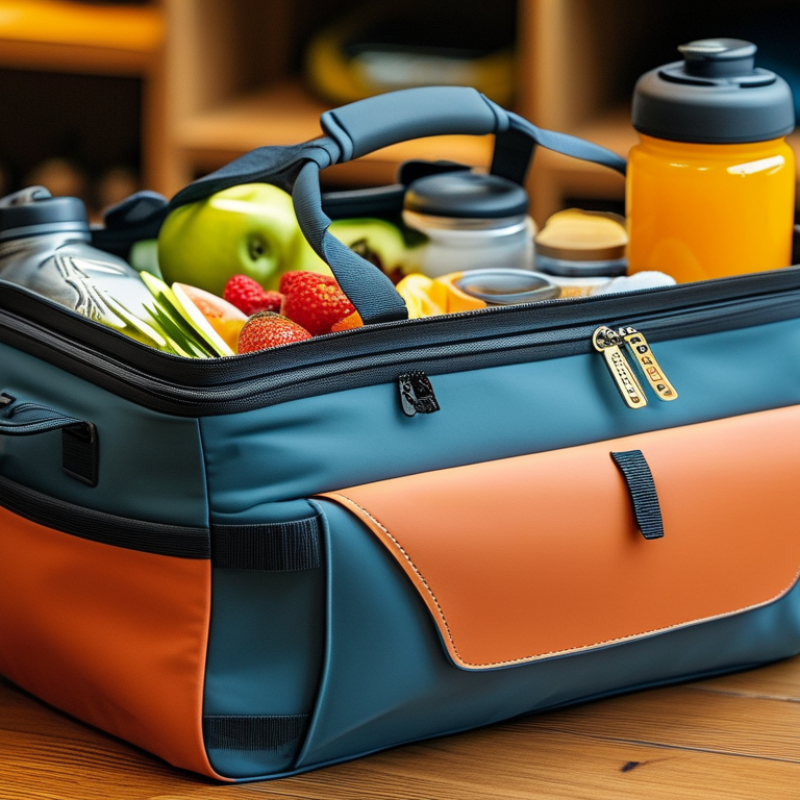
Sports nutrition expert Dr. Dana Ryan emphasizes, “Hydration and practical food planning can shape performance as much as training does.” Her point applies directly to cooler-bag selection. A narrow insulated compartment may suit a runner carrying two bottles and fruit. A wider model may better serve a baseball coach carrying sandwiches, ice packs, and recovery drinks. Look for leak-resistant lining, reinforced handles, strong zippers, and insulation that does not collapse after repeated use. Small pockets matter, too. They can separate utensils, keys, and sweaty towels from chilled food.

Still, product descriptions can overpromise. “All-day cold” depends on sun exposure, opening frequency, and the number of ice packs. That detail is easy to overlook. Weight also changes quickly after loading. A bag that feels light in a store may strain one shoulder after a tournament. We will examine capacity, insulation, portability, cleaning, and value across leading options. Some bags will perform impressively. Others may reveal practical weaknesses. A perfect Sports Cooler Bags choice does not exist. The smartest purchase matches real routines, not attractive specifications.
What Are the Top Sports Cooler Bags?

What Defines a High-Quality Sports Cooler Bag?

A high-quality sports cooler bag begins with reliable temperature control, not flashy styling. In field use, thick insulation keeps water cold through a long practice and a warm afternoon. The lining should resist leaks and wipe clean after spilled juice or melted ice. Look for sealed seams, a sturdy zipper, and a base that stays upright on grass or concrete. These details matter when the bag rests beside a bench or inside a crowded vehicle. A useful bag also balances capacity with portability. It should hold drinks, fruit, sandwiches, and ice packs without becoming awkwardly heavy. Wide handles and a padded shoulder strap reduce strain during walks from the parking area. Small exterior pockets can separate keys, tape, or training notes from chilled food. Organization helps.

Material quality reveals itself over time. After repeated use, weak fabric can fray, while poor zippers may trap dirt and moisture. I prefer abrasion-resistant fabric and reinforced stress points, especially around handles. Still, strong construction cannot fix careless packing. I once filled a cooler too tightly, blocked the cold air, and warmed the food faster than expected. That mistake changed my routine. I now leave space around items and pre-chill drinks whenever possible. A dependable sports cooler bag should be easy to carry, clean, and store between events. It should not smell after one wet weekend. No bag is perfect. The right choice depends on training length, climate, and personal habits. Check the stitching, test the closure, and imagine carrying it for an hour.

Which Sports Cooler Bag Features Matter Most?

The best sports cooler bag fits the activity, not just the meal. In field checks, insulation has made the biggest difference. Thick foam helps keep water cold during long outdoor sessions. However, ice retention depends on sunlight, bag capacity, and how often it opens. A wide opening makes packing easier. It also lets warm air escape quickly.

Leak resistance matters near uniforms, car seats, and gym floors. Look for sealed seams and a dependable zipper. A removable liner makes cleaning less unpleasant after spilled drinks. I once underestimated this feature. A bag that smells after one use becomes difficult to trust. Interior dividers can separate fruit, sandwiches, and ice packs without wasting much space.

Comfort matters when carrying equipment across a field. Padded shoulder straps reduce pressure during longer walks. Reinforced handles help when the bag is fully loaded. External pockets should hold keys, towels, or utensils without touching cold food. Check the base, too. A stable, water-resistant bottom prevents tipping on damp grass. I prefer moderate capacity over excessive size, though that choice is not always perfect. An oversized bag can encourage overpacking and become awkward before the game begins. Reliable use also requires pre-chilling food and checking temperature-sensitive items during extended trips.

What Are the Top Sports Cooler Bags?

Which Sports Cooler Bag Features Matter Most?

Insulation performance, leak resistance, carrying comfort, and usable capacity are the most important considerations for sports cooler bags. Durability and organization add convenience, while compact storage is especially useful for short training sessions and day trips.

How Do Different Cooler Bag Types Compare?

What Are the Top Sports Cooler Bags?

How Do Different Cooler Bag Types Compare?

The best sports cooler depends on movement, capacity, and cooling time. The Outdoor Industry Association reported 175.8 million outdoor participants in 2023. That scale reflects varied needs, from short training sessions to full-day events.

Soft-sided cooler bags suit gym trips and sideline use. They are light, foldable, and easier to carry through crowded venues. Their insulated fabric usually handles snacks, bottles, and a compact meal. However, soft walls compress easily and may lose cold air faster. Hard-sided coolers provide stronger insulation and better protection for fragile food. They can hold ice longer, but their rigid shape adds weight. Backpack coolers distribute weight across both shoulders. This design works well for cycling, hiking, or carrying equipment over uneven ground. The trade-off is less usable space and more difficult cleaning. I once underestimated that difference.

Tips: Choose a leak-resistant liner, wide opening, and reinforced straps. Pack chilled food first, then fill empty spaces with ice packs. USDA guidance recommends keeping perishable food at 40°F or below. A small thermometer is more reliable than touching the bag. Also, check the cooler’s stated capacity carefully. Listed litres may include unusable space around insulation. A practical test is simple: place two bottles, a meal container, and ice inside before buying. Many attractive bags fail this test.

What Are the Top Sports Cooler Bags? – How Do Different Cooler Bag Types Compare?
Cooler Bag Type Typical Capacity Typical Empty Weight Typical Ice Retention* Portability Leak Resistance Best Sports Uses Main Strength Main Limitation
Soft-Sided Shoulder Cooler ★★★★★ 8–24 quarts
approximately 7–23 liters
About 1–3.5 lb
0.5–1.6 kg
Approximately 12–24 hours with adequate ice and pre-chilling Very easy to carry using a shoulder strap or hand handles Good when equipped with a welded or sealed liner; seams and zippers still require care Day trips, sideline drinks, picnics, short hikes, and post-training meals Lightweight, foldable, and easy to store Usually less protective and less thermally efficient than rigid coolers
Insulated Cooler Backpack ★★★★★ 12–30 quarts
approximately 11–28 liters
About 1.5–4 lb
0.7–1.8 kg
Approximately 12–24 hours; performance depends strongly on insulation and closure design Excellent for hands-free carrying and longer walks Good to very good with a sealed liner and water-resistant or waterproof zippers Cycling, hiking, walking to fields, boating, and outdoor tournaments Distributes weight across the shoulders and leaves both hands free Less convenient to access while being worn; can be uncomfortable when heavily loaded
Soft Tote Cooler ★★★★☆ 12–36 quarts
approximately 11–34 liters
About 1.5–4.5 lb
0.7–2 kg
Approximately 12–24 hours under typical day-use conditions Easy for short-distance carrying; handles are usually simple to grab Ranges from moderate to very good depending on liner construction and zipper quality Team snacks, beach sports, family outings, and vehicle-based activities Wide opening and efficient use of interior space Can become awkward to carry when filled with dense food, drinks, or ice
Hard-Sided Portable Cooler ★★★★☆ 20–70 quarts
approximately 19–66 liters
About 8–25 lb
3.6–11.3 kg
Approximately 1–5 days, depending on wall thickness, gasket quality, ice quantity, and ambient temperature Moderate to poor when large; smaller models are manageable with a sturdy handle Usually very good when the lid gasket and drain plug are properly sealed Team events, camping, fishing, tailgating, and multi-day outdoor activities Strong insulation, rigid protection, and high storage capacity Heavy, bulky, and less convenient to carry over uneven ground
Rolling Cooler ★★★★☆ 30–80 quarts
approximately 28–76 liters
About 12–35 lb
5.4–15.9 kg
Approximately 1–5 days for well-insulated models with sufficient ice Good on smooth surfaces; less effective on sand, gravel, stairs, and rough trails Usually very good with a rigid body, gasketed lid, and sealed drain system Large tournaments, stadium areas, campsites, and parking-lot events Moves heavy loads with less lifting Wheels and handles add bulk, and terrain can significantly reduce maneuverability
Personal Lunch-Size Cooler ★★★★☆ 4–10 quarts
approximately 4–9.5 liters
About 0.5–2 lb
0.2–0.9 kg
Approximately 6–18 hours, depending on the ice pack or ice used Excellent for one person and easy to place in a locker or vehicle Moderate to good; many designs use a zipper rather than a fully sealed lid Individual training sessions, school sports, work, and short commutes Compact, affordable, and simple to organize Limited food and drink capacity; not suitable for groups or extended outings
*Ice-retention figures are typical practical ranges rather than guaranteed results. Actual performance varies with insulation thickness, cooler size, lid or zipper sealing, the amount and type of ice, pre-chilling, how often the cooler is opened, and outdoor temperature. Capacity figures are approximate internal volumes and can vary by design.

Which Sports Cooler Bags Suit Different Activities?

What Are the Top Sports Cooler Bags?

The best sports cooler bag depends on the activity, not just its advertised capacity. The SFIA 2024 Topline Participation Report recorded 242.4 million Americans joining at least one sport or fitness activity in 2023. That variety demands different cooling designs.

For team sports, choose a wide-opening bag with room for several bottles, fruit, and ice packs. Shoulder straps help when carrying gear across a field. Cyclists need a compact, stable bag that fits inside a basket or attaches securely to equipment. For hiking, insulation, low weight, and durable fabric matter more than maximum capacity. A soft-sided cooler with padded straps can reduce shoulder pressure on uneven trails. Beach users may prefer waterproof lining and sealed pockets for wet towels or sand-covered items. Gym users often need a smaller lunch-style cooler that fits inside a locker.

Outdoor Industry Association’s 2024 Outdoor Participation Trends Report counted 175.8 million U.S. outdoor participants in 2023. It also reflects how varied outdoor use has become. One cooler cannot serve every setting. I have found that oversized bags often waste space during short workouts. That is an easy mistake to make.

Tips: Keep perishable food at 40°F or below, following FDA guidance. Use separate ice packs for drinks and meals. Clean the lining after every outing. Check zippers and seams before carrying liquids. A temperature test is wiser than trusting a product description.

How Should You Choose and Maintain a Sports Cooler Bag?

Choosing a sports cooler bag starts with the activity, not its appearance. A compact bag suits short gym sessions, while a larger insulated bag works better for hiking or tournament days. Check the internal capacity carefully. A bag that looks spacious may hold less after adding ice packs. Look for thick insulation, a leak-resistant lining, strong stitching, and a comfortable shoulder strap. Separate pockets can protect keys and phones from moisture. It sounds simple, but small design details matter.

Think about how you pack it. Place chilled food near ice packs, and fill empty spaces to reduce warm air. Use sealed containers for yogurt, fruit, or prepared meals. Keep raw ingredients away from ready-to-eat food. A stable base also helps prevent spills in a car or locker. In my experience, soft-sided bags are easier to carry, but they can collapse and lose cooling efficiency. A rigid insert may be less convenient, yet it protects delicate food better.

Maintenance affects both hygiene and cooling performance. Empty the bag immediately after use, then wipe the liner with mild soap and clean water. Leave every pocket open until the inside is completely dry. Never store it while damp. Check zippers, seams, and straps regularly. Small leaks often become larger after repeated outdoor use. I sometimes overpack mine, which makes the zipper strain and the contents warm unevenly. Choosing a slightly larger capacity may prevent that mistake. Avoid harsh chemicals, rough brushes, and prolonged direct sunlight.

ACCESS ABILITY Home Medical Store has a Beautiful showroom in Cudahy To Serve You!

Corporate Office And Store
Cudahy, Wisconsin

1995 E Norse Ave
Cudahy, WI 53110
Phone: 414-486-6249
Fax: 414-486-5728