
Why Choose a Folding Tent for Global Events?

Global events demand shelter that is practical, recognizable, and easy to manage. A Folding Tent can support exhibitions, sporting occasions, cultural programs, and temporary hospitality areas. Its compact frame travels efficiently between venues, reducing storage pressure during international event planning. Event crews often value faster installation, especially when schedules change or several sites share one equipment set.

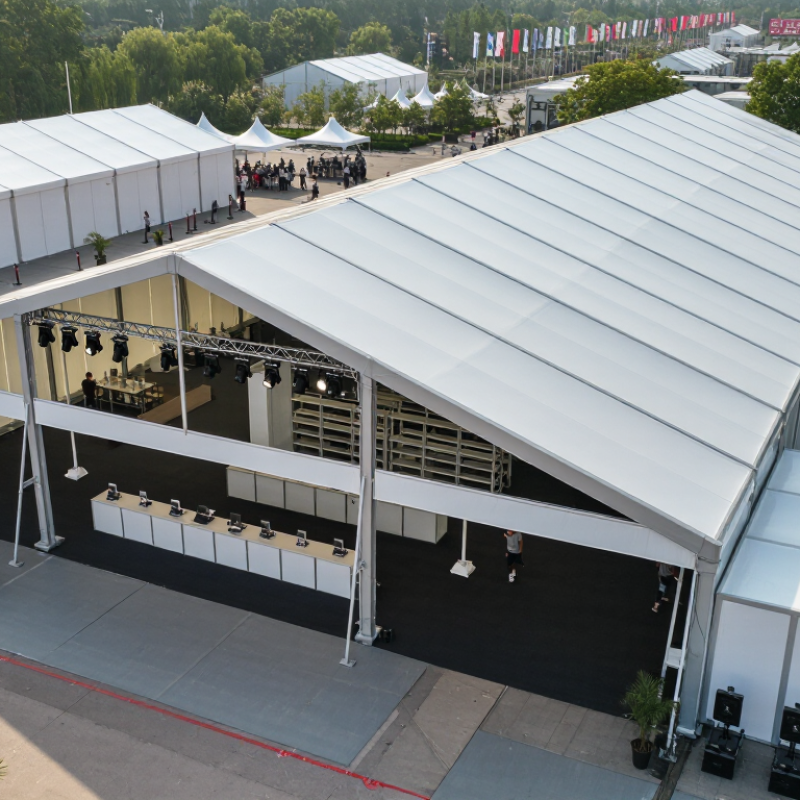
At an outdoor trade show, a team may unload the tent beside a crowded service lane. Within a short setup window, the structure can create shade, branded space, and basic protection from light weather. Printed walls, counters, lighting, and flooring can improve visitor comfort. These details matter when guests move between bright sunlight, sudden drizzle, and busy exhibition paths. Still, convenience alone is not enough. Wind exposure, ground conditions, fire-safety requirements, and local venue rules require careful review.

Professional planners should compare frame strength, fabric performance, transport weight, and available accessories. They should also follow manufacturer guidance and use appropriate anchoring for each surface. Reliable suppliers can provide technical specifications, maintenance advice, and documented material information. This supports better decisions and clearer communication with venue managers. However, no Folding Tent suits every climate or event format. Lightweight models may travel easily but offer less resistance in demanding conditions. Larger structures may provide comfort yet require more crew, time, and transport space. That trade-off deserves honest reflection. Good planning includes limits. When the tent matches the venue, audience, and operating conditions, it becomes more than temporary shelter. It becomes a dependable part of the event experience.
Why Choose a Folding Tent for Global Events?

What Defines a Folding Tent in the Global Events Industry?

A folding tent is a temporary event structure built around a hinged, collapsible frame. Its roof and optional walls attach to this frame, allowing crews to transport and install it efficiently. The defining feature is not simply portability. It is the combination of repeatable assembly, adaptable space, and controlled protection.

On global event sites, crews assess more than appearance. They check frame joints, fabric tension, anchoring points, ballast, drainage, and ventilation. Wind conditions can change quickly near a coastal venue or open exhibition ground. A reliable tent should include clear load data, material specifications, maintenance guidance, and tested fire-performance information where required. Local regulations still matter. One document rarely satisfies every country.

A folding tent supports registration desks, hospitality areas, product demonstrations, and temporary storage. Its modular walls can create privacy or open views within minutes. That flexibility reduces waste when event layouts change. However, fast setup does not remove responsibility. Poor anchoring, damaged fabric, or rushed inspections can create serious weaknesses. A perfect setup is rare. Experienced teams record weather conditions, inspect every connection, and replace questionable components rather than guessing. They also plan accessible entrances, safe cable routes, and enough clearance for people moving through busy spaces. Small oversights remain possible, especially when several contractors work under pressure. That is why practical checklists and independent review often define a professional folding tent system more clearly than attractive photographs.

How 3×3 m Modular Designs Improve Space and Transport Efficiency

Why Choose a Folding Tent for Global Events?

How 3×3 m Modular Designs Improve Space and Transport Efficiency

A 3×3 m folding tent gives event planners a practical, repeatable footprint. Each unit covers nine square metres, making layouts easier to measure and adjust. In my event setup experience, this size fits registration desks, product displays, small workshops, and hospitality points. Its compact frame usually folds into manageable sections, reducing loading time and storage pressure. That matters when equipment moves between airports, venues, and temporary sites.

Modular planning creates useful flexibility. Several tents can form a straight row, a corner layout, or separated activity zones. If attendance changes, teams can add or remove units without redesigning the entire floor plan. Transport becomes more predictable because identical components are easier to label, stack, and inspect. However, a 3×3 m tent is not a universal solution. Crowded entrances, strong winds, uneven ground, or local fire rules may require a different configuration. Small planning mistakes can still create uncomfortable walkways.

Tips: Measure doors, lifts, and vehicle space before packing. Mark every frame section clearly. Keep at least one clear access route between units. Check ballast requirements for the venue and weather conditions. A trial assembly helps, although it may reveal that the planned layout feels tighter than expected.

Why Tool-Free Setup Can Reduce Deployment Time to Under 10 Minutes

Why Choose a Folding Tent for Global Events?

Why Tool-Free Setup Can Reduce Deployment Time to Under 10 Minutes

A tool-free folding tent can change the rhythm of event deployment. Two trained staff can extend the frame, lock the joints, and attach the canopy without searching for tools. A 3 × 3 metre unit may become usable in under 10 minutes, when the ground is level and components are pre-checked. That speed matters during airport arrivals, outdoor demonstrations, and multi-city roadshows.

The Events Industry Council’s 2023 Global Economic Significance study estimated that business events supported 26.2 million jobs and generated approximately $1.6 trillion in global economic output. In that environment, shorter setup windows can reduce paid waiting time and release staff for registration, safety checks, or guest support. The U.S. Bureau of Labor Statistics projects 5% employment growth for meeting, convention, and event planners from 2023 to 2033. Efficient equipment can help teams handle that workload.

The ten-minute claim is not magic. Rain, uneven paving, strong wind, or missing ballast can slow deployment. A practical crew should rehearse the sequence, inspect locking points, and confirm anchoring requirements before opening. Tool-free does not mean risk-free. I would also leave extra time for signage, lighting, and final stability checks. Small details decide whether a fast setup remains dependable.

How EN 13782 and CPAI-84 Standards Support Event Safety Compliance

Why Choose a Folding Tent for Global Events?

A folding tent can support fast event setup, flexible layouts, and changing weather conditions. Its compact frame suits trade shows, community programs, sports gatherings, and temporary hospitality areas. Yet convenience does not equal safety. The structure still needs suitable design, correct anchoring, and documented inspections.

EN 13782 provides safety requirements and test methods for temporary structures, including certain tents. It addresses stability, structural behavior, materials, and safe use conditions. Event teams should review wind limits, ballast calculations, escape routes, and assembly instructions before opening the site. Check every connection. Small parts matter. A loose fitting can affect the entire frame during strong winds. Local authorities may also require permits or additional controls.

CPAI-84 focuses on the flammability performance of tentage materials. It helps assess how fabrics react when exposed to ignition sources. This standard is especially relevant when selecting roof covers, sidewalls, and other textile components. However, compliance with CPAI-84 does not remove every fire risk. Keep heaters, lighting, cooking equipment, and electrical cables properly separated from fabric. Maintain clear access for emergency response.

Standards support responsible decisions, but paperwork alone is not enough. Real event conditions are less tidy. Ground surfaces may change, crews may rush, and instructions may be misunderstood. A practical inspection before guests arrive can reveal missing stakes, damaged fabric, or blocked exits. Confirm the applicable edition, certification records, and local rules with a qualified safety professional.

Why Choose a Folding Tent for Global Events? - How EN 13782 and CPAI-84 Standards Support Event Safety Compliance

Compliance Dimension EN 13782 CPAI-84 Relevance to Folding Tents at Global Events
Primary purpose Safety requirements for temporary structures, including tents, used for public or occupational purposes. Flame-resistance requirements and test methods for materials used in camping tentage. The standards address different risks: EN 13782 focuses on the temporary structure and its use, while CPAI-84 focuses mainly on textile flame performance.
Typical geographic application European markets and projects where the standard is specified by regulators, venues, clients, or procurement documents. Commonly referenced in North American tent and textile procurement, particularly where flame-resistant tent materials are required. A folding tent may need a compliance package adapted to the destination country, venue rules, and local fire authority.
Structural safety Considers stability, loads, anchoring, supporting components, materials, construction, and safe use of the temporary structure. Does not replace structural design, wind-load assessment, anchoring calculations, or site-safety verification. The folding frame, legs, connectors, ballast, and anchoring plan should be checked separately from fabric certification.
Wind and weather considerations Requires the effects of relevant environmental actions and site conditions to be considered in the safety assessment. Primarily addresses flame performance and does not establish a universal wind-rating system for tents. Event plans should define operating limits, ballast requirements, inspection procedures, and when the tent must be evacuated or dismantled.
Fire and flame performance Addresses fire-related safety considerations within the design and use of temporary tent structures; local fire regulations may add requirements. Uses specified laboratory procedures to evaluate flame-resistant characteristics of tentage materials, including ignition and flame-spread behavior. Fabric test evidence can support venue approval, but it should not be treated as proof that the complete assembled tent is safe in every installation.
Material and component control Supports documented control of materials, components, construction details, and the relationship between design assumptions and the installed structure. Applies to the performance of relevant tentage materials under the prescribed test conditions. Replacing fabric, joining panels, adding walls, or changing accessories can affect compliance and should be documented.
Inspection and installation Emphasizes correct erection, inspection, maintenance, and safe operating procedures for temporary structures. A material test standard; it does not by itself provide complete installation or event-operation procedures. Folding tents benefit from repeatable setup checklists because they are frequently assembled, moved, and dismantled between events.
Documentation commonly requested Design information, structural calculations where applicable, assembly instructions, operating limits, inspection records, and maintenance information. Laboratory test reports or material certificates identifying the tested fabric, construction, and applicable test method. A consolidated technical file makes it easier to respond to venue, insurer, organizer, and authority requests.
Operational advantage of folding design Supports controlled, repeatable assembly when the frame, anchoring method, and instructions are clearly defined. Can support the use of flame-resistant textile panels when the actual supplied material has been tested and identified. Compact transport, rapid deployment, and standardized parts can improve consistency, provided trained crews follow the approved setup method.
Important compliance limitation Compliance with a European standard does not automatically satisfy every national regulation, venue rule, or permit condition. CPAI-84 material performance does not automatically demonstrate compliance with EN 13782 or with local structural and fire regulations. Before an event, confirm the applicable edition, authority requirements, site conditions, occupancy limits, emergency access, and required certificates.

Note: EN 13782 and CPAI-84 address different aspects of tent safety. Final event compliance should be confirmed against the current requirements of the destination country, local authorities, venue, insurer, and event organizer.

When Wind Ratings Above 50 km/h Matter for Outdoor Event Planning

Why Choose a Folding Tent for Global Events?

When Wind Ratings Above 50 km/h Matter for Outdoor Event Planning

A folding tent can simplify event setup across changing locations. Its compact frame supports faster installation, transport, and storage. However, wind performance deserves more attention than convenience. Above 50 km/h, ordinary anchoring may become inadequate. The tent must match verified wind ratings, ground conditions, and the event layout. Check technical documents carefully, not only promotional descriptions. A strong frame helps, but it cannot replace correct ballast or anchoring.

Wind can behave differently between an open field and a paved venue. Nearby buildings may create sudden gusts. Wet ground may reduce anchor stability. Hard surfaces may require approved ballast systems instead. Leave enough clearance around the tent, and remove loose signs, tables, and decorations. Weather forecasts should be reviewed before setup and during the event. Conditions can change quickly.

Tips:

Ask for tested wind data above 50 km/h. Confirm whether the rating assumes sidewalls, ballast, or open exposure. Inspect every joint, connector, and strap before guests arrive. Keep a documented shutdown plan. It should identify who monitors weather and who clears the area. Do not improvise with damaged parts. I have seen tidy installations become risky when small warnings were ignored. That is an uncomfortable lesson. Folding tents are useful, but only when planning respects their limits.

ACCESS ABILITY Home Medical Store has a Beautiful showroom in Cudahy To Serve You!

Corporate Office And Store
Cudahy, Wisconsin

1995 E Norse Ave
Cudahy, WI 53110
Phone: 414-486-6249
Fax: 414-486-5728