
What Are China Best Mobility Scooters for Global Buyers?
Choosing among China’s best mobility scooters is not simply a price comparison. Global buyers need dependable engineering, verified specifications, and practical ownership support.
A scooter may look impressive in a showroom, with wide tires, bright lights, and a polished frame. Yet appearance proves very little. Battery range changes with rider weight, temperature, hills, and road surfaces. A claimed 40-kilometre range may become much shorter in daily use. That uncomfortable detail matters.
Dr. Rory Cooper, a leading rehabilitation-engineering expert, has said, “Accessibility is a civil right, not a privilege.” His principle helps frame this guide. The best mobility scooters should support independence, not create new obstacles. Controls must feel natural. Seats should remain stable during turns. Brakes must respond smoothly. Folding models should fit into real vehicle trunks, not only product photographs.
This article examines mobility scooters on mobility from a global buyer’s perspective. It considers build quality, motor performance, battery options, charging systems, comfort, safety features, and after-sales service. It also looks at export documentation and region-specific requirements without assuming one standard fits every market.
China offers extensive manufacturing choices. Some factories provide careful testing and responsive support. Others may offer attractive prices but limited documentation. That difference is easy to miss.
A thoughtful buyer should ask difficult questions before ordering. Are replacement batteries available locally? Can the supplier provide test reports? What happens after the warranty ends? These questions are less exciting than design features. They are often more important.
There is no perfect scooter for everyone. A lightweight urban model may struggle on uneven paths. A powerful outdoor scooter may be inconvenient indoors. The right choice depends on terrain, body needs, storage space, travel habits, and trustworthy supplier communication.
What Defines a High-Quality Mobility Scooter from China?
What Defines a High-Quality Mobility Scooter from China?
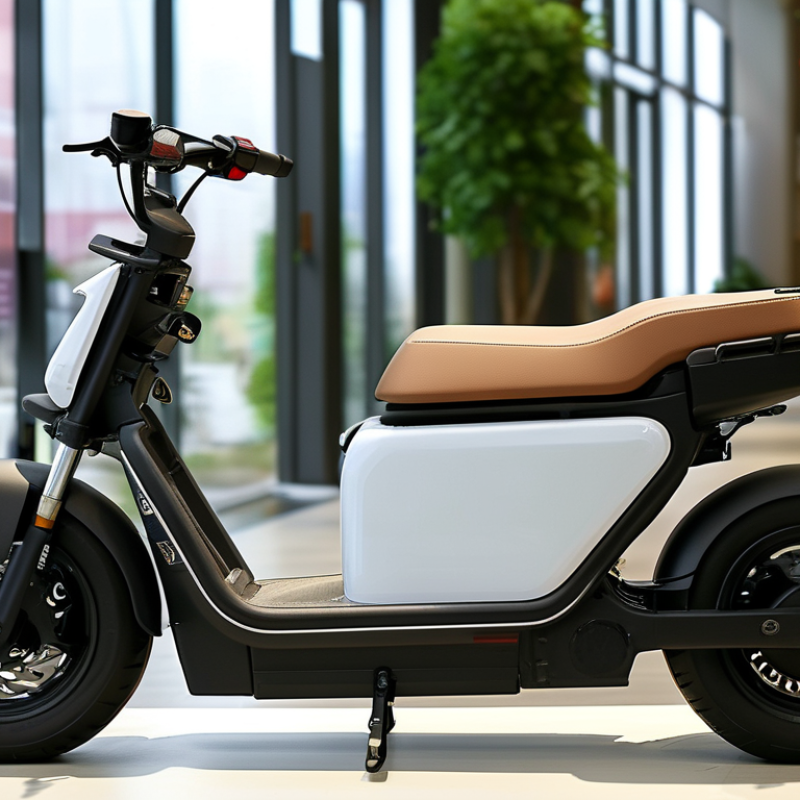
A high-quality mobility scooter from China begins with honest engineering, not a low online price. For global buyers, quality means stable performance across roads, climates, and user needs. I look for a rigid frame, smooth welds, protected wiring, and controls that respond without delay. Small details matter. A loose tiller can make a short journey feel unsafe.
Real-world testing should include braking, turning, hill climbing, and repeated folding, when applicable. The scooter should remain steady on uneven pavement. Brakes must stop the vehicle smoothly, without sudden locking. Battery range deserves careful attention. Manufacturers often measure range under ideal conditions, with light loads and flat roads. A 75-kilogram rider may achieve less in cold weather or on hills. Ask for test conditions, battery specifications, charging time, and expected cycle life.
Reliable suppliers provide clear manuals, spare-part information, inspection records, and support after delivery. They should explain which safety tests and local requirements apply in the destination market. No specification sheet replaces practical verification. Request photos of serial labels, packaging protection, and finished assembly before shipment. I would not judge quality by appearance alone. A polished shell can hide weak connectors or poor suspension. That is where careful questions matter.
| Mobility Scooter Category | Typical Maximum Speed | Typical Real-World Range | Recommended User Weight Capacity | Approximate Scooter Weight | Battery Configuration | Best Use | High-Quality Features to Verify |
|---|---|---|---|---|---|---|---|
| Compact 3-Wheel Travel Scooter | 6–8 km/h 3.7–5.0 mph |
10–18 km 6–11 miles |
100–120 kg 220–265 lb |
35–55 kg 77–121 lb, without removable battery where applicable |
24 V system; commonly 12–20 Ah sealed lead-acid or lithium battery | Indoor use, shopping centers, hotels, smooth pavements and short trips | ✓ Stable steering column ✓ Adjustable tiller ✓ Electromagnetic braking ✓ Anti-tip wheels ✓ Secure battery connector |
| Compact 4-Wheel Travel Scooter | 6–8 km/h 3.7–5.0 mph |
12–22 km 7–14 miles |
110–135 kg 243–298 lb |
40–65 kg 88–143 lb |
24 V system; typically 20–35 Ah sealed lead-acid or lithium battery | Users seeking greater straight-line stability for indoor and urban pavement use | ✓ Four-point wheel contact ✓ Low center of gravity ✓ Reliable controller cut-off ✓ Reflectors and front/rear lighting ✓ Replaceable wear parts |
| Portable Folding Scooter | 6–8 km/h 3.7–5.0 mph |
8–18 km 5–11 miles |
100–120 kg 220–265 lb |
22–35 kg 48–77 lb, depending on battery type |
24 V system; commonly 10–20 Ah lithium battery | Car transport, air travel preparation, cruises and short-distance mobility | ✓ Positive locking mechanism ✓ No frame play after folding ✓ Protected lithium battery ✓ Carrying points with reinforced structure ✓ Battery and charger safety documentation |
| Mid-Size 4-Wheel Scooter | 8–12 km/h 5.0–7.5 mph |
20–35 km 12–22 miles |
120–150 kg 265–331 lb |
60–95 kg 132–209 lb |
24 V or 48 V system; commonly 35–60 Ah lead-acid or lithium battery | Daily neighborhood travel, paved outdoor routes and moderate distances | ✓ Strong welded frame ✓ Adjustable suspension or pneumatic tires ✓ Battery protection system ✓ Smooth acceleration control ✓ Serviceable motor and gearbox |
| Heavy-Duty 4-Wheel Scooter | 8–15 km/h 5.0–9.3 mph |
25–50 km 16–31 miles |
150–200 kg 331–441 lb |
90–160 kg 198–353 lb |
24 V or 48 V system; commonly 50–100 Ah battery capacity | Longer outdoor trips, higher user loads and uneven paved surfaces | ✓ Load-tested chassis ✓ Reinforced seat and seat post ✓ Dual rear-view mirrors ✓ Hydraulic or robust mechanical braking ✓ Thermal protection for motor and controller |
| Outdoor All-Terrain Scooter | 10–15 km/h 6.2–9.3 mph |
25–45 km 16–28 miles |
120–180 kg 265–397 lb |
80–150 kg 176–331 lb |
24 V or 48 V system; commonly 40–80 Ah lead-acid or lithium battery | Outdoor paths, parks, compact gravel and moderate inclines within the rated limits | ✓ Ground clearance of approximately 100 mm or more ✓ Suspension matched to vehicle weight ✓ Large pneumatic or solid tires ✓ Sealed electrical connectors ✓ Documented gradient and obstacle limits |
| Commercial or Institutional Scooter | 6–12 km/h 3.7–7.5 mph |
15–35 km 9–22 miles |
120–180 kg 265–397 lb |
55–120 kg 121–265 lb |
24 V system; battery capacity selected according to daily duty cycle | Hotels, resorts, hospitals, airports, shopping facilities and rental fleets | ✓ High-cycle seat and armrests ✓ Easy-clean surfaces ✓ Fleet identification options ✓ Replaceable bumpers and tires ✓ Maintenance schedule and spare-parts availability |
Related Posts
-
Top 10 Mobility Scooters for Global Buyers in 2026?
-

How to Choose the Right Wheel Chair for Your Needs?
-
2026 Top Mobility Van Models You Need to Know?
-
Best Medical Equipment Lift Chairs for Comfortable Mobility?
-

10 Best Home Wheelchairs for Comfort and Mobility Needs
-
Why Choose a Wheel Chair Lift for Your Accessibility Needs?