Why Medical Chairs Are Essential for Healthcare Facilities?

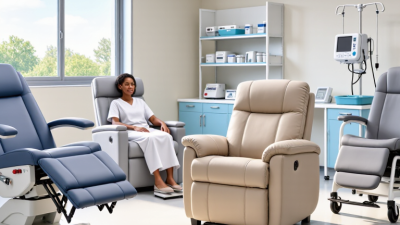
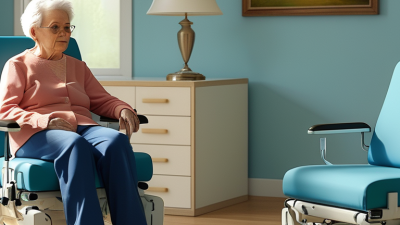
Medical chairs are essential infrastructure, not decorative additions to a healthcare facility. They support examinations, treatment, recovery, and safe patient movement. A chair may hold a frail patient, a child awaiting vaccination, or an adult receiving prolonged dialysis. Its performance affects comfort, dignity, workflow, and staff safety.

The World Health Organization’s Global Patient Safety Report 2024 estimates that one in ten patients experiences harm during healthcare, with more than half considered preventable. Medical chairs cannot eliminate every clinical risk. They can, however, reduce avoidable strain through stable bases, lockable casters, adjustable heights, and supportive positioning. The CDC and NIOSH also identify musculoskeletal injuries as persistent concerns for healthcare workers, especially during patient transfers and repositioning. Appropriate seating can create safer transfer angles. Small details matter.

Dr. Karen Jacobs, an occupational therapist and ergonomics researcher, states, “Ergonomics should fit the worker, not force the worker to fit the task.” This principle applies directly to medical chairs. A low seat may challenge an older patient’s knees. A narrow armrest may obstruct a clinician’s access. A poorly sealed cushion may complicate cleaning between appointments. Grand View Research’s medical furniture market analysis also reflects rising demand for functional, durable, and patient-centered equipment. Yet purchasing decisions should not rely on market growth alone. A perfect chair does not exist. Facilities must compare infection-control requirements, user height ranges, weight capacities, maintenance access, and real clinical behavior. Sometimes, the most expensive model is not the safest choice. Practical testing remains essential.
Why Medical Chairs Are Essential for Healthcare Facilities?

Definition and Role of Medical Chairs in Healthcare Facilities

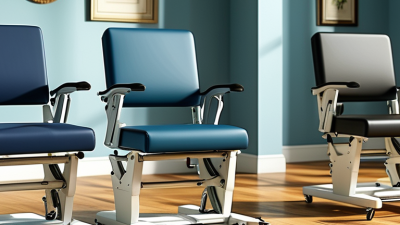
Medical chairs are purpose-built seats designed for clinical care, patient movement, and supervised treatment. Unlike ordinary chairs, they often include adjustable backs, arm supports, footrests, wheels, or reclining mechanisms. Their role is to position patients safely during examinations, infusions, dialysis, recovery, and minor procedures. A stable chair can reduce unnecessary transfers and help staff work with better body alignment. Small details matter. A firm brake matters.

In a busy healthcare facility, medical chairs support both patient comfort and clinical workflow. Nurses may adjust the backrest, elevate the legs, or move a patient closer to monitoring equipment. Padded surfaces can reduce pressure during longer appointments. Smooth, sealed materials also allow faster cleaning between users. However, comfort should not replace safety. Staff must check weight limits, locking systems, electrical controls, and transfer space before use.

The definition of a medical chair is broader than a movable seat. It is a clinical tool connected to assessment, treatment, mobility, and infection-control procedures. Different departments need different designs, so one chair cannot solve every problem. A chair suitable for an outpatient infusion room may not fit an emergency area. This distinction is sometimes overlooked. Facility teams should review patient needs, staff training, cleaning protocols, and maintenance records before selecting or replacing equipment. A useful chair supports care quietly, but poor adjustment can create discomfort, delays, or avoidable risk.

Key Types of Medical Chairs and Their Clinical Applications

Medical chairs are essential because they support safe positioning, patient comfort, and efficient clinical work. In a busy facility, the right chair can reduce transfers and protect staff from avoidable strain. Adjustable height, stable armrests, washable surfaces, and smooth locking casters matter during everyday care. Small details matter.

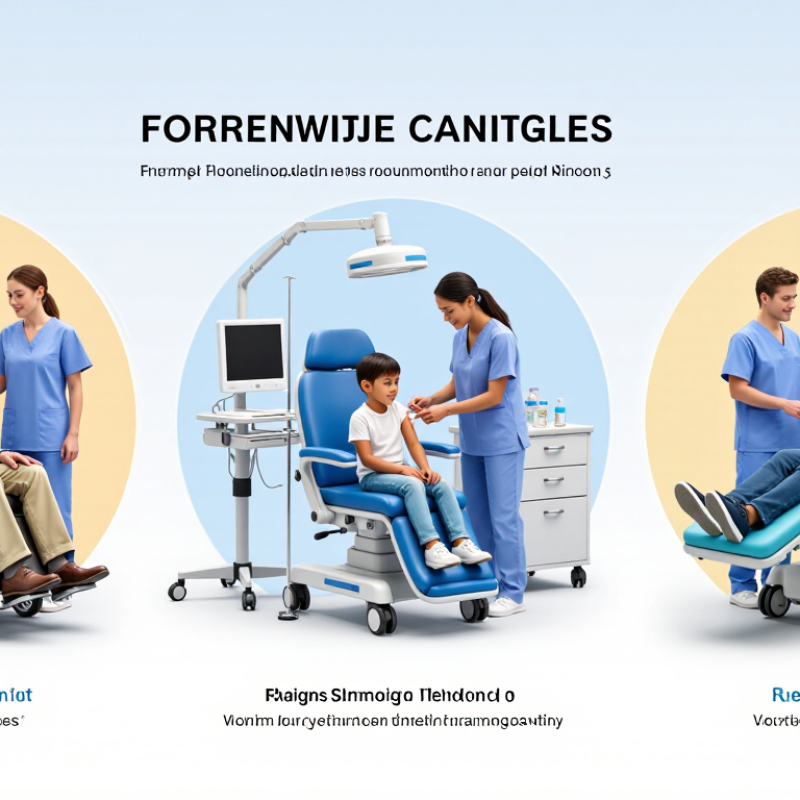
A procedure chair helps clinicians perform examinations, minor treatments, and outpatient interventions. Its reclining backrest supports access while keeping the patient secure. Infusion chairs provide padded seating, adjustable leg support, and space for monitoring equipment. Patients may sit for several hours, so pressure relief and easy repositioning are important. Dialysis chairs require stronger positioning systems and durable upholstery for repeated, lengthy sessions. Blood collection chairs usually include supportive arm surfaces that keep the limb steady and reduce anxiety. Dental and ophthalmic chairs offer precise elevation and head positioning for focused procedures.

Each clinical application needs a different balance of mobility, support, and cleaning access. A chair that works well in an examination room may be unsuitable near imaging equipment or emergency care. Staff should test controls with gloves and check whether patients can enter safely. It is easy to overvalue appearance or mechanical complexity. That can be a mistake. Regular inspection should cover brakes, hinges, cushions, and weight limits. Patient needs also change, and equipment choices should be reviewed rather than treated as permanent decisions.

Why Medical Chairs Are Essential for Healthcare Facilities? - Key Types of Medical Chairs and Their Clinical Applications
Medical Chair Type Primary Clinical Applications Key Design Features Clinical Value Important Safety and Infection-Control Considerations Typical Facility Areas
Examination and Treatment Chair Physical examinations Minor treatments Consultations Adjustable backrest and leg section; padded, wipeable upholstery; removable or adjustable arm supports; paper-roll holder on some models. Helps clinicians position patients for assessment and treatment while improving access, comfort, and ergonomic working height. Lock casters before use; check the safe working load; use a disinfectant compatible with the upholstery and follow the manufacturer’s cleaning instructions. Outpatient clinics, primary-care rooms, specialty practices, and examination rooms.
Phlebotomy or Blood-Collection Chair Venipuncture Blood donation Specimen collection Stable frame; supportive armrests or dual-arm positioning; easy access to the antecubital area; wipe-clean, non-porous surfaces. Supports consistent arm positioning, reduces patient movement during venipuncture, and gives staff clear access to the collection site. Use sharps-safety procedures; disinfect between patients; select a chair with suitable support for patients at risk of fainting and follow local observation protocols. Laboratories, blood-draw rooms, outpatient clinics, and donation centers.
Infusion and Oncology Recliner IV therapy Chemotherapy Biologic infusions Multi-position reclining back and leg rest; padded arm supports; space for infusion equipment; some models support independent back and foot adjustment. Allows patients to remain seated comfortably for extended treatments and supports access to the arm or other prescribed infusion sites. Keep tubing and lines free from pinch points; use fluid-resistant upholstery; ensure the chair can be cleaned thoroughly after spills and is compatible with the treatment workflow. Infusion suites, oncology units, ambulatory treatment centers, and specialty clinics.
Dialysis Treatment Chair Hemodialysis Apheresis Long-duration treatments Powered or manual positioning; reclining back and leg support; pressure-distributing padding; integrated controls and equipment-mounting options on some models. Provides prolonged postural support, facilitates access to vascular access sites, and can help staff position a patient when clinically required. Positioning must follow the dialysis team’s clinical assessment; protect vascular access and bloodlines; inspect electrical components and clean high-touch controls between patients. Hemodialysis units, apheresis areas, and renal-treatment centers.
Procedure or Minor-Surgery Chair Minor procedures Wound care Gynecology or urology procedures High adjustability; procedure-specific supports; stable base; accessible working height; some designs provide powered positioning or a treatment-table configuration. Improves clinician access and patient positioning during procedures while reducing manual handling and awkward working postures. Use only accessories approved for the chair; confirm stability before transferring a patient; apply aseptic technique and use protective covers where appropriate. Procedure rooms, ambulatory surgery areas, women’s health clinics, and specialty treatment rooms.
Dental Treatment Chair Dental examinations Restorative care Oral surgery Motorized height and backrest adjustment; headrest; narrow back profile for operator access; integration with dental delivery equipment in configured suites. Positions the patient for oral access and helps dental professionals maintain an efficient working posture throughout treatment. Protect upholstery from water and chemicals; disinfect contact surfaces between patients; verify that movement is clear of equipment, staff, and the patient’s limbs. Dental clinics, oral-health centers, and dental teaching facilities.
Ophthalmic or ENT Examination Chair Eye examinations ENT assessment Diagnostic procedures Controlled reclining or upright positioning; supportive head and back areas; compact footprint; compatibility with examination instruments. Provides repeatable patient positioning and supports stable examination conditions for visual, ear, nose, and throat assessments. Maintain clear access around the chair; disinfect headrests and arm supports between patients; use manufacturer-approved products to avoid damage to moving parts. Ophthalmology departments, ENT clinics, diagnostic rooms, and outpatient specialty centers.
Bariatric Medical Chair Examination Treatment Infusion Wider seat; reinforced frame; higher rated safe working load; sturdy transfer supports; powered adjustment on many clinical models. Supports equitable access to examinations and treatment while improving stability, dignity, and staff safety during transfers and repositioning. Never exceed the stated safe working load; use a suitable transfer method and adequate clearance; inspect frame, casters, actuators, and arm supports regularly. General clinics, imaging areas, infusion units, emergency departments, and specialty practices.
Mobile Patient Transport Chair In-facility transport Waiting areas Short-distance transfers Casters; push handles; brakes; footrests; supportive seat and back; folding or compact designs may be available. Enables safer movement of patients who cannot walk independently and reduces unnecessary walking between departments. Apply brakes during transfers; use footrests correctly; secure the patient according to facility policy; clean high-touch surfaces after use and inspect wheels routinely. Hospitals, diagnostic departments, emergency departments, and outpatient facilities.
Shower and Commode Chair Assisted toileting Hygiene care Post-acute care Corrosion-resistant frame; drainage-friendly seat; arm supports; casters with brakes on mobile versions; commode opening on applicable designs. Supports personal hygiene and toileting for patients with reduced mobility while reducing transfer demands for caregivers. Use on level surfaces with brakes engaged; follow weight limits; clean and disinfect after each use; dry surfaces to reduce slip and microbial risks. Inpatient units, rehabilitation facilities, long-term care, and assisted-care areas.
Selection note: Chair specifications, safe working loads, positioning functions, and permitted cleaning agents vary by model. Healthcare facilities should select equipment according to the intended clinical task, patient population, room layout, staff workflow, applicable medical-device requirements, and the manufacturer’s instructions for use.

How Medical Chairs Improve Patient Safety and Comfort

Why Medical Chairs Are Essential for Healthcare Facilities?

Medical chairs improve safety and comfort during examinations, infusions, recovery, and patient transfers. A stable chair with locking casters reduces unwanted movement near beds and treatment areas. Adjustable height also helps staff position patients without excessive bending or lifting. This matters because the Agency for Healthcare Research and Quality reports that 700,000 to 1 million hospitalized patients fall each year. A well-designed chair cannot prevent every fall, but it can reduce avoidable instability.

Comfort also supports better care. Padded surfaces, supportive armrests, and adjustable backrests help patients remain still during lengthy procedures. Pressure-redistributing cushions may reduce discomfort for people with limited mobility. Staff should check seams, brakes, and upholstery routinely. The Centers for Disease Control and Prevention states that about 1 in 31 hospital patients has at least one healthcare-associated infection on any given day. Therefore, smooth, cleanable surfaces and clear disinfection procedures are essential. A comfortable chair must still be hygienic.

Tips: Match the chair to the procedure, patient size, and transfer method. Test the brakes before every use. Keep footrests clear during transfers. Ask patients about numbness, pain, or pressure points. Small details matter. However, many facilities still choose chairs by appearance or price alone. That approach deserves reconsideration. Staff feedback, maintenance records, and patient experience data should guide future purchases. Safety is practical, not decorative.

Design Features That Support Healthcare Staff Efficiency

Why Medical Chairs Are Essential for Healthcare Facilities?

Medical chairs influence how quickly staff can examine, transfer, and monitor patients. Height adjustment helps clinicians work at safer levels during long procedures. Lockable casters provide controlled movement, while wide bases reduce unwanted shifting. Supportive armrests can assist patient transfers and reduce staff strain.

The World Health Organization reports that 1.71 billion people live with musculoskeletal conditions worldwide (WHO, Musculoskeletal Health, 2022). This figure reinforces the need for ergonomic equipment in busy clinics. Medical chairs should offer adjustable lumbar support, stable footrests, and enough clearance for wheelchairs or lifting aids. Seamless, disinfectant-resistant surfaces also reduce cleaning interruptions between appointments. Clear weight ratings matter. So does intuitive adjustment.

No chair fits every workflow. A narrow model may improve room access but limit patient comfort. A heavily padded model may feel supportive but require more cleaning time. Staff feedback should guide purchasing decisions, not appearance alone. Small trials often reveal problems that product sheets miss.

Tips: Test the chair with gloved hands. Check brake access, height controls, transfer space, and cleaning time. Ask staff to use it during a realistic patient transfer. Review findings against OSHA ergonomic guidance and local infection-control procedures. Document discomfort reports and near misses. Even useful designs need regular reassessment.

Standards for Selecting, Maintaining, and Replacing Medical Chairs

Medical chairs are working equipment, not decorative seating. Selection should begin with clinical purpose, patient mobility, cleaning demands, and room dimensions. A chair for infusion, examination, or recovery needs different support and adjustment features. Check weight capacity, seat height, arm support, locking casters, and emergency access. Staff should test controls while wearing gloves. That detail matters. Use relevant healthcare, fire-safety, and accessibility standards during procurement.

Maintenance must be scheduled, recorded, and assigned to named staff. Inspect upholstery, seams, brakes, hinges, footrests, and electrical cables at defined intervals. Clean with approved disinfectants, following contact times and surface compatibility. Do not hide small tears. A damaged seam can trap soil and weaken the chair’s structure. Operators should report unusual noise, unstable movement, or failed adjustments immediately. Training should include safe transfers, weight limits, and cleaning procedures.

Replacement decisions should use risk, not age alone. Compare repair history, downtime, inspection findings, and current clinical needs. Replace a chair when its frame bends, brakes fail repeatedly, padding loses support, or hygiene cannot be assured. Repeated repairs may cost less today but create hidden clinical risk. A checklist helps, but it is not perfect. Teams should review incidents and question whether their criteria still fit actual patient use. That reflection prevents routine from becoming complacency.

Why Medical Chairs Are Essential for Healthcare Facilities?

Standards for selecting, maintaining, and replacing medical chairs should account for patient safety, accessibility, infection control, and staff workflow. The chart below presents key ADA-related facility planning dimensions in inches.

The 30 × 48 inch clear floor space and 60 inch turning diameter are accessibility planning benchmarks. A 17–19 inch seat height is commonly specified for accessible transfer seating. Actual medical chair dimensions, weight limits, braking systems, upholstery, and replacement schedules should be verified against the chair manufacturer’s instructions, facility risk assessments, and applicable local regulations.

ACCESS ABILITY Home Medical Store has a Beautiful showroom in Cudahy To Serve You!

Corporate Office And Store
Cudahy, Wisconsin

1995 E Norse Ave
Cudahy, WI 53110
Phone: 414-486-6249
Fax: 414-486-5728