Top 10 Handicap Equipment for Home Use Buyers Should Know

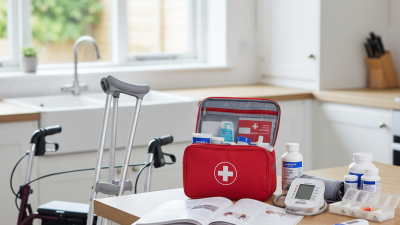
Choosing the right handicap equipment for home begins with real routines, not product rankings. A narrow hallway, slippery bathroom tile, or three doorstep steps can change everything. The World Health Organization and UNICEF reported in their 2022 Global Report on Assistive Technology that more than 2.5 billion people need at least one assistive product. That figure may exceed 3.5 billion by 2050. Demand is growing quickly.

Dr. Rory Cooper, a leading wheelchair researcher and rehabilitation expert, describes the wheelchair as “a tool for independence.” That idea should guide every purchase. Equipment must support safer transfers, easier movement, and greater control at home. It should not create new barriers. A poorly measured grab bar can feel secure but remain useless. A bulky shower chair may block the bathroom doorway. Small details matter.

This guide examines the top 10 handicap equipment for home buyers should know, including ramps, transfer benches, mobility aids, stair lifts, and bathroom safety supports. It considers stability, adjustability, maintenance, space, and caregiver involvement. The CDC’s Disability and Health Data System also shows why individual needs vary across mobility, self-care, and independent-living activities. No list fits every household. That is the uncomfortable part. Buyers should measure first, test when possible, and seek advice from occupational therapists or certified rehabilitation professionals. A cheaper product can cost more later. Safety deserves patience.

Top 10 Handicap Equipment for Home Use Buyers Should Know

Understanding Home Handicap Equipment and Its Main Uses

Home handicap equipment supports safer movement, personal care, and daily independence. Its value depends on fit, installation, and the user’s abilities.

Ten common options include grab bars, shower chairs, transfer benches, raised toilet seats, bedside commodes, walkers, wheelchairs, ramps, bed rails, and patient lifts. Grab bars support controlled standing, not towel hanging. Shower chairs reduce fatigue on wet floors. Transfer benches bridge the tub edge. Raised seats limit deep bending. Bed rails assist repositioning, but poor placement can trap a user. Wheelchairs and walkers require suitable widths, clear pathways, and correct height adjustment.

Selection should begin with transfer ability, balance, reach, home layout, and caregiver support. Measure doorways, toilet height, tub clearance, and floor slopes before ordering. A physical or occupational therapist can assess movement techniques and recommend suitable weight ratings. Follow installation instructions, inspect screws and rubber tips, and keep pathways clear. Small details matter. A ramp that is too steep may increase risk rather than improve access. Patient lifts require trained handling and regular checks; they should never be improvised. I once thought more equipment meant more independence. That assumption can be wrong. Too many aids may crowd a narrow bathroom and make turning harder. Needs can change after surgery, weakness, or recovery, so reassessment remains important.

Choosing Equipment Based on Mobility, Safety, and Space

Top 10 Handicap Equipment for Home Use Buyers Should Know

Choosing Equipment Based on Mobility, Safety, and Space

Choosing home mobility equipment starts with the person, not the product. A walker, wheelchair, or cane must match balance, strength, and walking distance. A physical therapist can assess gait and transfer ability before purchase. Small mistakes matter. A walker that is too wide may block a narrow hallway.

For bathroom safety, consider grab bars, a shower chair, a transfer bench, a raised toilet seat, and a handheld showerhead. Add non-slip flooring only when it stays flat and secure. Loose mats can increase fall risk. A bedside rail may support turning, but it should not create an entrapment hazard. Check its fit against the mattress and bed frame.

Space changes every decision. Measure doorways, turning areas, bathroom clearance, and storage corners. A compact wheelchair may fit indoors but feel unstable outdoors. A ramp needs a safe slope, firm edges, and enough landing space. Reachers can reduce bending, while adjustable beds may improve transfers. However, more equipment is not always better. Clutter can limit movement and complicate emergency access. Recheck the setup after a week. Daily use often reveals problems that measurements miss.

Top 10 Handicap Equipment for Home Use Buyers Should Know - Choosing Equipment Based on Mobility, Safety, and Space
No. Equipment Primary Mobility or Safety Benefit Typical Home Footprint Typical User Capacity Space Requirement Installation Level Best For Key Buying Considerations
1 Walking Frame Provides a stable four-point support base for users who need substantial balance assistance. Approximately 55–65 cm wide and 45–55 cm deep when open. Commonly 100–135 kg, depending on the model and configuration. Needs clear hallway width and turning space; folding models reduce storage needs. None People with reduced balance, lower-limb weakness, or recovery-related mobility limitations. Check handle height adjustment, non-slip feet, frame weight, foldability, and compatibility with the user’s gait.
2 Rollator Walker Combines walking support with four wheels, hand brakes, and often a seat for rest breaks. Approximately 55–70 cm wide and 60–75 cm deep. Commonly 100–160 kg; bariatric versions may support more. Requires wider pathways than a narrow walking frame and enough room to turn safely. None Users who can walk but need balance support and occasional seated rest. Look for reliable parking brakes, an appropriate seat height, adjustable handles, wheel size, and a stable storage basket.
3 Manual Wheelchair Supports users who cannot walk safely or need to conserve energy over longer indoor distances. Approximately 60–75 cm wide and 95–120 cm long, depending on seat width and footrests. Commonly 100–160 kg; verify the manufacturer’s stated safe working load. Plan for door clearance, turning radius, transfer space, and unobstructed routes. Low Users with limited walking ability, temporary injuries, or long-term mobility impairments. Measure doorways first; consider seat width, cushion support, folding mechanism, footrests, wheel locks, and total chair weight.
4 Transfer Board Helps a person move between a wheelchair, bed, sofa, or other level surfaces with reduced lifting. Usually 60–75 cm long, 20–30 cm wide, and only a few centimeters thick. Often 115–180 kg, depending on material and design. Needs a relatively straight transfer path and closely positioned surfaces at suitable heights. None Users with limited leg strength who retain sufficient upper-body control and sitting balance. Confirm weight rating, board length, edge smoothness, surface grip, and whether professional transfer training is needed.
5 Adjustable Overbed Table Creates a stable surface for eating, reading, communication devices, or personal care while seated or in bed. Approximately 40–45 cm wide and 80–95 cm long; height is commonly adjustable from about 70–110 cm. Often supports 10–25 kg evenly distributed. Requires clearance under the bed or chair and enough space for the table base to roll or slide. None People spending extended periods in bed or using a recliner or wheelchair. Choose a lockable height mechanism, stable base, smooth casters, edge protection, and a tabletop that fits the user’s activities.
6 Raised Toilet Seat Reduces the distance and effort required to sit down and stand up from the toilet. Fits within the toilet’s existing footprint; typically raises seat height by 5–15 cm. Commonly 100–160 kg, depending on the model. Usually suitable for compact bathrooms; side clearance is still important for transfers and grab-bar use. Low Users with limited knee, hip, or lower-body strength. Verify toilet shape and bowl compatibility, secure attachment, seat height, cleaning access, and whether armrests are appropriate.
7 Shower Chair or Bath Bench Allows seated bathing, helping reduce fatigue, slipping risk, and the need to stand on wet surfaces. Approximately 45–55 cm wide and 45–55 cm deep; some bath benches extend across the tub. Commonly 100–160 kg; reinforced models may support more. Requires enough interior shower space to sit without blocking water controls or the entrance. None Users with reduced standing tolerance, balance difficulties, or fatigue during bathing. Check adjustable legs, rubber tips, drainage holes, back and arm support, tub-wall fit, and resistance to corrosion.
8 Grab Bars Provides fixed hand support near toilets, showers, tubs, and other transfer points. Common lengths range from approximately 30–90 cm; they occupy minimal floor space. Capacity depends on secure installation; many safety standards require support for substantial loads when properly mounted. Highly space-efficient, but the bar must be positioned where the user can reach and use it effectively. Moderate Users who need support during standing, sitting, or entering and exiting a bathing area. Mount into structural blocking or suitable wall framing; avoid relying on suction-only products for weight-bearing support.
9 Threshold Ramp Reduces small step barriers at doors, patios, and room transitions for wheelchairs, walkers, and scooters. Typical rise range: 2.5–15 cm; ramp length depends on rise and the desired slope. Often 225–450 kg, but the stated load rating must be checked. Needs horizontal approach space; a longer ramp generally provides a gentler and more manageable slope. Low Homes with doorway lips, raised thresholds, or small level changes. Measure the exact rise, confirm door clearance, use a non-slip surface, and select a width that accommodates the mobility device.
10 Portable Patient Lift Assists caregivers with transfers between a bed, chair, wheelchair, and commode when the user cannot bear weight safely. Base width commonly adjusts to approximately 55–100 cm; overall length is often 100–130 cm. Commonly 135–225 kg, depending on the lift and sling system. Requires adequate room around the bed and chair, clear floor paths, and sufficient turning space. Moderate Users with severe mobility limitations who require substantial transfer assistance. Professional assessment and caregiver training are strongly recommended; check sling compatibility, emergency lowering, battery status, and floor clearance.

Top Bathroom Aids for Safer Personal Care at Home

Safer personal care begins with the bathroom, where wet floors and tight spaces can turn small movements into serious risks. Ten useful aids include grab bars, a non-slip bath mat, a shower chair, a handheld showerhead, a bath transfer bench, a raised toilet seat, toilet safety rails, a long-handled sponge, a dressing stick, and a waterproof shower stool. Each item supports a different task. A shower chair reduces standing time, while a handheld showerhead helps users wash without twisting.

Installation matters as much as the equipment itself. Grab bars should attach securely to wall framing, not only to tiles or drywall. Suction bars may assist balance, but they should not carry full body weight. A raised toilet seat can reduce knee strain, although it may feel unstable if the height is excessive. Keep frequently used towels within reach. Clear loose rugs and store toiletries below shoulder level.

A careful bathroom assessment should consider strength, balance, wheelchair access, and the user’s transfer method. An occupational therapist or qualified installer can identify risks that casual shopping misses. Test each aid slowly before regular use. I once underestimated how much a narrow doorway could limit a transfer bench; the product was suitable, but the space was not. Measure first. Recheck the setup after illness, surgery, or changes in mobility. Small adjustments can prevent rushed movements and preserve privacy during daily care.

Essential Mobility and Transfer Equipment for Daily Activities

Top 10 Handicap Equipment for Home Use Buyers Should Know

Essential Mobility and Transfer Equipment for Daily Activities

The World Health Organization reported in 2022 that about 1.3 billion people live with significant disability worldwide. Safe home equipment can support bathing, walking, toileting, and transfers. Useful options include grab bars, shower chairs, transfer benches, raised toilet seats, bed rails, transfer poles, gait belts, walkers, rollators, and portable ramps. Each item should match the user’s strength, balance, home layout, and daily routine.

Small details matter. A shower chair needs firm, non-slip feet and enough space for turning. Grab bars require secure installation into suitable wall support, not weak tile alone. A walker should allow upright posture, while its rubber tips need regular inspection. Caregivers should receive training before using gait belts or transfer poles. Poor technique can cause falls or shoulder injuries. Check the floor transition at the bathroom door.

The CDC reports that one in four U.S. adults has a disability, showing why accessible household design deserves serious attention. AARP’s 2021 Home and Community Preferences Survey found that 77% of adults aged 50 and older want to remain in their homes as they age. However, equipment alone cannot solve every problem. A home assessment by a qualified occupational or physical therapist may identify risks that buyers miss. Perfect setups are rare. Reassessment is necessary after surgery, illness, or changing mobility. WHO data supports inclusion, but individual needs still come first.

Installation, Maintenance, and Safe Use of Home Equipment

Top 10 Handicap Equipment for Home Use Buyers Should Know

Home accessibility equipment includes grab bars, shower chairs, transfer benches, raised toilet seats, handheld showers, non-slip flooring, threshold ramps, bed rails, stairlifts, and reachers. The World Health Organization’s Global Report on Health Equity for Persons with Disabilities estimates that 1.3 billion people experience significant disability worldwide. Proper installation therefore requires more than choosing a convenient product. A qualified installer should inspect wall structure, floor strength, doorway width, and user mobility before fitting equipment. Grab bars need structural anchoring, not adhesive alone. Ramps require stable surfaces and safe gradients.

Maintenance prevents small faults from becoming dangerous. Check screws, welds, rubber feet, seat hinges, and ramp edges each month. Keep shower floors dry and remove loose mats. The CDC reports that more than one in four older adults falls each year, while over three million receive emergency treatment for fall injuries. These figures make routine checks practical, not excessive. Test a raised toilet seat after installation. It should not shift under normal pressure.

Safe use also depends on training. A transfer bench may need caregiver assistance, especially during wet transfers. A bed rail can create a trapping risk when poorly positioned. Never use equipment beyond its weight rating.

I would not trust a “universal” fit without measuring first. Even careful installation can miss changing strength, balance, or vision. A therapist’s home assessment may reveal hazards that buyers overlook. Small details matter.

ACCESS ABILITY Home Medical Store has a Beautiful showroom in Cudahy To Serve You!

Corporate Office And Store
Cudahy, Wisconsin

1995 E Norse Ave
Cudahy, WI 53110
Phone: 414-486-6249
Fax: 414-486-5728