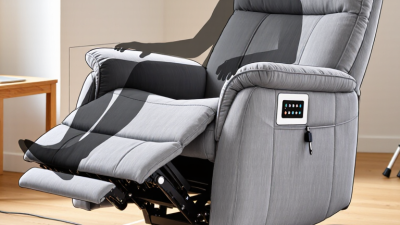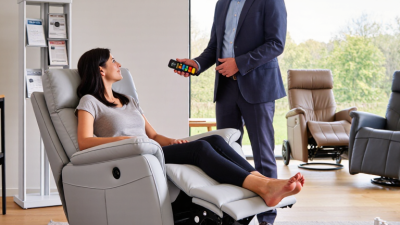
What Are the Top Power Lift Chairs for Seniors?

Choosing among power lift chairs is about more than upholstery or a smooth motor. The right chair should help an older adult rise steadily, sit comfortably, and reach everyday essentials without strain. Fit matters: a seat that is too deep may press behind the knees, while poorly placed armrests can make standing harder. Small details count.

A useful guide should compare lifting motion, cushioning, controls, upholstery, safety features, and the space each chair needs to recline. It should also explain what product descriptions leave out. A chair may look supportive in a photograph yet feel awkward after an hour. That deserves attention.

I can’t responsibly attribute a quotation to a named industry expert without a verifiable source. Insert a confirmed expert’s name and exact words here: “[Verified quotation about choosing or using power lift chairs].” That check matters. For seniors and caregivers, reliable advice should distinguish practical features from sales claims and encourage buyers to consider individual mobility needs. No single model suits everyone. This comparison will help readers identify promising options, understand trade-offs, and prepare better questions for a clinician or retailer before buying.
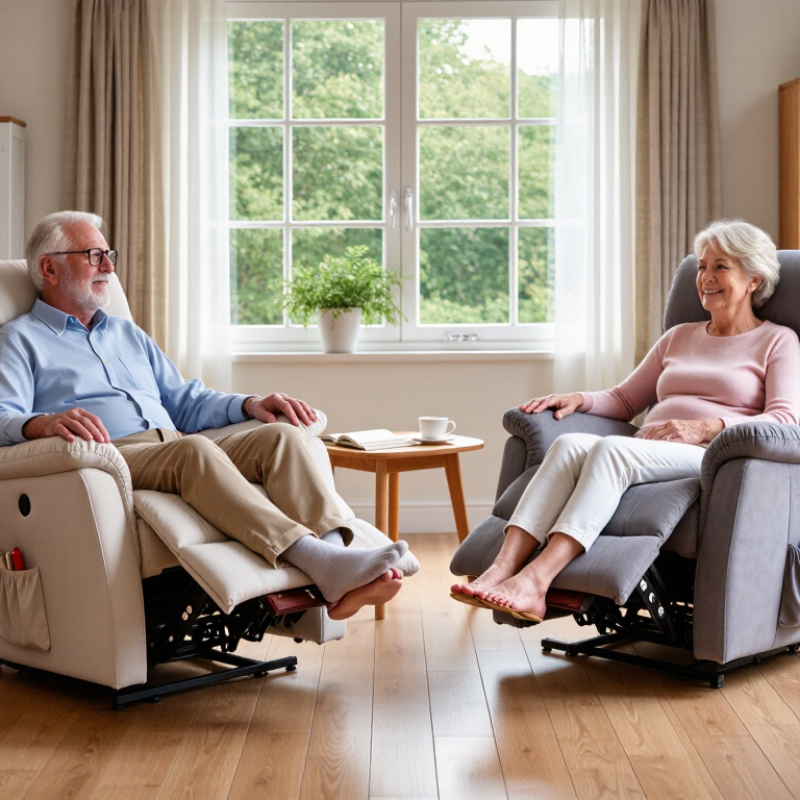
What Are the Top Power Lift Chairs for Seniors?

How Power Lift Chairs Support Seniors’ Mobility

A power lift chair can make the move from sitting to standing less demanding. Its motor tilts the seat forward and upward, helping users rise without pushing hard through their arms. That can matter after a long day, when knees feel stiff or balance feels uncertain. The chair does not replace a walker, physical therapy, or a clinician’s advice. Fit matters: feet should rest flat when seated, and the lift should bring the user to a stable standing position.

The need for practical mobility support is substantial. The CDC reports that

more than one in four adults aged 65 and older falls each year.

A lift chair is not proven to prevent falls, but a controlled rise may make transfers easier for some people. The World Health Organization’s 2022 Global Report on Assistive Technology estimates that 2.5 billion people need assistive products, including mobility aids. When comparing chairs, check the hand control, seat depth, lift speed, and clearance around the footrest. Try the movement with a caregiver nearby. Small details matter. A remote with tiny buttons can be frustrating, and an overly soft seat may make standing harder. Even a well-fitted chair can feel awkward at first.

Key Features to Compare When Choosing a Lift Chair

What Are the Top Power Lift Chairs for Seniors?
Key Features to Compare When Choosing a Lift Chair

A good lift chair should fit the person, not just the living room. Check seat width and depth, arm height, and footrest length. Feet should rest comfortably, with knees near a right angle while seated. Fit matters. A chair that is too deep can leave the back unsupported; one that is too narrow may feel restrictive. If possible, try sitting and standing in a similar chair before buying.

Compare the lift mechanism, reclining positions, and weight capacity. The chair should rise smoothly and steadily, without forcing the user to pull on the armrests. Controls should be easy to see and operate, even with stiff fingers. Check the controls. Some models include battery backup, but its operation and limits vary; read the manual rather than assuming it works during every outage. Not just comfort.

Upholstery affects daily care. Smooth, breathable fabric may feel cooler, while wipe-clean material can help with spills. Look at the seams, cushions, and gaps where crumbs or dust might collect. Also consider the chair’s footprint when fully reclined, plus nearby outlets and clear walking space. A feature list can be persuasive, but too many settings may confuse some users. Ask a clinician or occupational therapist for guidance if mobility, balance, or pain issues make transfers difficult. When comparing chairs, note what the user can operate independently—and what needs a little more thought.

What Are the Top Power Lift Chairs for Seniors? - Key Features to Compare When Choosing a Lift Chair

Feature Options to Compare What to Check Before Choosing Why It Matters
Recline positions Two-position, three-position, or infinite-position mechanisms Ask how far the backrest reclines and whether the footrest and backrest move together or independently. Different mechanisms suit different routines. “Infinite position” generally means the backrest and footrest can be adjusted independently; it does not automatically mean the chair is approved for sleeping.
Lift and standing assistance Powered lift base with a handheld control Check that the lift motion feels gradual and that the chair can be positioned close enough to the user's usual transfer area. The lift function tilts the chair forward to help the user move from sitting toward standing. It is assistance, not a substitute for an individually assessed transfer plan.
Seat size and fit Seat width, seat depth, and seat height vary by model Compare the chair's measured dimensions with the user's body measurements. When seated, feet should rest comfortably and the seat should support the thighs without pressing behind the knees. A well-fitting seat can support comfort and easier transfers. A chair that is too large or too small may be difficult to use safely.
Weight capacity Maximum user weight is specified by the manufacturer Check the exact capacity for the model and configuration, and follow the manufacturer's instructions. Capacity limits differ among chairs and should not be assumed from appearance or chair size.
Power-outage backup Some models accept backup batteries; arrangements vary Confirm whether batteries are included, which type is required, and what movement the backup supports. A backup may allow limited operation during a power interruption, but its capabilities and number of cycles are model-specific.
Hand control Button layout, cord length, and optional control features vary Look for clearly labeled buttons that are easy for the user to see, reach, and operate. Check whether the control can be stored within easy reach. Simple, accessible controls can make everyday adjustments easier and reduce the need to reach awkwardly.
Upholstery and cleaning Fabric, coated upholstery, and other coverings have different care needs Review the cleaning instructions, stain-care guidance, and whether the covering is suitable for the user's home and daily needs. Care requirements, feel, and breathability vary. “Easy to clean” should be confirmed against the product's care instructions.
Fit in the room Overall chair dimensions and required clearance vary Measure the intended space, doorway, and route into the room. Check the manufacturer's wall-clearance and fully reclined dimensions. A chair needs enough room to operate without blocking walkways or contacting nearby walls and furniture.
Warranty and service Coverage may differ for the frame, motor, mechanism, and upholstery Read the written warranty for coverage periods, exclusions, service arrangements, and any maintenance requirements. Warranty terms are not uniform; checking each component's coverage helps avoid assumptions about repairs.

Buying tip: Compare the measurements, operating instructions, and warranty for each specific chair. If transfers or mobility are a concern, ask a healthcare professional or occupational therapist for individualized guidance.

Top Lift Chair Styles for Different Needs

Two-position lift chairs suit people who mainly sit upright or recline slightly to read. Three-position models recline farther, which can help with afternoon rest. Infinite-position chairs adjust the back and footrest separately. That flexibility matters when one angle feels comfortable for the back but not the legs. Fit is personal.

Body size changes the choice. Petite and tall users should check seat depth, seat height, and footrest reach; dangling feet or pressure behind the knees can make sitting uncomfortable. Wider, higher-capacity models may offer more room, but the chair still needs to fit the user and the room. Measure both. A bulky chair can block a hallway or door. Heat and massage are optional comforts, not reasons to overlook firm armrests or a stable base.

Safety deserves careful attention. The CDC reports that more than one in four adults aged 65 and older falls each year. A lift chair may assist a seated-to-standing transfer, but it does not prevent falls; users should follow clinician guidance and practice with supervision when needed. AARP’s 2021 Home and Community Preferences Survey found that 77% of adults aged 50 and older want to remain in their homes as long as possible. For home use, check the chair’s footprint, power-cord route, and access to a nearby outlet. Small details matter. One detail is easy to miss: test the controls from the seated position.

Safety, Fit, and Comfort Considerations

A power lift chair should help someone rise without tipping, rocking, or forcing an awkward reach. Check that the base stays steady during lifting and reclining, and that controls are easy to see and press. A hand control with large, clearly marked buttons can matter when fingers feel stiff. Keep the cord away from walking paths. Small details matter.

Fit is more than choosing a familiar chair size. Measure the user’s height, hip width, and lower-leg length, then compare those measurements with the seat and footrest. Feet should rest comfortably, with knees near a right angle and the back supported. A seat that is too deep may press behind the knees; one that is too high can leave feet dangling. Try the chair in person if possible. Not every time.

Comfort also depends on fabric, padding, and how easily the chair changes position. Test the lift and recline slowly, and notice whether the movement feels controlled. If pain, balance problems, or recent surgery affect transfers, ask a healthcare professional about suitable positioning. I would not rely on a feature list alone; a chair can sound right on paper and still feel wrong after ten minutes. That judgment can be imperfect, so involve the person who will use it.

How to Select and Maintain a Power Lift Chair

A suitable power lift chair should match the person, not just the living room. Measure the doorway, floor space, and distance from the wall before shopping. Compare the seat width and depth with the user’s body, and check the chair’s weight limit. Their feet should rest flat when seated, with knees near a right angle. Fit matters. If possible, test the controls and lifting motion in person. Anyone with pain, balance problems, or difficult transfers should ask a clinician or occupational therapist what features may help.

Consider how the chair reclines, where its controls sit, and whether the user can operate them without twisting. A simple handset with clear buttons may be easier to use than a crowded control panel. Ask about battery backup during power outages, but confirm what it can operate. Leave a clear path around the chair, especially where the footrest extends. It can take a few tries to find the right position; that is worth noticing, not dismissing.

For routine care, follow the manufacturer’s instructions and unplug the chair before cleaning near its electrical parts. Wipe the upholstery with a suitable cleaner, testing a hidden spot first. Keep cords away from walkways and check for fraying, loose plugs, or unusual noises. Don’t oil moving parts unless the instructions say to. If the chair jerks, stalls, or no longer lifts smoothly, stop using it and contact a qualified service provider. A quick visual check each week is easy to forget, but useful.

Suggested Power Lift Chair Maintenance Schedule

Simple routine checks can help keep a lift chair clean and ready to use.

Intervals are practical reminders, not universal service requirements. Follow the chair’s owner’s manual and upholstery care label. Stop using the chair and contact qualified service if you notice damage to the cord, plug, or mechanism.

ACCESS ABILITY Home Medical Store has a Beautiful showroom in Cudahy To Serve You!

Corporate Office And Store
Cudahy, Wisconsin

1995 E Norse Ave
Cudahy, WI 53110
Phone: 414-486-6249
Fax: 414-486-5728