What Are the Top Types of Power Lift Chairs in 2026?

Choosing among power lift chairs in 2026 requires more than comparing colors, fabrics, and sale prices. These chairs help users move from sitting to standing with a powered lifting mechanism. They may also support safer repositioning after surgery, reduced mobility, or daily fatigue.

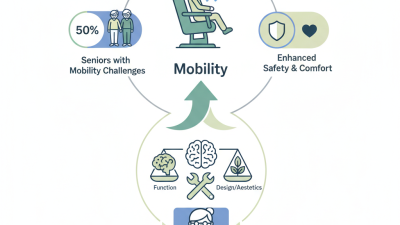
Market research shows why this category deserves careful attention. Grand View Research identifies rising demand for powered mobility seating, supported by an aging population and growing home-care preferences. AARP’s Home and Community Preferences Survey reports that most adults aged 50 and older prefer to remain in their current homes. That preference makes practical furniture increasingly important. Still, market growth does not prove that every chair improves independence.

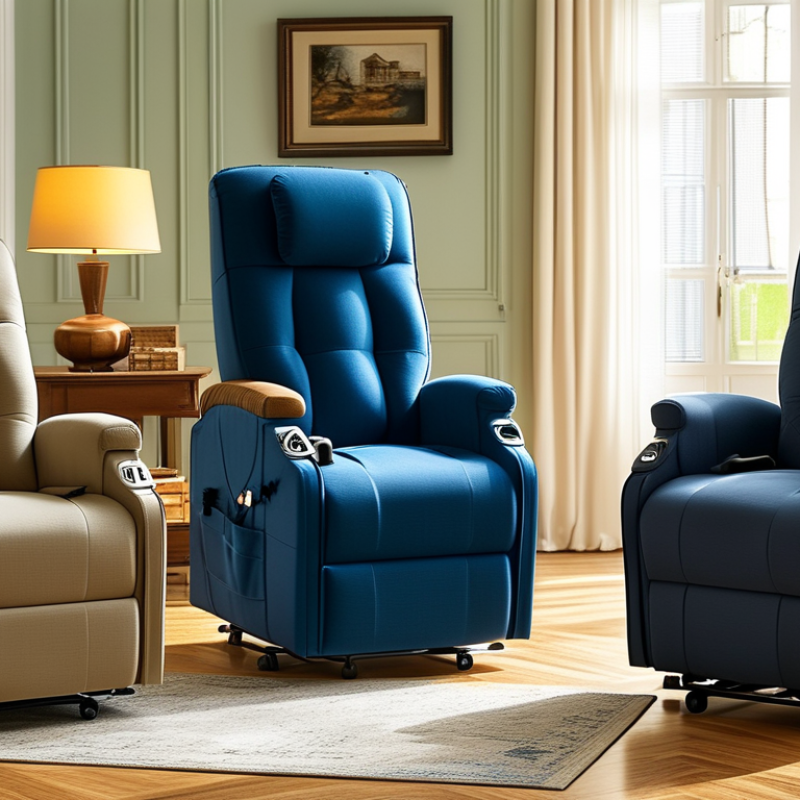
This guide examines the top types of power lift chairs, including single-motor, dual-motor, infinite-position, and heavy-duty models. Each design creates a different experience beside a living-room lamp or narrow hallway. Single-motor chairs often offer simpler controls. Dual-motor models provide more independent backrest and footrest movement. Infinite-position chairs can support flatter resting positions, but they may require more space and careful setup.

Professional guidance also matters. The National Institute on Aging recommends assessing home safety, comfort, and individual mobility needs. A chair should match the user’s height, weight, transfer ability, and preferred sleeping position. Features such as emergency battery backup, washable upholstery, and hand-control clarity deserve attention. They are easy to overlook.

No single chair suits everyone. Some product descriptions sound reassuring but omit seat depth or lift speed. That is a weakness. By comparing verified specifications, user experience, and clinical considerations, readers can make a more reliable 2026 choice.
What Are the Top Types of Power Lift Chairs in 2026?

What Defines a Power Lift Chair in 2026?

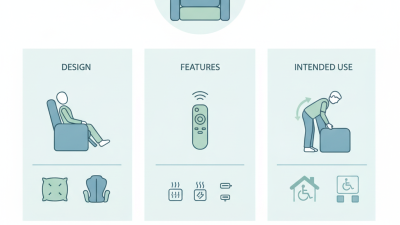
What defines a power lift chair in 2026 is controlled movement, not simply electric reclining. Its motorized lifting system gently tilts the seat and raises the user toward a standing position. The chair should also support safe sitting, reclining, and returning upright. A wired hand control usually operates these movements with clearly marked buttons. Simple matters.

Modern models may offer two-position, three-position, or infinite-position movement. Some include independent back and footrest controls, adjustable headrests, USB charging, and battery backup. These features improve daily convenience, but they do not automatically prove quality. A strong design needs a stable base, smooth motor performance, supportive cushioning, and a weight rating suited to the user. The seat should keep the hips supported without forcing the knees into an awkward angle.

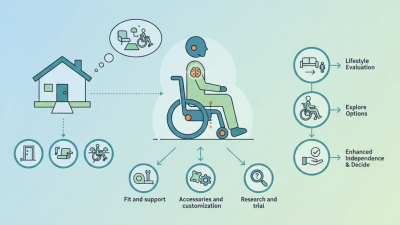
In practical home evaluations, fit remains more important than a long feature list. Measure the doorway, seat width, arm height, and distance from the wall. Check whether the footrest closes fully and whether the hand control is easy to reach at night. A quieter motor may feel more refined, yet noise can increase as parts age. That detail is easy to overlook. Users with limited strength should also seek professional guidance before relying on the chair for every transfer. A power lift chair can assist movement, but it does not replace personal judgment, proper fitting, or needed medical support.

Two-Position and Three-Position Lift Chairs

What Are the Top Types of Power Lift Chairs in 2026?

Two-Position and Three-Position Lift Chairs

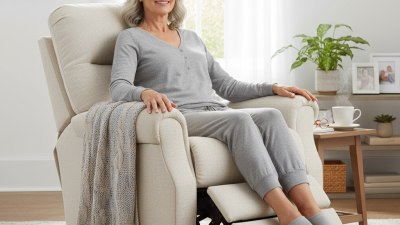
In 2026, two-position and three-position lift chairs remain practical choices for safer sitting and standing support. A two-position model usually moves from upright sitting to a raised-leg rest or near-reclined position. It suits reading, watching television, and short daytime rests. The simpler mechanism can make daily operation easier. That sounds obvious, but controls still need clear buttons and useful tactile feedback.

A three-position lift chair offers upright, elevated-leg, and fuller recline settings. The deeper angle can support longer rest, especially when the back and knees need different positioning. During home-care assessments, I would check whether the user can reach the handset without twisting. I would also test the footrest near a coffee table. Small clearance mistakes cause frustration. A chair may recline well yet block a walkway or press against a wall.

Choose by body fit, transfer needs, room size, and expected daily use. Seat width, cushion firmness, and footrest length matter more than extra features. Look for a stable base, smooth movement, emergency battery backup, and accessible safety instructions. Measurements should come from the user’s seated posture, not a guessed height. I once underestimated how much a taller user needed calf support. That oversight changed my view: comfort claims need real trials, not attractive specifications. A two-position chair may be enough, while a three-position model offers more adjustment but demands extra space.

Infinite-Position and Zero-Gravity Lift Chairs

Infinite-position and zero-gravity lift chairs are among the most useful power lift chair types in 2026. Infinite-position models let the backrest and footrest move independently. This creates more control for reading, resting, or sleeping. A user can raise the knees while keeping the upper body nearly upright. That adjustment often helps people with stiff hips, limited mobility, or circulation concerns. Still, comfort depends on body size and chair dimensions. Bigger is not always better.

Zero-gravity lift chairs follow a posture inspired by spaceflight seating. The legs rise close to heart level, while the back reclines gently. This position can reduce pressure on the lower back and create a lighter, balanced feeling. It is especially practical after long periods of standing. However, I would not assume zero gravity suits everyone. Some users may feel unstable or dislike the deeper recline. Personal testing matters.

Look for a quiet motor, a smooth lifting motion, and clearly labeled controls. The handset should be easy to hold with limited finger strength. Check the seat width, seat depth, and maximum weight rating before purchase. Leave enough space behind and beside the chair for safe movement. Keep cords away from walking paths. A trained healthcare professional can offer more useful guidance when swelling, pain, or balance problems are involved. Small details matter. In practice, even an excellent chair may need a cushion, slower adjustments, or a different footrest angle.

Bariatric and Heavy-Duty Power Lift Chairs

What Are the Top Types of Power Lift Chairs in 2026?

Bariatric and heavy-duty power lift chairs are designed for users who need more space, stronger support, and safer transfers. Their reinforced frames often support higher weight capacities than standard lift chairs. However, capacity alone does not guarantee comfort or stability. Check the published limit carefully, and leave a reasonable safety margin.

A wide seat, firm cushions, and a stable footrest can reduce pressure during long sitting periods. Dual motors may adjust the backrest and leg rest independently, helping users find a more natural position. A lift mechanism should raise the user steadily, without sudden movement. Keep the chair on a level floor. Small details matter.

Seat depth and height still need personal fitting. A chair that is too deep may leave the lower back unsupported. A seat that is too high can make the feet dangle. Measure the user, doorway, room clearance, and nearby furniture before ordering. Battery backup can help during short power interruptions, but it is not permanent emergency power. One common mistake is choosing the largest chair available. Bigger is not always safer. An occupational therapist or qualified medical equipment professional can assess posture, transfer ability, and daily use. Upholstery should also be easy to clean, especially when the chair is used frequently. No model suits every body, and comfort claims should be tested rather than accepted blindly.

What Are the Top Types of Power Lift Chairs in 2026? - Bariatric and Heavy-Duty Power Lift Chairs
Power Lift Chair Type Typical Weight Capacity Common Seat Width Lift and Recline Configuration Best Suited For Key Features Important Buying Considerations
Standard Two-Position Lift Chair Up to approximately 300 lb 18–21 in Upright seating, TV-recline position, and assisted standing Adults who need basic support when sitting down or standing up Simple wired remote, padded armrests, supportive backrest, and compact footprint Usually offers less leg elevation and fewer positioning options than multi-position models
Three-Position Power Lift Chair Up to approximately 300–350 lb 19–22 in Upright, partially reclined, and near-flat sleeping position Users who want both daily seating and occasional overnight rest Independent backrest and footrest movement, extended recline, and cushioned seat support Confirm the fully reclined length and allow adequate clearance behind the chair
Infinite-Position Lift Chair Up to approximately 300–400 lb 19–23 in Backrest and footrest adjust independently, including near-zero-gravity positions People who require precise positioning for comfort, circulation, or prolonged sitting Multiple personalized angles, independent dual-motor operation, and flexible leg elevation More motors and controls can increase cost; users should understand the remote functions
Bariatric Power Lift Chair Approximately 400–600 lb 22–30 in Two-position, three-position, or infinite-position configurations Adults who need a wider seat and a higher supported weight rating Reinforced frame, heavy-duty lifting mechanism, wider seating area, and durable upholstery options Measure the user's hip width, chair doorway clearance, floor space, and required transfer height
Heavy-Duty Dual-Motor Lift Chair Approximately 400–700 lb 24–32 in Independent back and footrest adjustment with powered lift assistance Users who need high capacity plus more precise reclining control Reinforced steel components, two-motor operation, sturdy base, and improved weight distribution Check whether the stated capacity applies to the complete chair and verify the warranty terms
Extra-Wide Heavy-Duty Lift Chair Approximately 500–700 lb 28–32 in Commonly available with three-position or infinite-position reclining Users who prioritize generous hip and shoulder room Extra-wide seat, reinforced upholstery, broad armrests, and enhanced stability during lifting A seat that is too wide may reduce lateral support; compare seat depth and usable seat width
Power Lift Recliner with Zero-Gravity Position Up to approximately 300–500 lb 20–30 in Back and legs elevate into a position designed to distribute body weight more evenly People seeking pressure relief and a more supportive resting posture Elevated legs, adjustable back angle, lumbar cushioning, and optional heat or massage on some models Heat and massage are comfort features, not substitutes for clinical treatment; check electrical controls carefully
Wall-Hugger Power Lift Chair Approximately 300–500 lb 19–28 in Powered lift and recline with a space-saving forward-glide mechanism Small rooms, apartments, and areas where rear clearance is limited Reduced wall distance, powered footrest, lift assistance, and space-efficient design Even wall-hugger models need front clearance; follow the manufacturer's required measurements
Trendelenburg-Style Lift Chair Approximately 300–500 lb 20–30 in Allows the body to recline while the legs can be positioned above the heart level Users who have been advised by a healthcare professional to elevate the legs substantially Extended leg elevation, multiple motor options, supportive headrest, and adjustable positioning Consult a healthcare professional before use, especially with circulation, heart, or respiratory conditions
Outdoor or Easy-Clean Power Lift Chair Approximately 300–500 lb 20–28 in Powered lift and recline, generally with upright and partial-recline positions Covered patios, enclosed porches, or users who need easier-cleaning upholstery Moisture-resistant or wipe-clean materials, durable frame, and removable cushions on selected designs Most powered chairs are not designed for direct rain; protect the motor, controller, and electrical connections
Capacity, dimensions, and available positions vary by model. Always verify the manufacturer's specifications, measure the intended space, and select a chair with an appropriate safety margin above the user's weight.

How to Choose the Right Lift Chair for Your Needs

How to Choose the Right Lift Chair for Your Needs

Power lift chairs in 2026 include two-position, three-position, infinite-position, and zero-gravity designs. The best choice depends on mobility, room size, and daily routines. A two-position chair suits reading and television. An infinite-position model supports independent back and leg adjustment. It may help users who nap, manage swelling, or need a flatter resting angle.

AARP’s 2021 Home and Community Preferences Survey found that 77% of adults aged 50 and older want to remain in their current homes. This preference makes safe seating increasingly practical. Check the chair’s lift speed, seat height, weight capacity, and emergency battery backup. Your feet should touch the floor when seated. The armrests should support standing without forcing your shoulders upward. A chair can look comfortable online but feel restrictive after ten minutes. I would test it slowly, not trust appearance alone.

Tips: Measure the doorway, wall clearance, and reclined length first. Ask a clinician or occupational therapist about posture and transfer needs. Choose wipe-clean fabric if spills are likely. Confirm the warranty, service access, and replacement remote policy. Avoid buying only for extra features. A powerful motor cannot fix poor fit. Also, reassess the choice after regular use; pain, balance, or swelling can change. The National Institute on Aging recommends reducing fall hazards and improving home support, but a lift chair is only one part of that plan.

ACCESS ABILITY Home Medical Store has a Beautiful showroom in Cudahy To Serve You!

Corporate Office And Store
Cudahy, Wisconsin

1995 E Norse Ave
Cudahy, WI 53110
Phone: 414-486-6249
Fax: 414-486-5728