CALL TODAY for FREE In home consultation
SEND EMAIL
1995 East Norse Avenue
Cudahy, Wisconsin 53110
414-727-2524
4445 W Forest Home Avenue
Milwaukee, Wisconsin 53219
414-727-2525
2140 American Drive
Neenah, Wisconsin 54956
920-257-6060
65 Copeland Avenue
La Crosse, Wisconsin 54603
608-784-9980
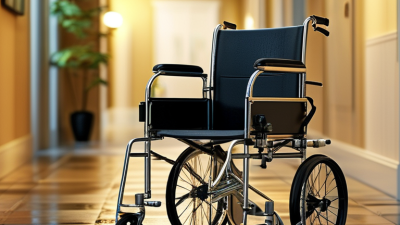
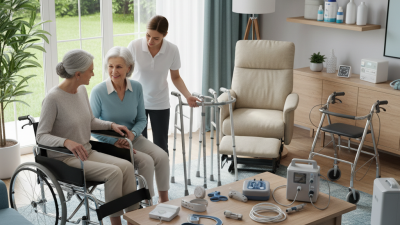
Home medical supply refers to equipment and consumable products used in a patient’s home. These items may include mobility aids, wound-care materials, respiratory devices, diagnostic tools, and daily-living supports. The category is practical, but it is not simple. A blood-pressure monitor on a kitchen table can affect treatment decisions. A poorly fitted walker can increase fall risk.
Demand is expanding as healthcare moves closer to the home. The World Health Organization’s Global Report on Assistive Technology estimates that more than 2.5 billion people need at least one assistive product. That figure may exceed 3.5 billion by 2050. Grand View Research also reports continued growth in the global home healthcare market, supported by aging populations and chronic disease management. These reports show opportunity, not automatic quality.
Sourcing home medical supply requires evidence, not attractive product pages. Buyers should verify intended use, technical specifications, labeling, warranty terms, complaint procedures, and supplier experience. Regulatory requirements vary by product and market, so professional review remains important. FDA guidance and ISO 13485 quality principles can help buyers assess manufacturing controls, although certification alone is not a complete guarantee. Ask for batch records when appropriate. Check packaging before use.
The cheapest quote can become expensive later. Shipping damage, missing instructions, and inconsistent replacement parts create real problems. I would compare at least three qualified suppliers and request samples when safety allows. A catalog may look authoritative. It may still hide gaps. Reliable sourcing combines clinical advice, documented quality systems, transparent pricing, and careful follow-up after delivery.
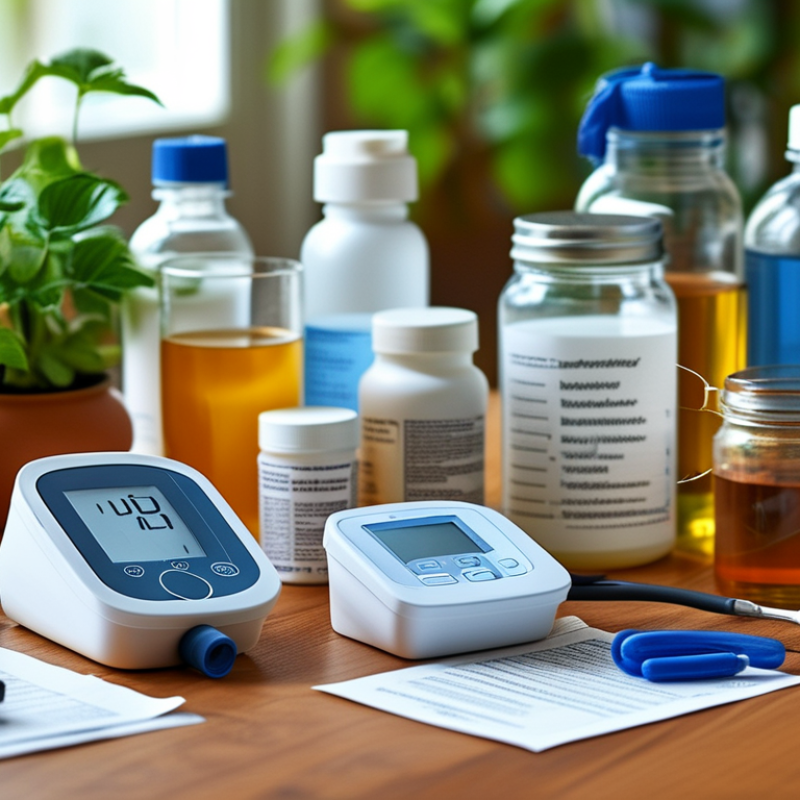
Home medical supplies are healthcare items used outside hospitals, usually in a person’s home. They can include mobility aids, wound-care materials, glucose-testing tools, compression products, and bathroom safety equipment. Some are reusable, while others must be replaced after one use. The right supply depends on a person’s condition, living space, daily routine, and care plan.
A reliable selection begins with professional guidance. A clinician, pharmacist, or qualified medical supplier can check size, fit, instructions, and possible risks. For example, a walker should match the user’s height and allow stable movement across the floor. A blood pressure monitor should fit the arm correctly and be used as directed.
Small details matter. Poor fit can cause discomfort or inaccurate readings.
I have seen caregivers focus on price and overlook storage conditions, cleaning needs, or replacement schedules. That mistake is understandable, but costly. Supplies should come from a legitimate source with clear product information, customer support, and return policies. Check expiration dates and inspect packaging before use. Keep purchase records for warranty or reimbursement questions. Guidance can still be imperfect, especially when several health conditions overlap. Ask for clarification when instructions conflict, and stop using an item if it causes pain, damage, or unusual symptoms.
Home medical supplies support daily care, recovery, and long-term health needs at home.
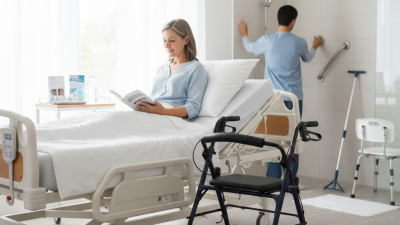
Mobility aids include walking frames, canes, wheelchairs, transfer benches, and bedside rails. These items can reduce falls, but poor sizing may create new hazards. A physical therapist should check height, balance, and room layout before purchase.
Wound-care supplies include sterile dressings, gauze, skin cleansers, adhesive materials, and disposal containers. People managing diabetes may also need glucose meters, test strips, lancets, and sharps containers.
Respiratory supplies can include nebulizers, oxygen accessories, and humidification equipment, but these require professional guidance. Never guess with breathing equipment.
Monitoring supplies often include thermometers, blood-pressure monitors, pulse oximeters, and scales. Daily-living aids may include raised toilet seats, shower chairs, reachers, pill organizers, and incontinence products.
I have found that comfort and simple instructions matter as much as technical features. Small details matter.
Before sourcing anything, compare measurements, replacement costs, cleaning requirements, and return policies. Buy through licensed pharmacies, medical suppliers, or healthcare providers, and check product instructions carefully. An official-looking package is not proof of quality. A checklist can still miss the patient’s actual routine, so reassess the equipment after use.
Assessing home medical supply needs starts with daily routines, not a shopping list. Identify the task causing difficulty: standing from a chair, managing medication, checking blood pressure, or moving safely between rooms. The WHO and UNICEF Global Report on Assistive Technology (2022) estimates that more than 2.5 billion people need at least one assistive product worldwide. That number may rise beyond 3.5 billion by 2050. Your needs may be smaller, but they still require careful attention.
Record the user’s diagnosis, mobility level, hand strength, vision, and home layout. Measure doorways, bed height, bathroom space, and storage areas. Ask how often the item will be used and who will provide assistance.
A clinician or qualified occupational therapist can check fit, technique, and possible risks. The CDC reports that 27% of U.S. adults have a disability, based on 2022 data. This supports individualized planning rather than assuming one solution fits everyone. A neat checklist can still miss fatigue, embarrassment, or changing symptoms. I would reassess after actual use.
Tips: Keep a one-week needs diary. Note pain, falls, near-falls, and difficult movements. Photograph measurements, with permission. Compare product instructions, cleaning requirements, weight limits, warranty terms, and professional guidance. Avoid buying equipment only because it looks convenient. I have learned that “almost suitable” can become unsafe at home. Recheck the plan after two weeks, especially if the user’s condition, confidence, or caregiver support changes.
Home medical supplies include items used for daily care, recovery, monitoring, and mobility at home. Common examples include wound dressings, blood pressure monitors, compression garments, walkers, and disposable gloves. Sourcing them safely starts with the person’s clinical needs, not a low price. A nurse, pharmacist, or qualified clinician can confirm the correct size, strength, and usage method.
Reliable sources include licensed pharmacies, accredited medical supply stores, hospital discharge departments, and established online suppliers with clear contact details. Check whether the seller provides product instructions, expiry dates, batch information, and a practical return policy. For electrical devices, review safety certification and warranty terms. Keep the receipt and record the purchase date. Small details matter.
I once saw a family order a mobility aid without measuring the doorway or the user’s height. The product arrived quickly, but it was difficult to use. That mistake was avoidable. Before ordering, measure the room, compare specifications, and ask about delivery packaging. Confirm that sterile items have intact seals. Do not use damaged or expired supplies. Online reviews can help, but they are not clinical evidence. When a product affects medication delivery, breathing, wound care, or fall prevention, professional advice is worth the extra step. Availability can differ by region, so verify local requirements before purchasing.
Home medical supplies include mobility aids, wound-care items, monitoring devices, and daily living supports. Safe sourcing starts with a clinician’s assessment, not an attractive product photo. Check the user’s measurements, diagnosis, required features, warranty, instructions, and replacement parts. The World Health Organization’s Global Report on Assistive Technology (2022) estimates that more than 2.5 billion people need assistive products worldwide. That need may exceed 3.5 billion by 2050. Choose supplies from verified distributors with traceable product information and responsive technical support.
Use every item exactly as instructed. A blood pressure monitor needs the correct cuff size, a clean arm, and consistent positioning. Keep readings in a simple log, including the time and unusual symptoms. Never adjust treatment from one reading alone. For wound-care products, wash hands, check packaging, and avoid using damaged or expired sterile items. Small errors matter. The WHO Global Patient Safety Action Plan reports that one in ten patients experiences harm in healthcare. More than half of this harm is preventable.
Maintenance should be routine, visible, and boring. Wipe reusable surfaces with an approved method, dry them fully, and inspect tubing, straps, batteries, and connectors for cracks. Store supplies away from heat, moisture, children, and pets. Label opened packages with the date. Replace parts when the instructions require it, not only when failure becomes obvious. The weak point is often human memory, so a calendar reminder can help. I would still review the process with a nurse or therapist, because written instructions may not fit every home.
1995 E Norse Ave
Cudahy, WI 53110
Phone: 414-486-6249
Fax: 414-486-5728