What Are the Top 10 Types of Medical Chairs?

Medical chairs are not simply seats with wheels or clinical upholstery. They shape how patients are examined, treated, transferred, and supported during care. A chair used for blood collection must offer quick access to an arm. A dialysis chair needs adjustable support for longer sessions. Small details matter: armrest movement, foot positioning, wipe-clean surfaces, and clear access for caregivers.

Ergonomics researcher Alan Hedge is often associated with the principle, “Good ergonomics is good economics.” That idea fits medical seating, though comfort alone cannot determine the right choice. This guide introduces ten common types of medical chairs, including examination, infusion, dental, phlebotomy, dialysis, procedure, birthing, transport, bariatric, and treatment chairs. Their names and uses can overlap. That is worth acknowledging. A clinic may use one adjustable chair for several tasks, while a hospital may need specialized models. The best fit depends on the patient, the care setting, transfer needs, cleaning routines, and the manufacturer’s stated capacity. Staff training and maintenance matter, too. A feature list cannot replace an on-site assessment. Nor does a costly chair guarantee a better experience. The sections ahead compare practical uses, key features, and selection considerations, helping readers ask better questions before choosing medical chairs.

What Are the Top 10 Types of Medical Chairs?

What Defines a Medical Chair?

What Defines a Medical Chair?

A medical chair is defined by its clinical purpose, not by a white frame or wipe-clean surface. It supports a specific care task, such as examination, treatment, transport, or assisted transfer. Useful features may include stable armrests, adjustable height, secure brakes, and upholstery that tolerates routine cleaning. The right design depends on who will use it and where. A chair beside an examination table has different demands from one used for transfers. Not merely a seat.

Safety deserves close attention. AHRQ’s Patient Safety Network reports that an estimated 700,000 to 1 million patients fall in U.S. hospitals each year. This figure covers hospital falls generally; it does not mean chairs cause them. Still, chair height, foot placement, and brake access can affect how safely someone sits or stands. In practice, a brake that is hard to reach or a seat that feels unstable can undermine an otherwise careful transfer. No single design fits every patient.

Tips: Check stability, brake operation, seat height, and cleaning instructions in the actual care setting. Test transfers with trained staff. Small fit problems can be easy to miss on a product sheet.

How Medical Chairs Are Classified by Clinical Function

Medical chairs are most useful when classified by clinical function, not appearance. Examination chairs support routine assessments and adjustable patient positioning. Procedure chairs provide stable access during minor interventions. Infusion chairs allow patients to sit or recline during lengthy treatments. Dialysis chairs support extended sessions and frequent position changes. Phlebotomy chairs help keep an arm accessible for blood collection. Dental chairs position the patient for oral care. Ophthalmic chairs support eye examinations and treatment. Birthing chairs accommodate labor and delivery positions. Transport chairs help move patients between care areas. Treatment recliners serve patients who need seated care or recovery.

The categories can overlap. A recliner may be used for infusion, while a procedure chair may also support examination. That makes selection less tidy than a catalog suggests. Consider the care task, patient transfer needs, working access, cleanable surfaces, and required adjustments. Staff should also check safe working-load limits and follow their facility’s clinical protocols. A chair that looks versatile may still restrict access to equipment or make transfers awkward.

Tips: Match the chair to the longest or most demanding task it will support. Check the brakes, armrests, and adjustment controls in person. Small details matter.

Ten Common Types of Medical Chairs and Their Uses

Medical chairs are designed around specific tasks, patient positions, and cleaning needs. Examination chairs support routine assessments, while phlebotomy chairs stabilize an arm during blood draws. Infusion chairs offer adjustable positions for longer treatments. Dialysis chairs support extended sessions with repositioning options. Dental chairs provide reclined access for oral procedures, and ophthalmic chairs help position patients for eye exams. Each type serves a different purpose.

Treatment chairs accommodate minor procedures; transfer chairs help staff move patients between locations. Shower and commode chairs assist bathing and toileting. Geriatric recliners support rest and supervised care. CDC reports that more than one-quarter of adults aged 65 and older fall each year. That figure makes stable seating, secure brakes, and suitable armrests important considerations, especially for transfer and bathing chairs. Yet no chair alone prevents falls.

Tips: Match the chair to the task and the patient’s mobility. Check weight capacity, adjustment range, upholstery seams, and cleaning instructions before purchase. Ask staff to test controls and brakes with the chair occupied. Small details matter. A footrest that catches a shoe can disrupt a transfer, and a narrow seat may be uncomfortable during a long visit. Reassess fit as patient needs change.

Key Features That Distinguish Medical Chair Designs

What Are the Top 10 Types of Medical Chairs?
Key Features That Distinguish Medical Chair Designs

Medical chairs differ by how they support patients and clinical tasks. Examination chairs often have adjustable backs and leg sections, while procedure chairs may add precise positioning controls. Phlebotomy chairs use arm supports that help keep an arm steady during blood collection. Dental chairs recline deeply and allow clinicians to reach patients from different angles. Small details matter.

Dialysis chairs and infusion recliners prioritize extended sitting, with padded surfaces and adjustable footrests. Birthing chairs focus on supported positioning and access for care. A treatment recliner may offer quick changes between upright and reclined positions. Wheelchairs emphasize mobility, brakes, and transfer access; transport chairs are designed for assisted movement. Bariatric models typically use wider seats and higher load ratings. Fit matters.

Look beyond the chair’s label. Check seat height, weight capacity, upholstery seams, cleanability, and how easily controls can be reached. In a real clinic, a footrest that looks convenient may obstruct transfers, and a wipeable surface can still collect soil around seams. A feature list can mislead without considering room layout and patient needs. Staff should assess the chair in its intended setting and follow the manufacturer’s instructions for use.

What Are the Top 10 Types of Medical Chairs? - Key Features That Distinguish Medical Chair Designs

Medical Chair Type Typical Use Distinguishing Features Common Adjustments or Accessories Key Selection Consideration
Examination Chair Routine checkups and general physical examinations Upholstered, wipeable surfaces; a backrest and seat designed to support patients during examinations Adjustable backrest, height adjustment, removable or adjustable leg supports on some models Choose a design that suits the examinations performed and allows staff to position patients safely.
Gynecological Examination Chair Pelvic examinations and related outpatient procedures Positioning features that provide access to the pelvic area, typically including a contoured seat and leg supports Adjustable leg supports, movable backrest, height adjustment, optional foot controls Check the range of positioning, patient transfer access, and ease of cleaning around moving parts.
Phlebotomy Chair Blood draws and other venous access procedures Stable seating with arm support designed to help position an arm for venipuncture Adjustable or pivoting armrests, recline on some models, height adjustment Look for secure arm support and a stable base; reclining options may be useful for patients prone to fainting.
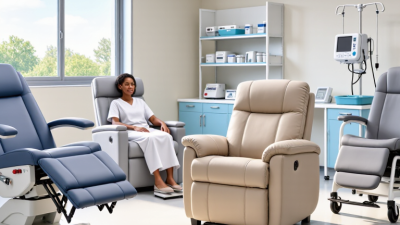
Infusion or Chemotherapy Recliner Longer treatments such as intravenous infusion Reclining seat and back designed for extended periods of sitting, with space for clinical access Independent backrest and leg-rest adjustment, swivel tray, IV-pole attachment, lockable casters Consider comfort, cleanability, safe positioning, and clearance for treatment equipment.
Dialysis Chair Hemodialysis sessions, which commonly involve prolonged seated treatment Reclining support and positioning intended to accommodate extended sessions and vascular access Adjustable back and leg sections, hand control or staff control, lockable casters, optional scale integration Verify compatibility with the clinic’s workflow, patient monitoring needs, and required weight capacity.
Dental Patient Chair Dental examinations and treatment Articulated design that positions the patient while allowing the dental team access to the head and mouth Adjustable headrest, powered back and seat positioning, foot control, coordinated movements on some models Assess the chair’s positioning range, patient entry and exit, and fit with the treatment-room layout.
Ophthalmic Examination Chair Eye examinations and ophthalmic procedures Positioning designed to bring the patient’s head to a suitable working height for eye-care equipment Height adjustment, reclining backrest, head support, foot control on some models Check that the chair can be positioned accurately alongside the examination equipment.
Procedure or Minor-Surgery Chair Outpatient procedures that require controlled patient positioning Adjustable sections and a stable platform to support a range of clinical positions Powered or manual positioning, adjustable leg section, removable supports, lockable casters Match the positioning capabilities and cleanable surfaces to the procedures and infection-control practices.
Patient Transport Chair Moving seated patients through healthcare facilities Wheeled frame with handles and brakes, designed for assisted transport rather than prolonged treatment Folding or removable footrests, swing-away armrests, seat belt, push handles Consider maneuverability, transfer needs, braking, and the chair’s rated load capacity.
Bariatric Medical Chair Seating patients who need a wider seat or higher rated load capacity Reinforced construction and a broader seating area compared with standard designs Wide armrests, heavy-duty frame, powered positioning on some models, larger casters Confirm the stated weight capacity and seat dimensions; capacity and features vary by model.

Features vary by model. Select chairs according to the clinical task, patient needs, room layout, cleaning requirements, and the manufacturer’s stated safe working load.

How to Choose a Medical Chair for a Care Setting

Choosing a medical chair starts with the person who will use it and the tasks staff need to perform. A treatment room may need an exam chair with adjustable positioning, while a waiting area may call for sturdy seating with supportive arms. For bathing or toileting, prioritize stable frames, appropriate seat openings, and surfaces that can be cleaned easily. The right chair is not always the most adjustable one.

Check the user’s mobility, transfer method, and comfort needs with care staff. Measure doorways, turning space, and the chair’s footprint before ordering. Confirm its stated weight capacity and whether brakes, footrests, or removable arms suit daily routines. Small details matter: a slippery floor, a narrow arm gap, or a control placed out of reach can complicate transfers. Cleanability matters, too. Look for materials that tolerate the facility’s approved cleaning process, and inspect seams where soil may collect. Ask staff to test the chair in the actual room, not just a showroom. That sounds obvious, but it gets missed. Reassess after use; a chair that works for one person or shift may not fit another.

10 Types of Medical Chairs: Typical Design Emphasis

Compare common design priorities to help identify what to consider for a care setting.

Scores indicate generalized category-level emphasis: 0 = usually not a defining feature, 1 = sometimes relevant, and 2 = commonly important. Actual features vary by model. When choosing a chair, consider the care task, patient transfers, adjustability, cleanability, space, and required safety features.

ACCESS ABILITY Home Medical Store has a Beautiful showroom in Cudahy To Serve You!

Corporate Office And Store
Cudahy, Wisconsin

1995 E Norse Ave
Cudahy, WI 53110
Phone: 414-486-6249
Fax: 414-486-5728