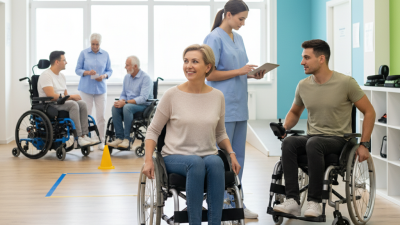
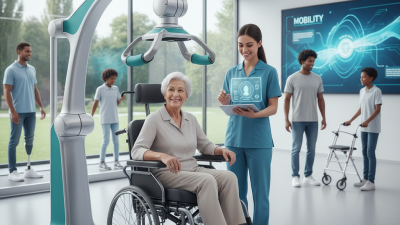
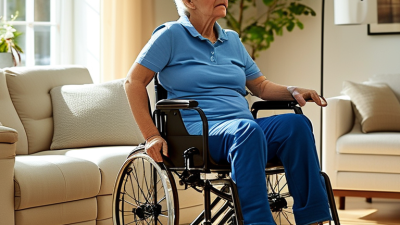
| Mobility and Transfer |
Wheelchairs, walkers, canes, crutches, transfer boards |
Supports walking, transfers, posture, and independent movement while reducing fall risk. |
People with reduced mobility, older adults, and individuals recovering from injury or surgery. |
Correct size and fit, weight capacity, adjustability, stability, brake performance, and replacement parts. |
Consider terrain, doorway widths, local repair services, shipping dimensions, and the availability of trained fitting support. |
| Respiratory Care |
Oxygen concentrators, oxygen cylinders, nebulizers, positive airway pressure devices |
Delivers or supports respiratory treatment prescribed for conditions such as chronic breathing disorders or sleep-related breathing problems. |
Patients requiring prescribed oxygen therapy, inhaled medication, or positive airway pressure support. |
Output accuracy, alarm functions, noise level, filter replacement, cleaning instructions, and clinical prescription requirements. |
Electricity reliability is important for powered devices. Oxygen cylinders require safe storage and dependable refill or delivery logistics. |
| Patient Monitoring |
Blood pressure monitors, thermometers, pulse oximeters, blood glucose meters |
Measures selected health indicators to support routine monitoring and communication with healthcare professionals. |
People monitoring chronic conditions, patients in recovery, and caregivers providing home support. |
Measurement accuracy, clear displays, simple controls, data storage, cuff or sensor sizing, and validated performance where applicable. |
Buyers should verify local regulatory requirements, language options, measurement units, calibration procedures, and availability of consumables. |
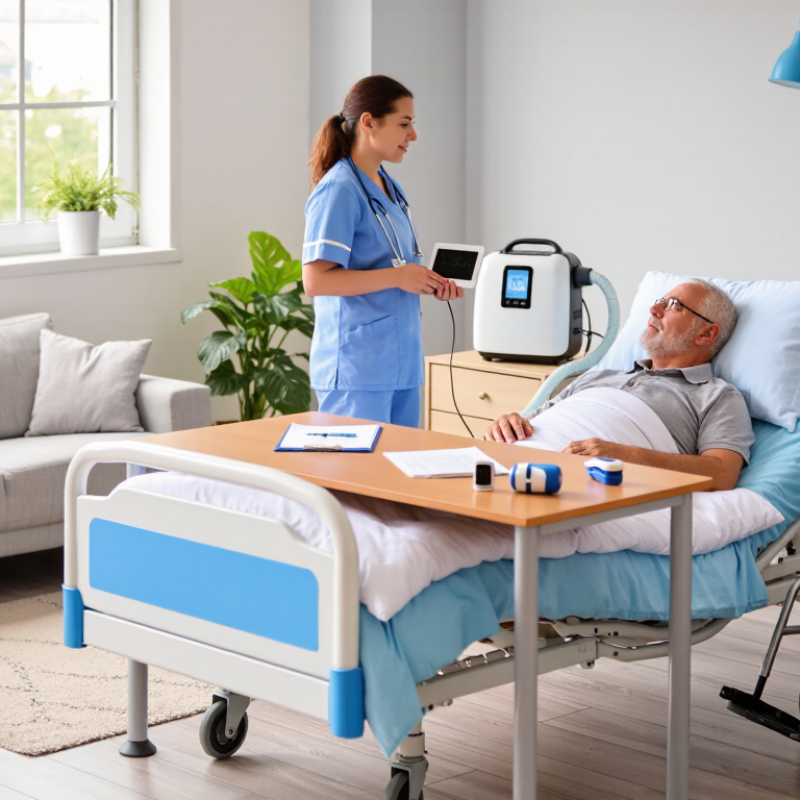
| Hospital Beds and Positioning |
Adjustable home-care beds, bed rails, overbed tables, pressure-redistribution mattresses |
Improves positioning, comfort, caregiver access, and pressure-injury prevention for people with limited mobility. |
Long-term home-care patients, people with significant mobility limitations, and individuals receiving palliative care. |
Safe working load, electric or manual adjustment, emergency lowering, mattress compatibility, rail safety, and cleaning requirements. |
Check room dimensions, power compatibility, delivery access, assembly support, and local servicing for mechanical or electrical components. |
| Bathroom and Daily-Living Safety |
Shower chairs, raised toilet seats, bath boards, grab bars, commode chairs |
Supports bathing, toileting, and transfers while helping reduce slips, falls, and caregiver strain. |
Older adults and people with balance, strength, or mobility limitations. |
Load capacity, corrosion resistance, non-slip surfaces, secure installation, adjustability, and compatibility with the bathroom layout. |
Installation conditions vary by building type and region. Buyers should confirm wall structure, drainage, humidity resistance, and local fitting practices. |
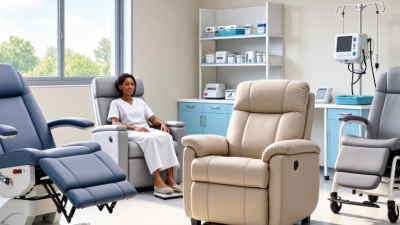
| Medication and Infusion Support |
Infusion pumps, syringe pumps, medication organizers, inhalation devices |
Helps deliver, organize, or administer medication according to a healthcare professional’s instructions. |
Patients receiving prescribed home infusion therapy or managing regular medication schedules. |
Flow accuracy, alarms, occlusion detection, battery performance, software controls, cleaning, and user training. |
Many infusion devices require professional assessment, prescription control, documented training, and reliable access to approved consumables. |
| Wound and Post-Surgical Care |
Negative-pressure wound therapy equipment, dressing supplies, compression products |
Supports wound management, fluid control, healing, and recovery after selected procedures. |
Patients with prescribed wound-care plans and people recovering after surgery or injury. |
Clinical suitability, secure seals, alarm visibility, skin compatibility, hygienic packaging, and consistent supply of disposable components. |
Purchasing should align with local clinical protocols, infection-control requirements, import rules, and dependable replenishment channels. |
| Rehabilitation and Physical Therapy |
Exercise pedals, therapy bands, balance aids, electrical stimulation devices |
Supports strength, range of motion, balance, functional recovery, and prescribed rehabilitation programs. |
People recovering from neurological, orthopedic, or musculoskeletal conditions. |
Adjustable resistance, safe operating limits, clear instructions, ergonomic design, and supervision requirements. |
Products should be selected according to a therapist’s plan. Training materials should use clear language and account for local literacy needs. |
| Communication and Sensory Support |
Hearing devices, communication aids, visual alert systems |
Improves communication, awareness of alarms, and participation in everyday activities. |
People with hearing, speech, vision, or communication difficulties. |
Usability, compatibility with home environments, battery life, maintenance, accessibility features, and user-specific fitting. |
Consider local language support, replacement battery availability, technical service capacity, and user training for caregivers. |
| Emergency and Caregiver Support |
Patient lifting equipment, emergency call systems, safety alarms |
Assists caregivers with transfers and enables users to request help during an emergency. |
People at risk of falls, individuals requiring assisted transfers, and caregivers providing continuous home support. |
Safe working load, emergency reliability, battery backup, alarm audibility, secure anchoring, and caregiver training. |
Assess network coverage, electricity backup, response procedures, installation quality, and the availability of local maintenance services. |
| Buyer principle: Home medical equipment should be selected according to the user’s clinical needs, home environment, caregiver capability, local regulations, maintenance resources, and total cost of ownership—not only the purchase price. |